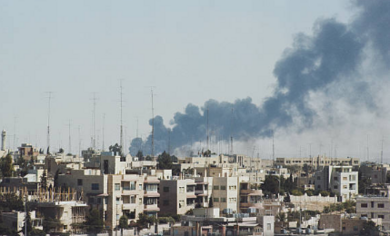
Conflict between Jordan and Palestinian militants during Black September uprising.
Jordan
Political
Geopolitics
3 min read
Updated By: History Editorial Network (HEN)
Published:
Updated:
The conflict between Jordan and Palestinian militants, known as the Black September event, was a significant chapter in the history of the region. The tensions stemmed from the presence of Palestinian refugee camps in Jordan following the Arab-Israeli conflict. The Palestinian militants, seeking to establish their own state, posed a challenge to the Jordanian government's authority. The situation escalated into a full-blown conflict as both sides engaged in violent confrontations.
The impact of the Black September conflict was profound, resulting in significant casualties and widespread destruction. The Jordanian government, under the leadership of King Hussein, launched military offensives to suppress the Palestinian resistance, leading to a destabilized region with long-lasting consequences. The conflict also had implications on the geopolitical landscape of the Middle East, as neighboring countries closely monitored the developments.
In the aftermath of the conflict, Jordan emerged as a more assertive player in regional politics, solidifying its position in the Arab world. The Black September event highlighted the complexities of the Israeli-Palestinian conflict and underscored the challenges of managing refugee populations in the region. The legacy of the conflict continues to resonate, shaping discussions around security, sovereignty, and the quest for peace in the Middle East.
#Jordan #PalestinianConflict #Geopolitics #MiddleEast #Refugees
Primary Reference
Black September - Wikipedia

Explore the Life Moments of
 AI Twin