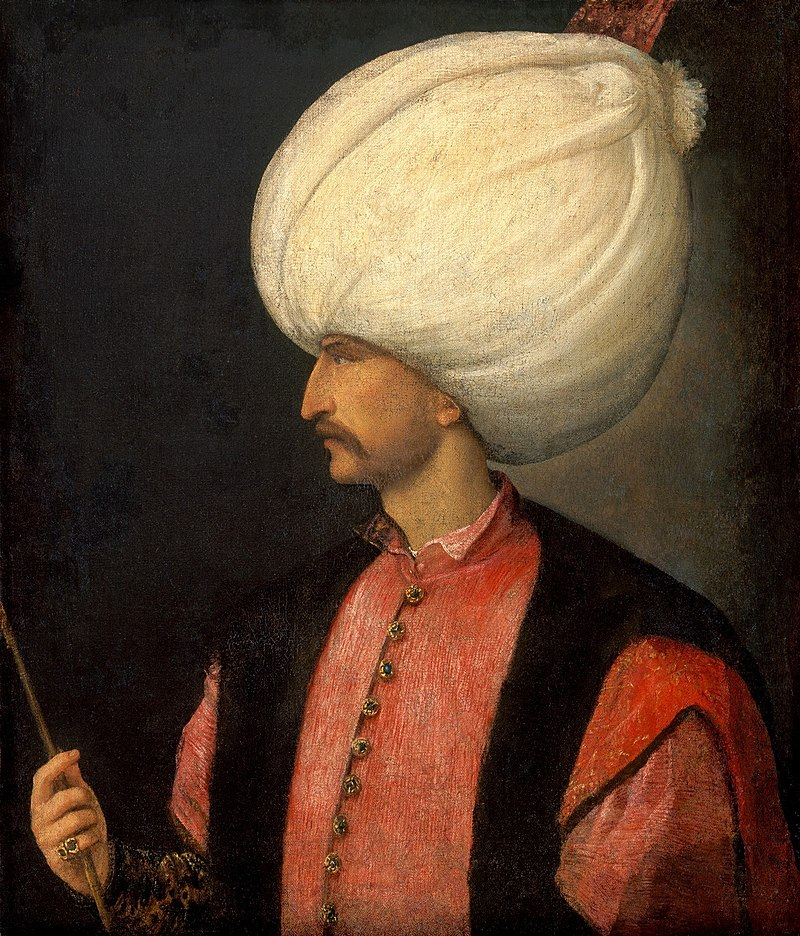
Jerusalem captured by Ottomans under Suleiman the Magnificent, a historic event in history.
Jordan
Impact
ReligiousSignificance
3 min read
Updated By: History Editorial Network (HEN)
Published:
In the early 16th century, the Ottomans, led by Suleiman the Magnificent, captured Jerusalem which was then under Mamluk control. The Ottoman Empire's conquest of this key city in the Levant marked a significant shift in power dynamics in the region.
The capture of Jerusalem by the Ottomans had far-reaching implications for the religious landscape as the city held immense significance for Christians, Muslims, and Jews. Suleiman's control over the holy sites in Jerusalem solidified the Ottoman Empire's influence over the religious affairs of the region.
Under Ottoman rule, Jerusalem experienced a period of significant architectural and infrastructural development, with the construction of several monuments and public works that still stand to this day. The Ottomans also implemented administrative reforms that reshaped the governance of the city.
The capture of Jerusalem by the Ottomans under Suleiman the Magnificent underscores the enduring geopolitical significance of the city and its ability to shape the course of history in the Middle East.
#OttomanEmpire #Jerusalem #SuleimanTheMagnificent #Levant #Geopolitics #HistoricalImpact #ReligiousSignificance #ArchitecturalDevelopment #MiddleEastHeritage
Primary Reference
Timeline for the History of Jerusalem (4500 BCE-Present)

Explore the Life Moments of
 AI Twin