
Jordan

Land of Ancient Wonders
Related Lives

Bolivia
The Heart of South America

Laos
Land of a Million Elephants

Ivory Coast
The Land of Tropical Beauties.

T20 WorldCup
Twenty 20 International

Brazil
The Land of Samba and Soccer

Hungary
Tales of the Danube

Botswana
The Heart of Southern Africa

Austria
The Land of Music and Mountains

1260
In the Jordan Valley, during the Mameluk era, a period of good rural development and sugar cane production was observed. The Mameluks, known for their agricultural advancements, implemented innovative techniques that revolutionized the sugar cane industry in the region. This led to increased productivity and economic prosperity for the local communities.
The Mameluks prioritized irrigation systems, introducing sophisticated methods that significantly boosted the growth of sugar cane crops. This not only met the local demand but also allowed for surplus production that could be traded in neighboring regions.
The impact of the Mameluks' efforts was profound, as the Jordan Valley became renowned for its high-quality sugar cane. This attracted merchants and traders from far and wide, stimulating commercial activities and enhancing the overall prosperity of the area. The thriving sugar cane industry also provided employment opportunities for many, further contributing to the socio-economic development of the region.
The legacy of the Mameluks' accomplishments in rural development and sugar cane production in the Jordan Valley continues to be felt to this day, shaping the agricultural landscape and economic activities of the region. Their innovative practices laid a solid foundation for sustainable agriculture and economic growth, leaving a lasting impact on the local communities.
#Mameluks #JordanValley #RuralDevelopment #SugarCaneProduction #AgriculturalAdvancements
View details1250
Following the downfall of the Ayyubid dynasty in the region, the Mamluk Sultanate took control of Jordan in 1250. The Mamluks, a military class of slave origins, seized power and established a sultanate that would endure for over two centuries. Known for their military prowess, the Mamluks brought stability to the region and actively defended it against external threats.
Under Mamluk rule, Jordan experienced a period of relative peace and economic prosperity. The sultanate implemented efficient administrative systems and fostered cultural and architectural developments. Trade flourished, with Jordan serving as a vital link between the East and West. The Mamluks also left a lasting impact on the region's art and architecture, seen in the construction of impressive mosques and fortifications that still stand today.
The Mamluk Sultanate's control over Jordan marked a significant chapter in the region's history, shaping its political and cultural landscape for years to come. Their legacy continues to be felt in modern-day Jordan, influencing its traditions, customs, and historical heritage.
#MamlukSultanate #JordanHistory #CulturalLegacy #MilitaryRule
View details1187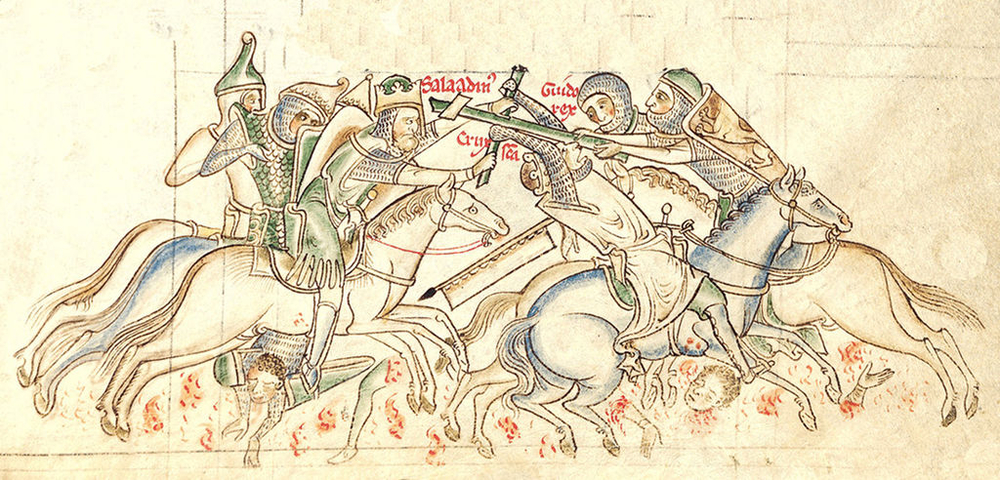
In the Battle of Hattin, Saladin, the Muslim military leader, emerged victorious over the Crusader forces commanded by King Guy of Jerusalem. This clash was a pivotal moment in the history of the Crusades, leading to the eventual collapse of the Crusader Kingdom of Jerusalem. Saladin's forces employed strategic military tactics, including cutting off the Crusaders' access to water sources during the scorching summer heat, weakening their morale and combat effectiveness.
Following Saladin's triumph at Hattin, the city of Jerusalem fell to his forces, marking the end of Christian control over the holy city. The decisive defeat also resulted in the capture of many prominent Crusader leaders, including King Guy. This event shifted the power dynamics in the region, consolidating Saladin's influence and setting the stage for the eventual reconquest of Jerusalem by Muslim forces.
The Battle of Hattin exemplifies the intense religious and territorial conflicts that characterized the Crusades. It serves as a stark reminder of the shifting fortunes and the high stakes involved in medieval warfare in the Holy Land. The legacy of this clash endures in the collective memory and historical narratives of Jordan and the wider region. #Crusades #Saladin #MedievalWarfare #Jerusalem #HattinBattle #JordanHhistory
View details1184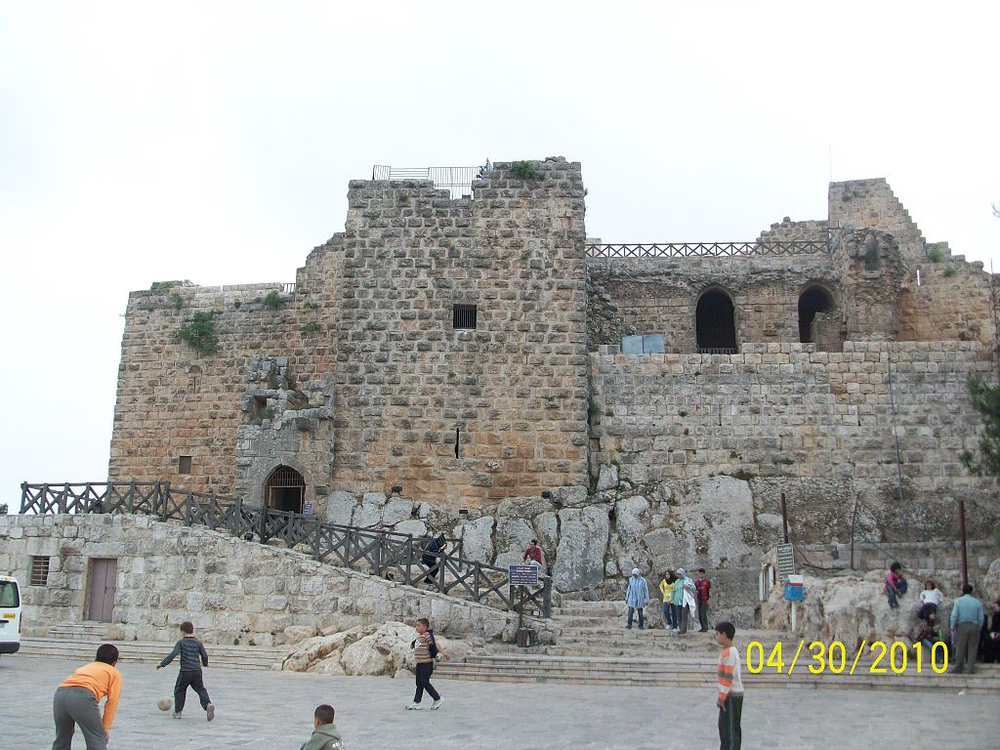
Strategically positioned in northern Jordan, the Ajlun Castle was constructed by the Ayyubids in 1184 to dominate and control the surrounding trade routes. This fortress served as a crucial stronghold against invasions and facilitated surveillance over the region. Its location on a hilltop provided a vantage point for monitoring movements and ensuring the safety of the trade caravans passing through.
The Ajlun Castle played a significant role in safeguarding the interests of the Ayyubids and asserting their authority in the area. With its sturdy fortifications and strategic layout, the castle served as a symbol of power and deterrence. Its existence was a testament to the military prowess and strategic acumen of the Ayyubid dynasty.
Moreover, the construction of the Ajlun Castle had a lasting impact on the region, influencing the political and economic dynamics of the area. It facilitated the control of trade routes, enabling the Ayyubids to exercise authority and extract resources from the trade activities passing through the region.
The Ajlun Castle stands as a reminder of the historical significance of the Ayyubid era and the strategic importance of fortifications in maintaining control over key territories. It remains a popular tourist destination, attracting visitors interested in exploring Jordan's rich history and architectural heritage.
#AjlunCastle #Ayyubids #TradeRoutes #JordanHistory
View details1142
In 1142, Baldwin I of Jerusalem led the capture of Kerak, a pivotal event during the Crusades in the region. Kerak, a fortress located strategically in present-day Jordan, posed a threat to the Kingdom of Jerusalem.
With its commanding position overlooking key trade routes, Kerak served as a stronghold for the Muslim forces, disrupting trade and posing a security risk. Baldwin I's successful capture of Kerak significantly weakened Muslim resistance and strengthened the Kingdom of Jerusalem's control over the region.
The fall of Kerak to Baldwin I marked a turning point in the Crusades, consolidating Christian control in the region and securing key territories. The capture of Kerak not only expanded the Kingdom of Jerusalem but also increased Baldwin I's reputation as a skilled military leader.
This event highlights the strategic importance of fortresses in medieval warfare and the fierce competition for control over key territories during the Crusades. The capture of Kerak by Baldwin I underscores the complex dynamics of power, politics, and warfare in the region during this period.
#BaldwinI #CaptureofKerak #Jerusalem #Crusades #Jordan #Fortress #MedievalWarfare #MilitaryHistory
View details1116
Aqaba, a strategically significant city, was captured by the crusaders under the leadership of Baldwin I of Jerusalem. This conquest played a vital role in consolidating the influence of the Crusader States in the region. Aqaba's control provided the crusaders with a key stronghold along the Red Sea coast, bolstering their defensive and offensive capabilities in the area.
The capture of Aqaba allowed the crusaders to establish a secure maritime route for trading and military expeditions. It also served as a base for further expansion and facilitated communication between the Crusader States and Europe. Additionally, this victory weakened the grip of the Fatimid Caliphate in the region, shifting the balance of power in favor of the crusaders.
Baldwin I's successful siege of Aqaba showcased the military prowess and strategic acumen of the Crusaders, further solidifying their presence in the Levant. The capture of Aqaba paved the way for future Crusader campaigns and laid the foundation for their enduring presence in the region.
#Aqaba #BaldwinI #Crusaders #Jordan #Conquest #StrategicImportance #MedievalHistory
View details1115
The Siege of Shaubak was a pivotal event during the rule of Baldwin I of Jerusalem. Shaubak, a fortress strategically located in present-day Jordan, was a key stronghold that Baldwin sought to capture to solidify his control over the region. The fortress was well-fortified and provided a strong defense for its occupants.
Baldwin I, known for his military prowess, led the siege on Shaubak with determination. His forces encircled the fortress, cutting off supply routes and launching repeated attacks to weaken the defenses. The siege was intense and prolonged, with both sides sustaining significant losses.
After a relentless campaign, Baldwin I's forces breached the defenses of Shaubak, leading to the surrender of the fortress. The fall of Shaubak was a significant victory for Baldwin I, further establishing his power in the region and expanding the territory under his control.
The Siege of Shaubak by Baldwin I of Jerusalem exemplified his strategic military leadership and determination to consolidate his rule. The event underscored the importance of fortifications in medieval warfare and showcased Baldwin I's ability to overcome formidable obstacles to achieve his objectives.
#BaldwinI #SiegeofShaubak #JordanHistory #MedievalWarfare
View details0312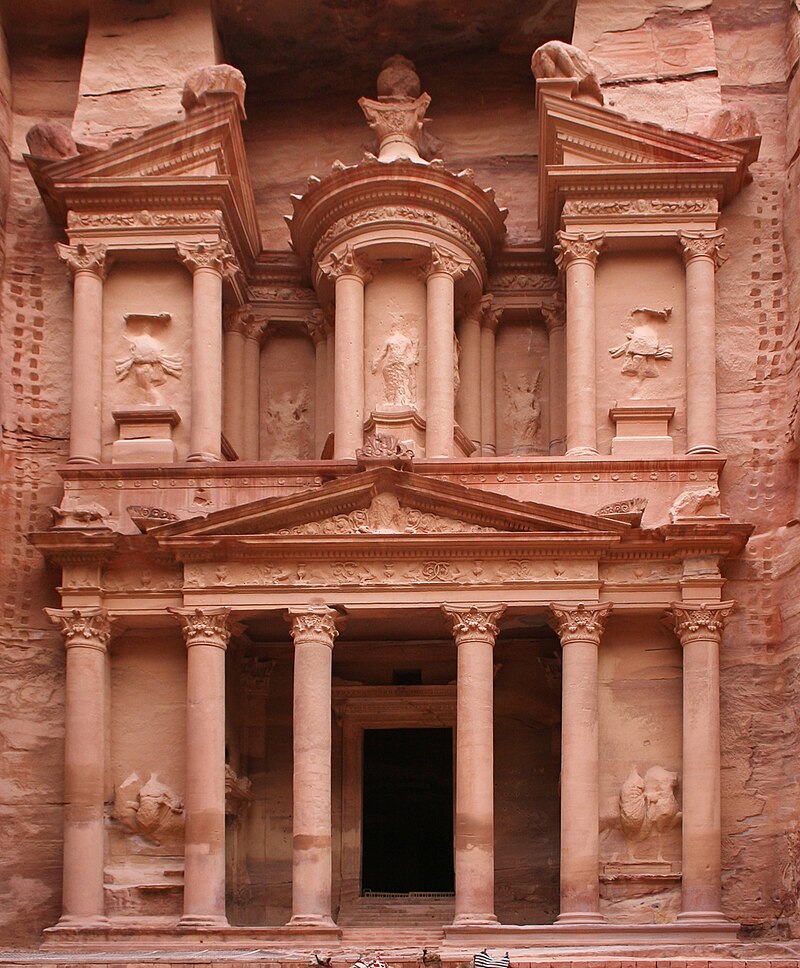
The establishment of Petra as the capital of the Nabataean Kingdom was a pivotal moment in history. Situated at the crossroads of important trade routes, Petra grew into a flourishing city known for its impressive rock-cut architecture and advanced water management systems. The Nabataeans, skilled merchants, and craftsmen, utilized Petra's strategic location to amass wealth and power.
The shift of the Nabataean capital to Petra brought about significant economic growth and cultural development. The city became a center of trade, connecting the Arabian Peninsula, Egypt, Syria, and the Mediterranean world. The Nabataeans' control over trade routes allowed them to prosper, leading to the construction of elaborate tombs, temples, and theaters in Petra.
The establishment of Petra as the capital solidified the Nabataean Kingdom's influence in the region for centuries to come. The city's unique blend of Hellenistic, Egyptian, and Eastern architectural styles reflected the kingdom's cosmopolitan nature and served as a symbol of their prosperity and power.
Today, Petra stands as a UNESCO World Heritage Site and a testament to the once-thriving Nabataean civilization. The city's rock-cut structures, including the iconic Treasury (Al-Khazneh) and Monastery (Ad Deir), continue to attract visitors from around the world, showcasing the enduring legacy of the Nabataean Kingdom.
#Petra #NabataeanKingdom #TradeRoutes #CulturalHeritage #UNESCOWorldHeritageSite
View details0106
In AD 106, the Roman Empire annexed the Nabataean Kingdom, incorporating present-day Jordan into the province of Arabia Petraea. The Nabataeans were renowned for their water management and rock-cut architecture, notably seen in the iconic city of Petra. This strategic move by the Romans aimed to control trade routes, particularly the lucrative incense and spice trade.
The annexation brought stability and Roman influence to the region, leading to the construction of roads, fortresses, and urban centers. The Nabataean culture blended with Roman customs, architecture, and governance, shaping the cultural landscape of Jordan. The integration into Arabia Petraea enhanced security, facilitated administration, and boosted economic development.
Jordan became a vital crossroads in the Roman Empire, linking Arabia, Egypt, and Syria. The Romans maintained control through military presence and brought new technologies and infrastructure, transforming the region. This event marked a significant shift in power dynamics and cultural exchange, laying the foundation for Jordan's rich history and heritage.
#RomanEmpire #NabataeanKingdom #ArabiaPetraea #CulturalExchange #TradeRoutes #JordanHistory
View details