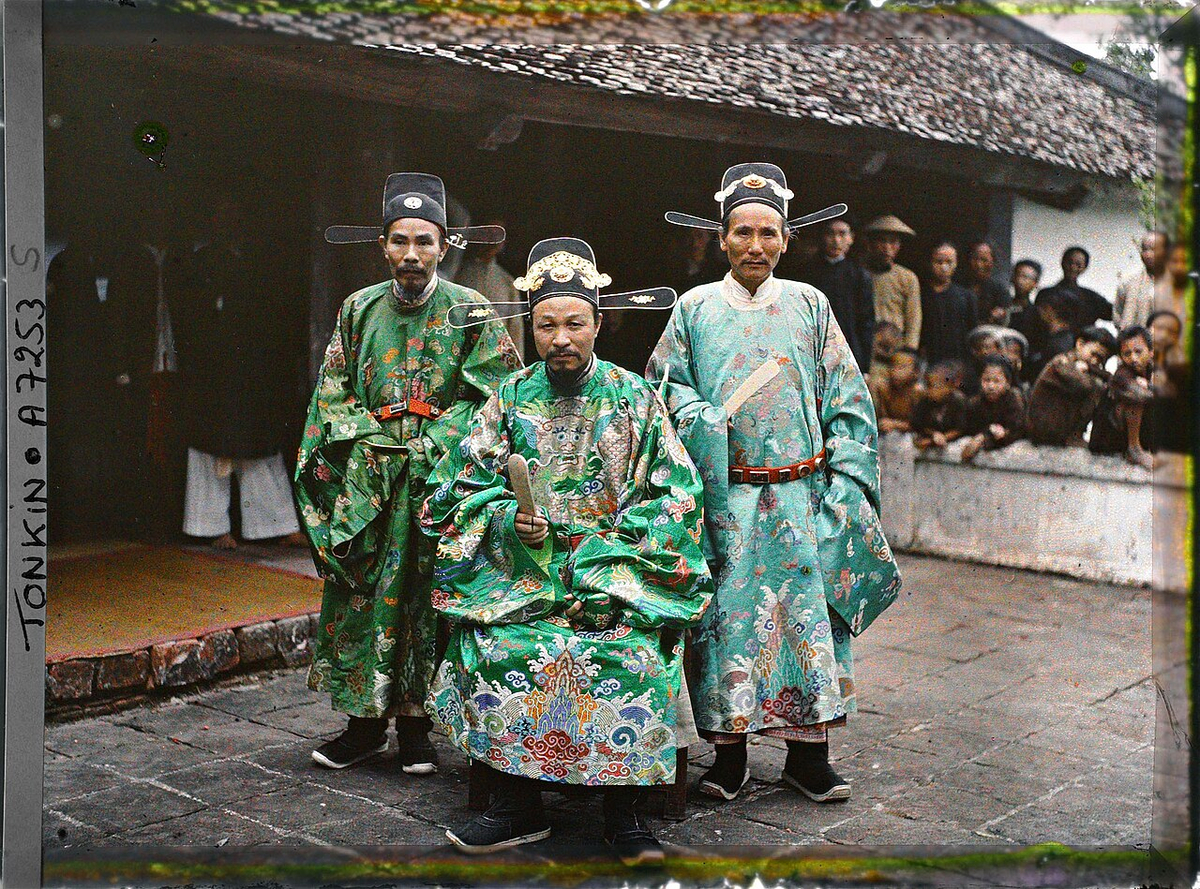
Văn Miếu Vietnam's First National University Symbol of Education and Cultural Heritage
Vietnam
Education
4 min read
Updated By: History Editorial Network (HEN)
Published:
In 1070, Ly Thai Tong, the emperor of the Ly Dynasty in Vietnam, established the Văn Miếu, also known as the Temple of Literature. This prestigious institution was built to honor Confucius, scholars, and literary achievements. The Văn Miếu was the first national university in Vietnam, playing a crucial role in shaping the country's intellectual and cultural life.
The establishment of the Văn Miếu marked a significant milestone in Vietnamese history, showcasing the importance of education and scholarly pursuits in society. It became a center for learning, where scholars studied Confucian classics and took part in academic competitions. This academic hub fostered a culture of reverence for knowledge and academic excellence, influencing generations of scholars and students.
The Văn Miếu's architecture, with its traditional Vietnamese design and layout, reflects the reverence for learning and intellect. The five courtyards, imposing gates, and well-preserved stelae inscribed with the names of scholars added to the grandeur of the institution. The Văn Miếu served as a symbol of Vietnam's commitment to education and intellectual growth.
Throughout its existence, the Văn Miếu has undergone several expansions and renovations, maintaining its significance as a cultural and educational landmark. Today, it stands as a reminder of Vietnam's rich scholarly heritage and continues to inspire students and intellectuals.
The establishment of the Văn Miếu by Ly Thai Tong left a lasting legacy on Vietnamese society, emphasizing the value of education and knowledge. It remains a revered institution, symbolizing the country's intellectual achievements and cultural identity. #VănMiếu #TempleOfLiterature #LyThaiTong #VietnameseHistory #ScholarlyHeritage

Explore the Life Moments of
 AI Twin