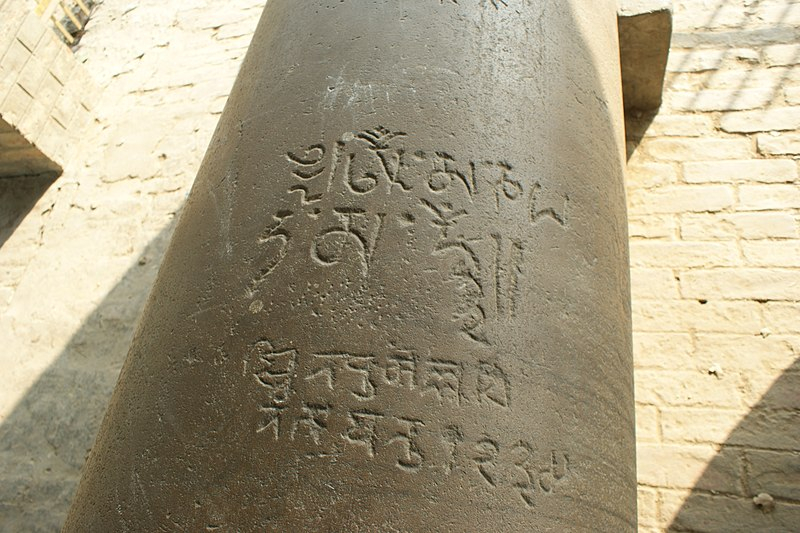
King Ripumalla's Coronation: A New Reign Begins
Nepal

Political
6 min read
Updated By: History Editorial Network (HEN)
Published:
King Ripumalla's ascension to the throne in Nepal marked a pivotal transition in the region's complex history of power relations and territorial control. Before Ripumalla, the Kathmandu Valley and its surrounding areas were ruled by a network of fragmented principalities and small kingdoms, each vying for dominance. The Licchavi dynasty had set significant precedents in governance and cultural development, but their influence had waned, leaving a power vacuum.
As Ripumalla came to power, he inherited a kingdom grappling with internal strife and external threats. The geopolitical landscape was marked by frequent conflicts with neighboring states and tribal communities. His rise to kingship was characterized by efforts to consolidate power and bring stability to the region. He undertook significant military campaigns to secure and expand his kingdom’s borders, reflecting the prevalent trend of territorial expansion amongst South Asian monarchies.
Ripumalla’s ascension also brought about administrative reforms designed to enhance the centralization of power. He initiated the codification of laws, aiming for a more structured legal framework to govern his subjects. These reforms were instrumental in fostering a semblance of order and predictability in governance, which was necessary for the nascent kingdom seeking stability.
Economically, his reign focused on enhancing trade routes and fortifying the economic foundations of his kingdom. The strategic position of Nepal along the trade routes between Tibet, India, and China provided ample opportunities for economic diplomacy and the accrual of wealth. Under Ripumalla's oversight, agricultural improvements and the promotion of local crafts helped in stimulating economic growth.
Culturally, Ripumalla’s reign saw the promotion of arts and architecture, which had religious and social significance. Temples and inscriptions from his period highlight the influence of Hinduism and Buddhism, sometimes reflecting syncretic traditions. These cultural efforts were partly driven by the desire to legitimize his rule and demonstrate power through monumental architecture and patronage of religious institutions.
In conclusion, King Ripumalla's rise to the throne signified a crucial juncture in Nepal's history, laying down foundational elements for the future trajectory of the region. His reign focused on bolstering military strength, centralizing administrative controls, stimulating the economy, and nurturing cultural developments.
#MoofLife #NepalHistory #KingRipumalla #DynasticRule #GeopoliticalShift #CulturalPatronage #AdministrativeReforms #EconomicExpansion

Explore the Life Moments of
 AI Twin