Hussite Wars: Conflict between Hussites and Catholics
Czech Republic
Religion
3 min read
Updated By: History Editorial Network (HEN)
Published:
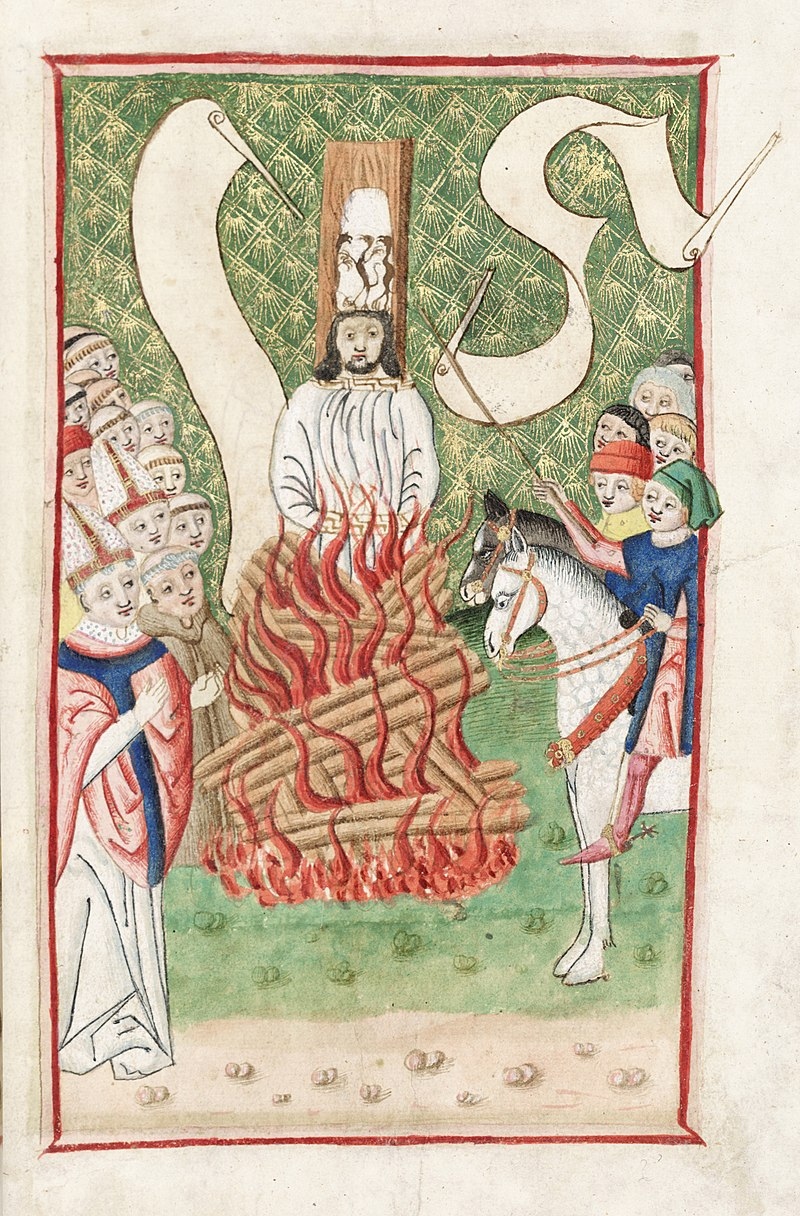
The Hussite Wars commenced in 1419 in the Czech lands, primarily fueled by religious tensions between the followers of Jan Hus and the Catholic Church. Jan Hus, a Czech reformer challenging the Church's practices, was executed in 1415. His supporters, known as Hussites, rebelled against the Catholic hierarchy, seeking religious reforms and greater autonomy.
The conflict escalated as the Hussites, under leaders like Jan Žižka, employed guerrilla warfare tactics to resist the Catholic forces. Battles like the famous Battle of Vítkov Hill in Prague showcased the Hussites' military prowess. Despite facing multiple crusades sanctioned by the Church, the Hussites effectively defended their beliefs and territory.
The Hussite Wars had a profound impact on Czech society, shaping its religious landscape and political future. The conflicts led to the fragmentation of Czech lands, with different factions within the Hussite movement vying for power. The wars also inspired religious reform movements across Europe, influencing the Protestant Reformation in the following centuries.
Today, the legacy of the Hussite Wars is remembered in Czech history as a period of intense religious and political upheaval, highlighting the struggle for religious freedom and national identity.
#HussiteWars #CzechRepublic #ReligiousConflict #JanHus #HistoricalLegacy

Explore the Life Moments of
 AI Twin