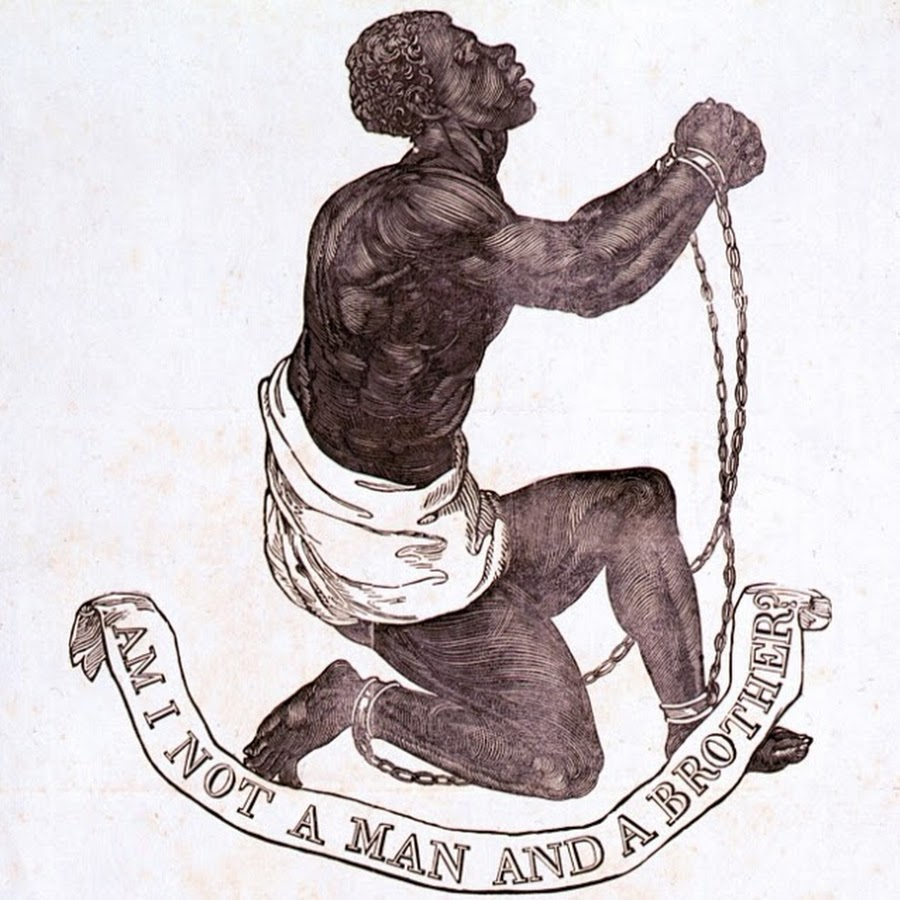
Impact of British Parliament's abolition on Cape Verde.
Cape Verde
Social/Cultural.
3 min read
Updated By: History Editorial Network (HEN)
Published:
Updated:
The abolition of the transatlantic slave trade by the British Parliament marked a turning point for Cape Verde. Situated strategically along the slave trade route, Cape Verde had been a hub for the trafficking of enslaved Africans. With the British prohibition of this trade, Cape Verde's economy suffered a significant blow as the trade had been a vital source of income for the islands.
Following the abolition, Cape Verde experienced a shift in its economic structure. The trade of goods such as salt, bananas, and coffee became more prominent, leading to the development of new industries and trade partnerships. The island's role in the slave trade diminished, and efforts were made to combat smuggling operations.
This event not only had economic repercussions but also ignited social and cultural changes. The population of Cape Verde became more diverse as freed and rescued slaves settled on the islands. This influx of new inhabitants enriched the cultural fabric of Cape Verde and contributed to the country's unique identity.
Today, Cape Verde honors its history by commemorating the abolition of the transatlantic slave trade. The event serves as a reminder of the atrocities of slavery and the resilience of those who fought against it. #CapeVerde #AbolitionOfSlavery #BritishParliament #TransatlanticSlaveTrade
Primary Reference
Cabo Verde | South African History Online

Explore the Life Moments of
 AI Twin