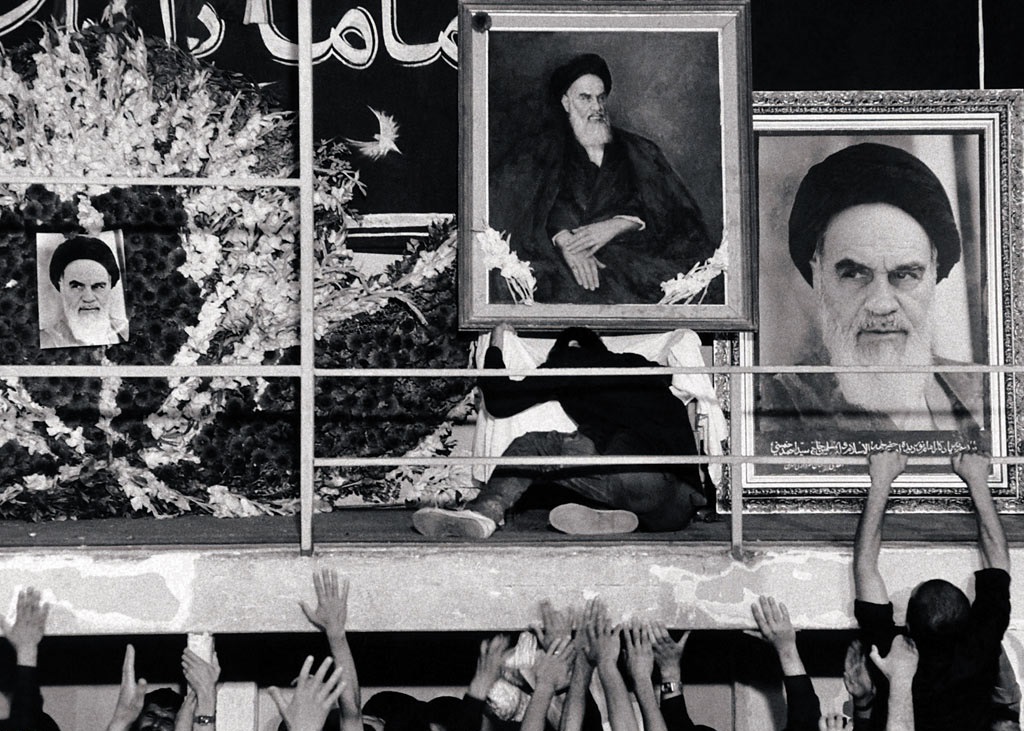
Ayatollah Ruhollah Khomeini's Passing
Political
3 min read
Updated By: History Editorial Network (HEN)
Published:
Ayatollah Ruhollah Khomeini, the influential leader behind the establishment of the Islamic Republic of Iran, passed away after a period of declining health. Khomeini rose to power in 1979 following the Iranian Revolution, marking a significant shift in the country's governance towards an Islamic state. His leadership was characterized by strict adherence to Shia Islam and anti-Western sentiments, which shaped Iran's domestic and foreign policies.
The death of Khomeini had a profound impact on Iran and the wider Middle East region. It raised concerns about the future direction of the Islamic Republic and sparked a period of mourning among his supporters. The succession of power was a critical issue, as Khomeini held immense authority and charisma that was not easily replaceable.
In the aftermath of Khomeini's death, Ayatollah Ali Khamenei succeeded him as the Supreme Leader of Iran, a position he continues to hold today. Khamenei's leadership has maintained the Islamic Republic's political system and revolutionary ideals, while facing challenges from within and abroad.
The legacy of Ayatollah Ruhollah Khomeini continues to shape Iran's political landscape and its relations with other countries. His vision of an Islamic government remains a central pillar of the Iranian regime, influencing policies on issues such as human rights, regional conflicts, and nuclear proliferation.
#AyatollahKhomeini #IslamicRepublic #IranianRevolution #MiddleEastPolitics
Primary Reference
Ruhollah Khomeini - Wikipedia

Explore the Life Moments of
 AI Twin