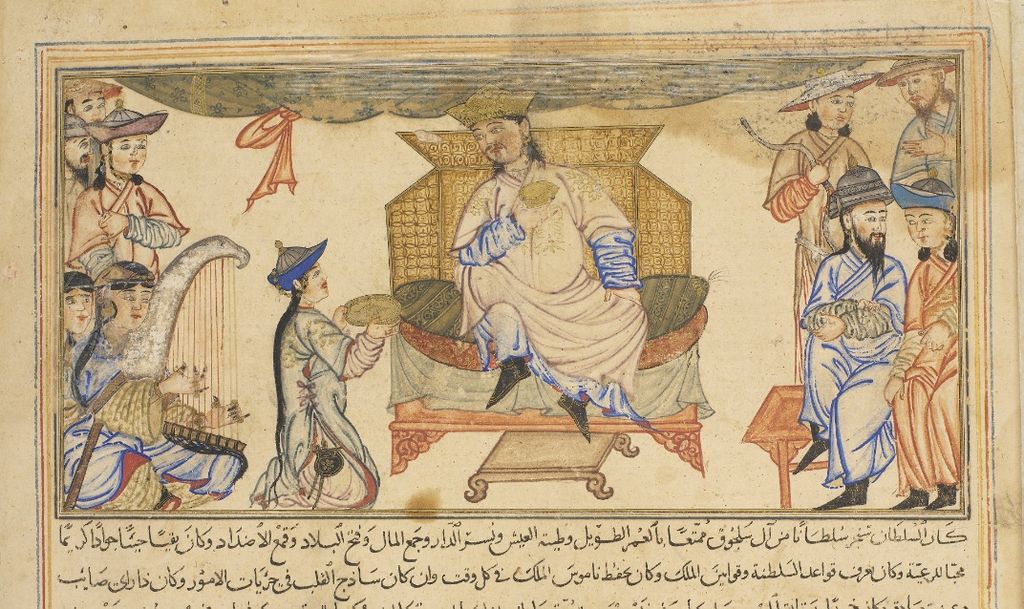
Assassination of Sultan Ahmad Sanjar
Political
4 min read
Updated By: History Editorial Network (HEN)
Published:
Sultan Ahmad Sanjar, a prominent ruler of the Seljuk Empire, faced a tragic fate when he was assassinated. His reign marked a period of stability and prosperity in the region known for its advancements in architecture, arts, and literature. Sanjar was known for his military prowess and diplomatic skills, managing to maintain good relations with neighboring states.
The assassination of Sultan Ahmad Sanjar had a profound impact on the political landscape of the Seljuk Empire, leading to a power struggle among rival factions vying for control. The empire faced internal turmoil and external threats as a result of this sudden power vacuum. The Sultan's death left a void that was not easily filled, leading to a period of instability and uncertainty.
Despite his death, Sultan Ahmad Sanjar's legacy lived on through the cultural achievements of his reign. His patronage of art and literature continued to influence the region long after his assassination. The Seljuk Empire eventually fragmented, with his death marking the beginning of its gradual decline.
The assassination of Sultan Ahmad Sanjar serves as a reminder of the fragile nature of power and the complex dynamics of politics in the medieval world. It is a cautionary tale of the dangers that a ruler faces in a volatile and unpredictable environment. The event underscores the importance of strong leadership and strategic alliances in maintaining stability and security in a region prone to conflict.
#SeljukEmpire #PoliticalIntrigue #LegacyOfSanjar #IranianHistory
Primary Reference
Ahmad Sanjar - Wikipedia

Explore the Life Moments of
 AI Twin