Samanid Dynasty in Transoxiana

Cultural
4 min read
Updated By: History Editorial Network (HEN)
Published:
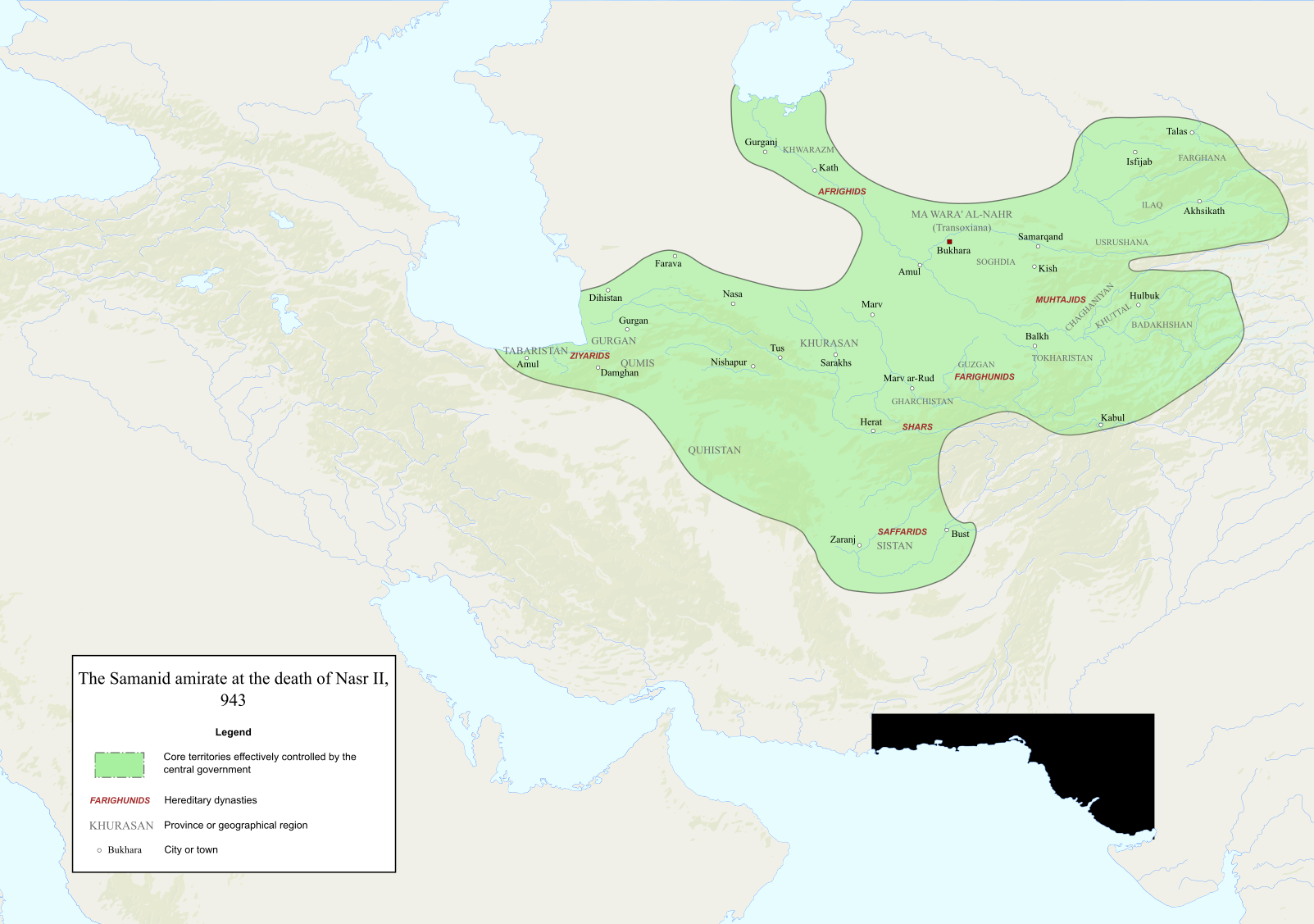
In the 9th century, the Samanid dynasty emerged in Iran and Transoxiana. It was established by Saman Khuda, a powerful noble from Balkh. The Samanids played a crucial role in the region's political and cultural landscape. They were known for their patronage of arts and learning, fostering a vibrant intellectual and artistic environment.
Under the Samanids, Persian literature and culture flourished, with poets like Rudaki and Ferdowsi creating enduring works. The dynasty also promoted Islamic scholarship, contributing to advancements in various fields such as mathematics, astronomy, and medicine.
The Samanids faced external threats from the Abbasid Caliphate and the Turkic tribes, but they managed to maintain their independence and expand their influence. They established stable governance, fostering trade and prosperity in their territories.
The legacy of the Samanid dynasty endured beyond their eventual fall in the 10th century. Their promotion of Persian language and culture laid the foundation for the subsequent Persianate civilizations in the region. Their impact on the development of Islamic art and architecture can be seen in the surviving monuments such as the mausoleum of Ismail Samani in Bukhara.
The Samanid dynasty's founding marked a significant period of cultural and intellectual growth in Iran and Transoxiana, leaving a lasting imprint on the region's history. Their rule set the stage for the rise of subsequent Persian dynasties and contributed to the rich tapestry of Islamic civilization.
#SamanidDynasty #IranianHistory #CulturalPatronage #HistoricalLegacy
Primary Reference
History of Islam - Wikipedia

Explore the Life Moments of
 AI Twin