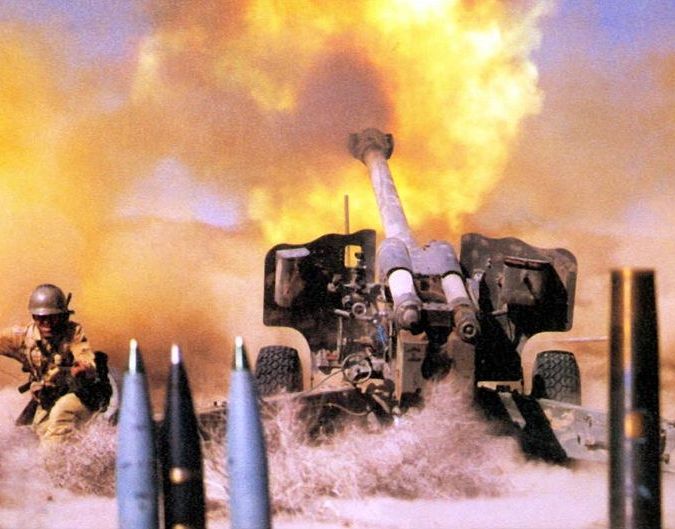
The 8-year Iran-Iraq War causes high casualties.
Political
Conflict
4 min read
Updated By: History Editorial Network (HEN)
Published:
The Iran-Iraq War started, leading to an 8-year conflict and causing immense human loss. The root of the war stemmed from territorial disputes, political tensions, and conflicting ideologies. Iraq's invasion of Iran aimed to capitalize on the Iranian Revolution's aftermath and weaken the new Iranian government. The war also had a religious dimension, with Iraq seeking to exploit religious fault lines in Iran.
During the conflict, both countries faced significant casualties, estimated in the hundreds of thousands. The war turned into a brutal stalemate with trench warfare, extensive human wave attacks, and the use of chemical weapons. The international community struggled to mediate and end the conflict due to geopolitical complexities and vested interests.
The Iran-Iraq War had a profound impact on the region, leading to economic devastation, social upheaval, and long-lasting trauma for the populations involved. The conflict reshaped the balance of power in the Middle East, with implications that are still felt today. It tested the resilience of both countries and revealed the limitations of military solutions in resolving complex political disputes.
As the war dragged on, it became increasingly unpopular among the citizens of both Iran and Iraq. The human cost of the conflict, combined with its strategic stalemate, eventually led to a ceasefire in which neither side could claim outright victory. The Iran-Iraq War remains a somber reminder of the consequences of unchecked aggression and the horrors of modern warfare.
#Iran #Iraq #War #Casualties #Geopolitics #Conflict #MiddleEast #HumanCost #Ceasefire #Legacy
Primary Reference
Iran-Iraq War | Causes, Summary, Casualties, & Facts | Britannica

Explore the Life Moments of
 AI Twin