Bolivia

The Heart of South America
About
#SouthAmerica
#Bolivia
#Andes
Life Classification
Country
Life ID
EL4948476107403
Verified Name
bolivia
Life Type
Entity Life
Life Editor(s)
History Editorial Network (HEN)
Life Privacy
Public
Subscription
Elite
Created On
2024-07-09
Updated On
2025-12-19
Connect
Related Lives

Taiwan
The Heart of Asia

Pakistan
Pakistan Zindabad

History of Medicine
Medicine Through Time

Mali
The Eyes of Africa
Russia
The Slavic Giant


United Kingdom
Great Britain

Armenia
Gateway to Ancient Traditions and Scenic Beauty

2026
On 17/09/2026, Leopardus tilcayo, a wild cat native to Bolivia, was reported as the first new feline species formally identified since 1923. The discovery drew attention to the diversity of small wild cats in South America, particularly within the genus Leopardus, which includes the ocelot, margay and several species of tiger cats. The announcement concerned the scientific recognition of a distinct feline species rather than the first observation of an entirely unknown animal in the wild.
Researchers led by Bolivian biologist Paola Nogales-Ascarrunz examined genetic data from 38 tiger cats across South America and identified five distinct species. The tilcayo measures approximately 46 centimetres in body length and weighs about 1.4 kilograms. Its light-brown coat features irregular dark rosettes. One known individual lives at Bolivia's Senda Verde Wildlife Sanctuary. Genetic evidence suggests the species diverged from related cats approximately 1.4 million years ago. The findings were published in Current Biology.
Scientific Significance: The discovery demonstrates that genetically distinct mammals can remain unrecognized even within well-studied animal families. It also provides a basis for assessing the tilcayo's conservation needs in Bolivia's threatened Yungas forests.
View details2025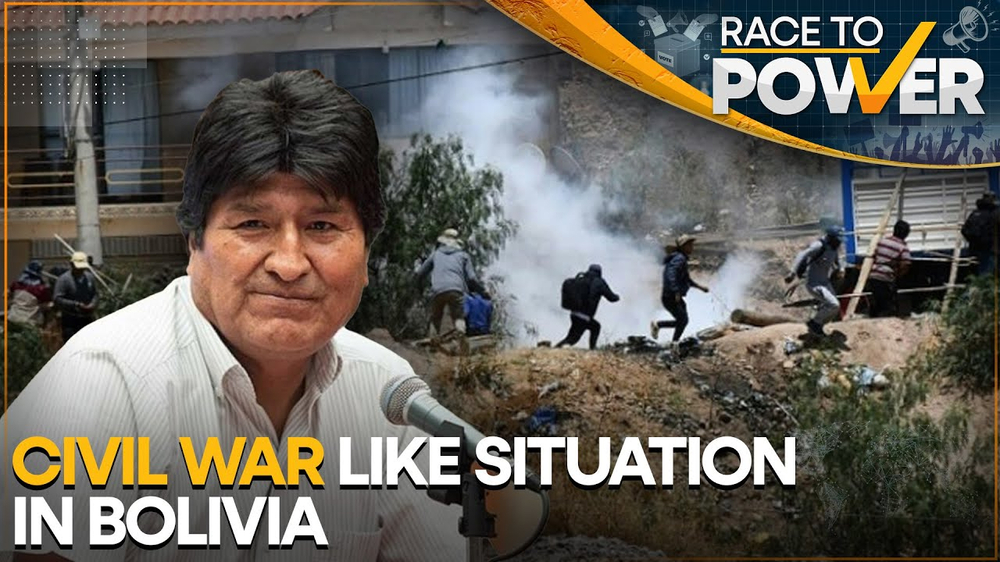
In a seismic jolt to Bolivia's fractured political landscape, a judge in Tarija ordered the arrest of former President Evo Morales on January 17, 2025, after he twice defied court summons in a reopened investigation into alleged statutory rape and human trafficking involving a minor. The 65-year-old populist icon, who ruled from 2006 to 2019, is accused of fathering a child in 2016 with a then-15-year-old girl—a relationship constituting statutory rape under Bolivian law—amid claims of exploiting political favors for access.
Hoiled up in his Chapare coca stronghold behind loyalist cordons, Morales decried the warrant as "lawfare" orchestrated by rival President Luis Arce to derail his 2025 comeback bid within the splintered MAS party. Supporters, invoking past roadblocks that crippled the economy, vow fierce resistance, while women's groups outside court brandished signs demanding justice for victims.
Proponents of the probe hail it as overdue accountability for power abuses, spotlighting Bolivia's statutory rape loopholes. Critics, including Morales' camp, frame it as vendetta in a bitter succession war, echoing shelved 2020 accusations. As asset freezes and exit bans tighten, this standoff risks igniting fresh unrest, testing institutional fragility in a nation grappling with economic woes and polarized Indigenous-leftist legacies.
View details2024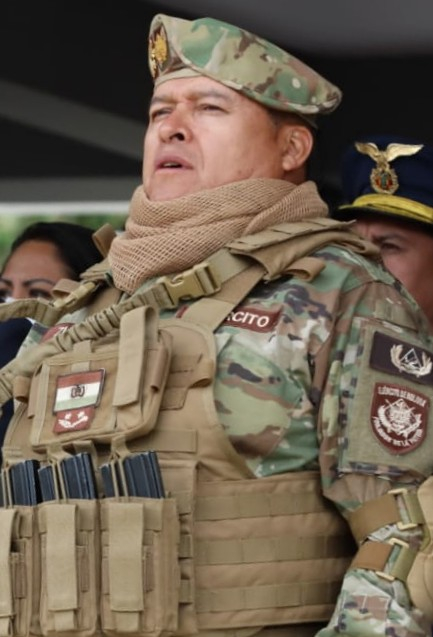
In the early hours of June 26th, a failed coup attempt unfolded in La Paz, Bolivia, led by Juan José Zúñiga. Zúñiga, a former military officer and a controversial political figure, attempted to seize control of the government through a coordinated effort. The coup was planned to coincide with a period of political unrest marked by widespread dissatisfaction with the current administration.
The attempt began with a small group of armed insurgents who infiltrated key government buildings in La Paz, including the Presidential Palace and the headquarters of the Bolivian Armed Forces. The insurgents aimed to detain high-ranking officials and declare a new government under Zúñiga's leadership. However, the plot was quickly thwarted by loyalist forces who were alerted by intelligence reports.
The government's rapid response, led by the Bolivian Armed Forces and police units, resulted in the arrest of Zúñiga and his key supporters within hours of the coup's initiation. Clashes between the insurgents and loyalist forces led to minor casualties, with official reports indicating three deaths and several injuries among both civilians and military personnel.
The ramifications of the coup attempt were immediate and significant. The Bolivian government declared a state of emergency, implementing curfews and heightened security measures throughout the nation. The failed coup also led to a crackdown on suspected conspirators and increased surveillance on potential dissident groups. Public reactions were mixed; while some feared further political instability, others saw the swift quelling of the coup as a testament to the government's resilience and the strength of its institutions.
International reactions varied as well. Neighboring countries and global powers expressed concern over the attempted coup, with many emphasizing the importance of maintaining democratic processes. Economic markets experienced short-term fluctuations as investors reacted to the political uncertainties.
The failed coup's exposure illuminated underlying issues within Bolivia, such as political fragmentation and public distrust in government. This event highlighted the importance of addressing these systemic issues to ensure long-term political stability.
#FailedCoup #LaPaz #JuanJoseZuniga #Bolivia #PoliticalUnrest #MoofLife
View details2018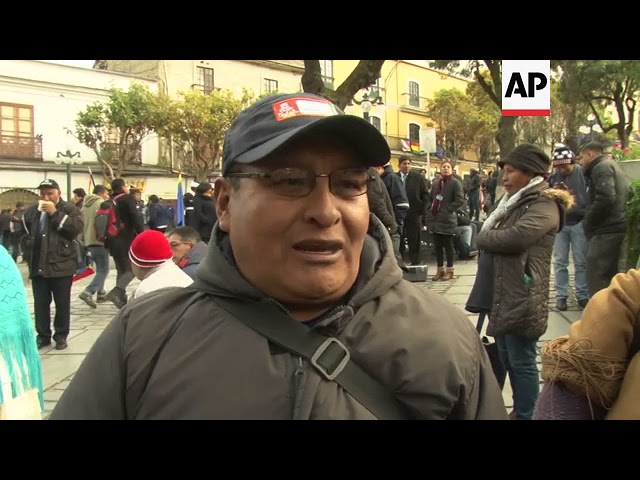
Bolivia won a United Nations court ruling granting it access to the Pacific Ocean. The dispute between Bolivia and Chile dated back to the 19th century when Bolivia lost its coastal territory to Chile. The decision declared that Chile had an obligation to negotiate with Bolivia in good faith regarding access to the sea.
The ruling marked a significant step for Bolivia, as regaining access to the Pacific Ocean had been a long-standing goal for the landlocked country. The decision provided Bolivia with a legal basis to continue diplomatic efforts to secure access to the sea.
The event sparked hope among Bolivians and was seen as a victory for their country's sovereignty and territorial integrity. It also reignited discussions about landlocked countries' rights to access the sea.
Overall, the UN court ruling was a crucial development in the historical dispute between Bolivia and Chile over access to the Pacific Ocean, opening up possibilities for further negotiations and potential resolution.
#Bolivia #UNCourtRuling #PacificOceanAccess #HistoricalDispute #Diplomacy
View details2009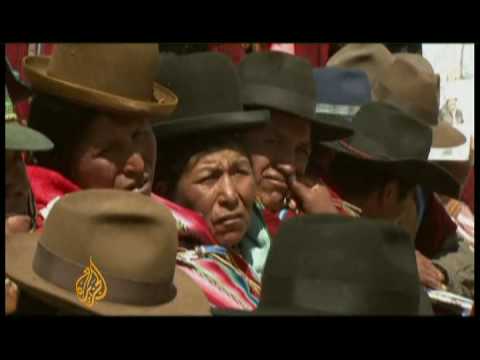
In Bolivia, a new constitution was approved following a nationwide referendum. The event was a culmination of efforts to address social and political inequalities that have long plagued the country. The new constitution aimed to empower indigenous communities, redistribute land, and promote equality for all citizens.
The approval of the new constitution had significant implications for Bolivia. It recognized Bolivia as a plurinational state, acknowledging the rights and autonomy of indigenous peoples. The constitution also introduced measures to nationalize key industries, including natural gas and telecommunications, to benefit the public.
This event marked a turning point in Bolivia's history, signaling a shift towards a more inclusive and equitable society. It was celebrated by many as a step towards greater social justice and political stability in the country.
#Bolivia #NewConstitution #IndigenousRights #Inclusion #SocialJustice
View details1980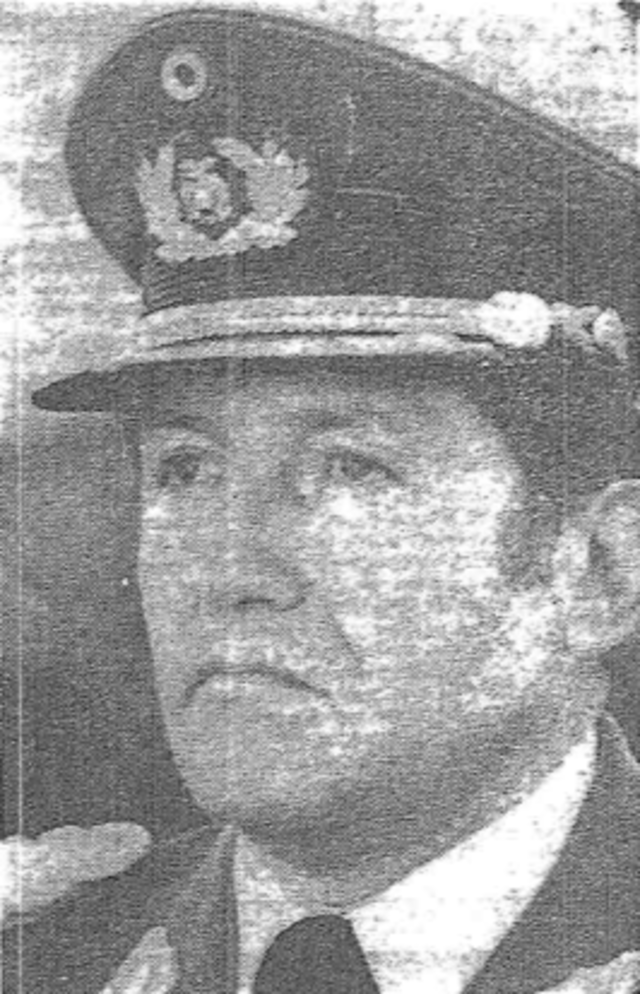
In 1980, Bolivia experienced a brutal and highly corrupt military coup d'état known as the "Cocaine Coup." The coup was orchestrated by General Luis García Meza, who seized power on July 17, 1980, ousting the democratically elected government of President Lidia Gueiler Tejada. This period was marked by extreme violence, significant human rights abuses, and deep involvement with drug traffickers, which had a profound impact on Bolivia's political and social landscape.
Background
Bolivia in the late 1970s and early 1980s was a nation plagued by political instability, economic turmoil, and increasing influence from drug cartels. The cocaine trade was booming, and Bolivia, as one of the primary producers of coca leaves, became a central player in the global narcotics market. This economic backdrop created fertile ground for corruption and criminal activities, which infiltrated various levels of government and society.
The Coup
The coup was meticulously planned and executed with the assistance of several key figures, including former Nazi officer Klaus Barbie, also known as the "Butcher of Lyon," who provided intelligence and tactical support. The military took swift action, and within hours, they controlled the major cities, government buildings, and media outlets.
Luis García Meza's Regime
General Luis García Meza quickly established a repressive military dictatorship. His regime was characterized by brutal crackdowns on dissent, including torture, disappearances, and extrajudicial killings. The Bolivian population lived in fear as the regime targeted journalists, political opponents, and anyone suspected of opposing the new government.
García Meza's rule was also marked by rampant corruption. The regime was heavily influenced by drug traffickers who provided financial support in exchange for political protection and favorable policies. The most notorious of these figures was Roberto Suárez Gómez, often referred to as the "King of Cocaine," who played a significant role in financing the coup and subsequently wielded considerable influence over the government.
International Reactions
The international community reacted with outrage to the coup and the subsequent human rights abuses. Many countries, including the United States, imposed sanctions and cut off diplomatic relations with Bolivia. Despite the international condemnation, García Meza's regime maintained its grip on power through sheer brutality and the support of drug money.
Downfall and Legacy
The García Meza dictatorship was short-lived, collapsing in 1981 due to increasing internal and external pressures. The general's regime faced mounting resistance from the Bolivian people, as well as condemnation and isolation from the international community. García Meza fled the country but was later captured and extradited back to Bolivia, where he was tried and sentenced to 30 years in prison for various crimes, including murder and human rights abuses.
The legacy of the "Cocaine Coup" left a deep scar on Bolivia. It underscored the pervasive influence of the drug trade in Bolivian politics and society and highlighted the devastating impact of corruption and human rights violations. The period also served as a grim reminder of the lengths to which individuals and groups would go to seize and maintain power, often at the expense of their own people.
#CocaineCoup #LuisGarciaMeza #BolivianHistory #DrugTrafficking #PoliticalCorruption #HumanRightsAbuses #1980sHistory #MomentsOfLife #MoofLife_Moment #MoofLife
View detailsFollowing years of military rule in Bolivia, the nation witnessed a significant shift with the congressional election of Hernán Siles Zuazo. The election marked a pivotal moment in Bolivia's history as Siles Zuazo's victory represented the country's return to democracy.
Under the military regimes that had previously ruled Bolivia, political freedoms were suppressed, and human rights violations were rampant. Siles Zuazo's election brought hope for a new era of freedom, democracy, and respect for human rights in the country.
His victory in the congressional election was a result of widespread support from the Bolivian people who yearned for a government that truly represented their interests and was accountable to them. Siles Zuazo's administration focused on implementing political and economic reforms to move Bolivia towards a more stable and prosperous future.
The return to democracy with the election of Siles Zuazo had far-reaching impacts on Bolivia, setting the stage for future leaders to prioritize democratic principles and the well-being of the Bolivian people.
#Bolivia #Democracy #Election #HernánSilesZuazo
View details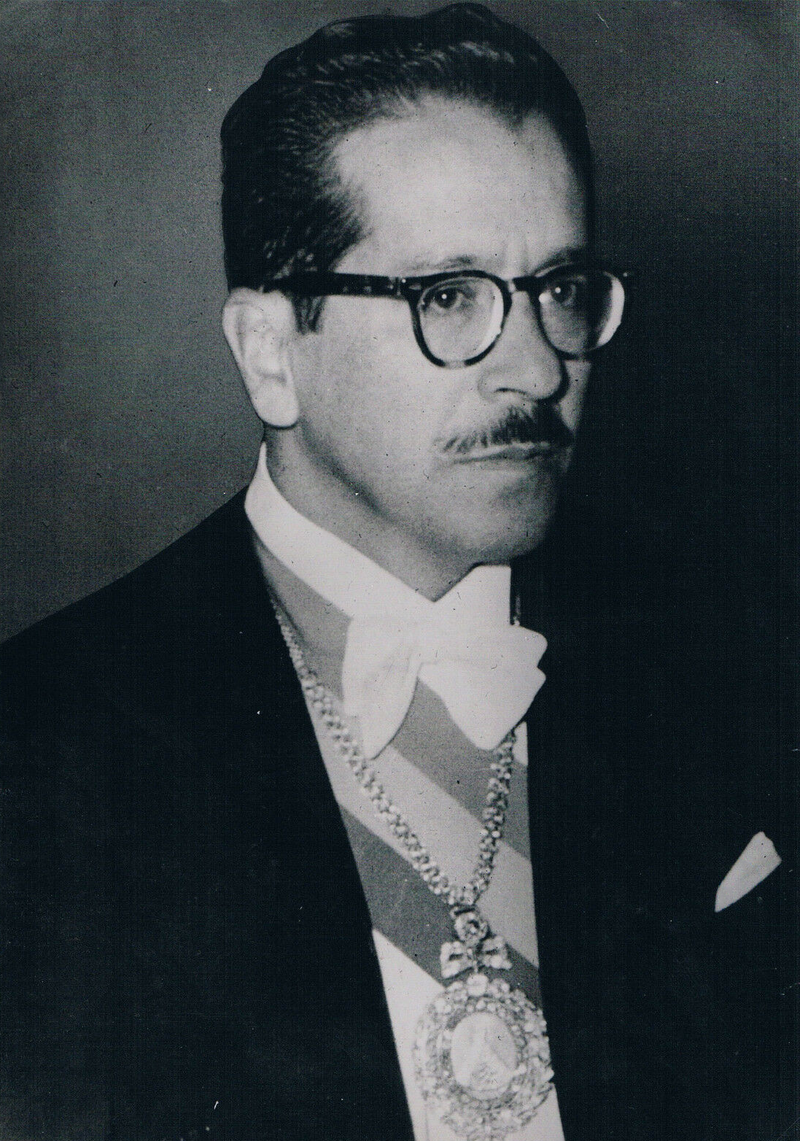
1971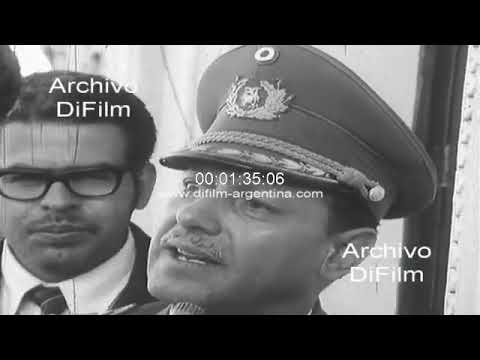
In 1971, Colonel Hugo Banzer orchestrated another military coup in Bolivia, establishing himself as a dictator until 1978. Banzer justified his actions by citing the need to combat political instability and left-wing guerrilla movements. During his regime, he implemented repressive measures, including censorship, human rights abuses, and suppression of political opposition.
The military coup led by Colonel Hugo Banzer had a significant impact on Bolivia, with widespread political repression and economic instability characterizing his rule. Banzer's dictatorship was marked by authoritarianism, leading to the suppression of civil liberties and political dissent. Despite some economic growth during his tenure, his regime was condemned for its human rights violations and crackdown on opposition voices.
The military coup and subsequent dictatorship under Colonel Hugo Banzer remain a contentious period in Bolivia's history, highlighting the lasting effects of authoritarian rule on the country's political landscape. The legacy of Banzer's regime continues to shape Bolivia's society and politics, serving as a reminder of the challenges posed by authoritarian leadership.
#Bolivia #MilitaryCoup #HugoBanzer #Authoritarianism #PoliticalRepression
View details1969
The Nationalization of the Gulf Oil Company by the government of Bolivia marked a pivotal moment in the country's history. The decision was driven by a desire to regain control over Bolivia's natural resources, particularly its oil reserves. The government aimed to assert sovereignty and maximize the economic benefits from the oil industry.
The nationalization had significant impacts both domestically and internationally. Domestically, it strengthened the government's control over the oil sector and provided a source of revenue for social programs and infrastructure development. It also elevated Bolivia's status as a key player in the global oil market, asserting its independence from foreign corporations.
The move stirred mixed reactions, sparking controversies among foreign investors but garnering strong support from the Bolivian population. It exemplified a shift towards economic self-determination and resource nationalism that resonated with other resource-rich nations.
The nationalization of Gulf Oil Company by Bolivia underscored the country's commitment to managing its resources for the benefit of its people, setting a precedent for future resource management policies. It remains a defining moment in Bolivia's history, reflecting a desire for economic autonomy and national development. #Bolivia #Nationalization #ResourceManagement
View details1967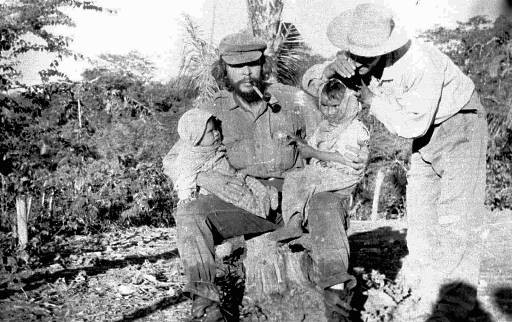
Che Guevara, a prominent figure in the Cuban Revolution, traveled to Bolivia to ignite a revolution against the government. He was captured by Bolivian forces with the support of the CIA and was executed. His death marked the end of his guerrilla efforts in Bolivia and highlighted the challenges faced by revolutionary movements in Latin America. Guevara's demise had a lasting impact on leftist movements worldwide, solidifying his status as a revolutionary icon. The event underscored the complexities and risks associated with armed rebellions and brought attention to US intervention in Latin American politics. Guevara's death in Bolivia remains a symbol of resistance and defiance against oppressive regimes, inspiring countless individuals to fight for social justice and equality.
#CheGuevara #Bolivia #Revolution #Legacy #Resistance
View details1964
In 1964, General Rene Barrientos Ortuño staged a military coup in Bolivia, overthrowing the government and establishing a military regime. Barrientos, supported by conservative groups and the United States, accused the government of President Victor Paz Estenssoro of being too sympathetic to communism, leading to widespread unrest and political instability in the country.
Under Barrientos' rule, repression of political dissent increased, and human rights abuses became rampant. The military became deeply involved in governing the country, with Barrientos consolidating power and suppressing opposition. Despite facing internal and external criticism, he managed to stay in power until his death in a helicopter crash in 1969.
The military regime established by Barrientos significantly impacted Bolivia's political landscape, setting a precedent for military involvement in governance that would continue for years to come. The coup marked a turning point in the country's history, leading to a period of authoritarian rule and political turmoil.
#Bolivia #MilitaryCoup #Authoritarianism
View details1952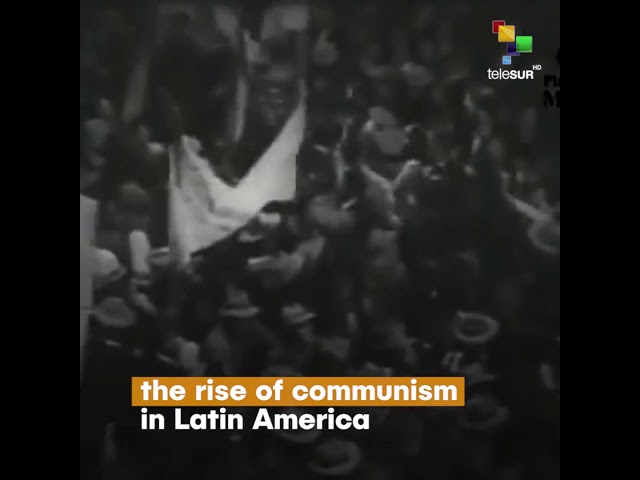
In Bolivia, the National Revolution marked a pivotal moment in the country's history when widespread social and political upheaval led to significant changes in the government. The revolution aimed to address longstanding issues of inequality, land distribution, and political power imbalance. It was driven by various groups including miners, peasants, and intellectuals who sought to overthrow the ruling elite and bring about a more equitable society.
One of the most notable outcomes of the revolution was the implementation of agrarian reform, which aimed to redistribute land to impoverished peasants and indigenous communities. This shift in land ownership aimed to empower marginalized groups and stimulate economic growth in rural areas. Additionally, the revolution led to the nationalization of key industries such as tin mining, aimed at benefitting the country's economy and reducing foreign influence.
The National Revolution in Bolivia brought about a more inclusive and participatory political system, giving a voice to traditionally marginalized groups and laying the foundation for social and economic development in the country. The revolution's legacy continues to shape Bolivia's political landscape and collective memory to this day.
#Bolivia #NationalRevolution #AgrarianReform #SocialJustice #PoliticalChange
View details1943
In Bolivia, a coup led by Gualberto Villarroel, with support from the nationalist Movimiento Nacionalista Revolucionario (MNR), aimed to address social injustices and implement reforms. Originating from the dissatisfaction with the entrenched oligarchy, the MNR, comprised of intellectuals, workers, and students, sought to champion the marginalized indigenous population and the urban working class. Villarroel, a military officer, embraced their cause, promising greater social equality and economic reforms.
This coup brought about significant changes in Bolivia. Villarroel's government initiated land reforms, aimed at redistributing land to indigenous communities, and implemented labor reforms to improve working conditions. The regime prioritized education and healthcare, seeking to uplift the standard of living for the disenfranchised populations. The MNR's revolutionary agenda gained momentum, signaling a shift towards a more inclusive and progressive government.
Despite its ambitious goals, the coup faced opposition from traditional elites and conservative factions who resisted the changes proposed by Villarroel and the MNR. Internal divisions and external pressures eventually led to the downfall of the government, highlighting the challenges of enacting radical reforms in a polarized society.
#Bolivia #SocialJustice #Reforms #MovimientoNacionalistaRevolucionario
View details1938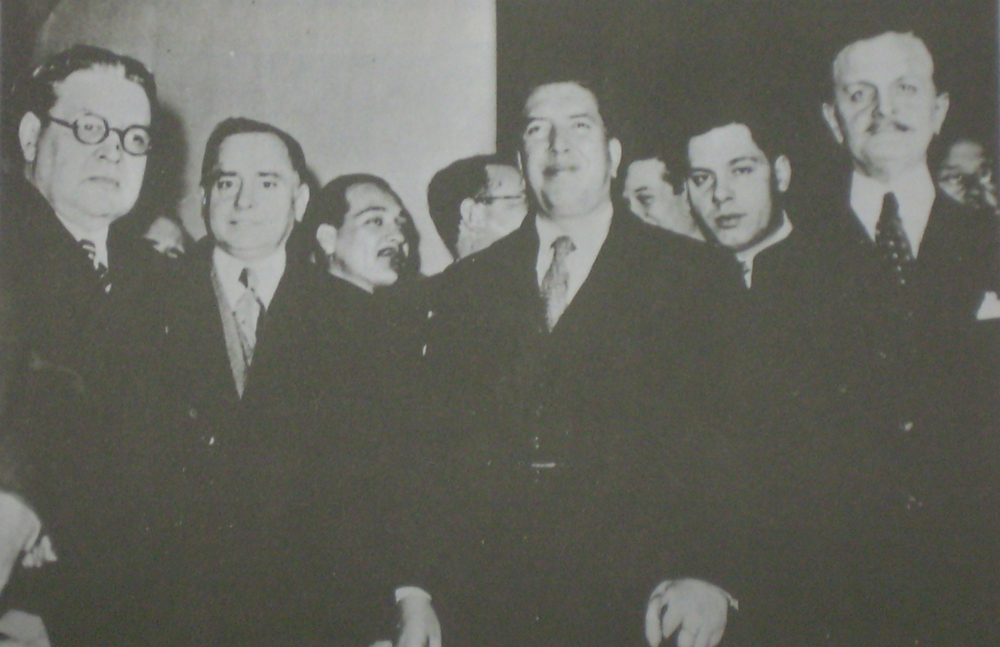
After three years of fighting in the Chaco War, Bolivia and Paraguay agreed to the Treaty of Peace. The conflict over the Chaco region had claimed thousands of lives and left both countries in economic distress. The treaty marked the end of hostilities and defined new borders between the nations. Bolivia ceded most of the disputed territory to Paraguay, gaining only a small portion of the Chaco.
The Treaty of Peace brought relief to both countries and the international community, ending one of the bloodiest wars in South American history. The agreement was brokered by the League of Nations, with the United States and other countries playing a role in the negotiations. It established a lasting peace between Bolivia and Paraguay, setting the stage for future diplomatic relations.
The Chaco War and the subsequent Treaty of Peace had a lasting impact on Bolivia, shaping its foreign policy and territorial boundaries. The loss of the Chaco region was a blow to Bolivia's national pride, leading to political turmoil and social unrest in the years that followed. However, the treaty also provided an opportunity for reconciliation and cooperation between the two nations.
#Bolivia #Paraguay #ChacoWar #TreatyofPeace #Diplomacy
View details1937
In 1937, the Nationalization of Standard Oil Company assets in Bolivia marked a crucial step towards asserting Bolivian control over its natural resources. The decision was a response to the oppressive practices of the foreign-owned company and aligned with Bolivia's desire for economic autonomy.
With the nationalization, Bolivia gained ownership and management of the Standard Oil Company's assets, including valuable oil fields and infrastructure. This move significantly boosted Bolivia's ability to harness its oil resources for domestic development and revenue generation. By taking control of these assets, Bolivia sought to break free from the grip of foreign interests and strengthen its sovereignty over its abundant natural resources.
The event symbolized a turning point in Bolivia's history, highlighting its determination to safeguard its national interests and uphold its right to manage its resources for the benefit of its people. The nationalization of the Standard Oil Company assets served as a powerful statement of Bolivia's commitment to self-determination and economic independence.
#Bolivia #Nationalization #NaturalResources #Sovereignty
View details1932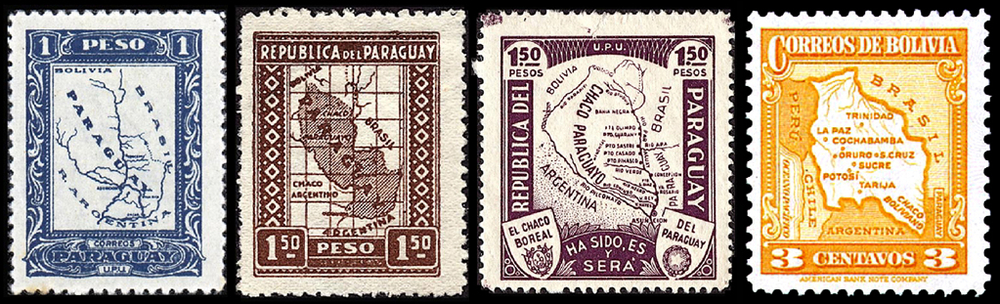
The Chaco War between Bolivia and Paraguay began as a territorial dispute over the Chaco Boreal region. Both nations claimed ownership of the land, which was believed to be rich in resources.
The conflict escalated when negotiations failed to reach a peaceful resolution. Bolivia, seeking access to the Paraguay River for trade, mobilized its military forces to enforce its claim. Paraguay, determined to defend its territory, retaliated with military action.
The war had significant impacts on both countries, resulting in high casualties and economic strain. Bolivia faced internal unrest, while Paraguay experienced a period of military dictatorship.
The Chaco War ended after three years with a peace agreement that favored Paraguay, granting them most of the disputed territory. The conflict left a lasting legacy of bitterness and strained relations between the two nations.
#ChacoWar #Bolivia #Paraguay #TerritorialDispute #MilitaryConflict #PeaceAgreement
View details1928
During the Great Depression, Bolivia faced severe consequences as the global economic downturn greatly impacted its tin industry, a crucial sector for the country's economy. The fall in tin prices led to a significant decrease in production and export revenues, causing widespread economic hardships for the Bolivian population.
The tin industry, which was the main source of income for many Bolivians, suffered immensely as demand plummeted worldwide. This resulted in mass unemployment, poverty, and social unrest in mining communities across the country. The government struggled to provide assistance to its citizens, exacerbating the economic crisis.
The Great Depression's effects on Bolivia were long-lasting, with the country experiencing a prolonged period of economic instability and social unrest. The once-thriving tin industry faced a slow recovery, hindering Bolivia's overall economic growth for years to come.
This event serves as a stark reminder of the interconnectedness of the global economy and the vulnerability of economies reliant on a single industry. It also highlights the importance of diversifying a country's economy to mitigate the impact of external economic shocks. #Bolivia #GreatDepression #TinIndustry #EconomicHardship
View details1920
In 1920, Bolivia saw the inception of labor reforms and the emergence of workers' rights movements that would significantly shape the nation's political landscape. The backdrop of economic inequalities and harsh working conditions propelled laborers to unite and demand better treatment. Trade unions and organizations were established to champion fair wages, improved working hours, and overall better working conditions.
The impact of this event was profound as it marked a crucial turning point in Bolivia's labor history. Workers found a platform to voice their grievances collectively, creating solidarity and strength in numbers. The push for labor reforms not only improved the lives of workers but also laid the foundation for future labor movements and political activism in Bolivia.
These developments led to a redefinition of power dynamics within the workforce and prompted the government to acknowledge the importance of addressing labor issues. The organization of workers' rights movements sparked a wave of change that reverberated throughout Bolivian society, setting the stage for a more equitable and just labor environment.
#BoliviaLaborReforms #WorkersRightsMovements #PoliticalActivism
View details1904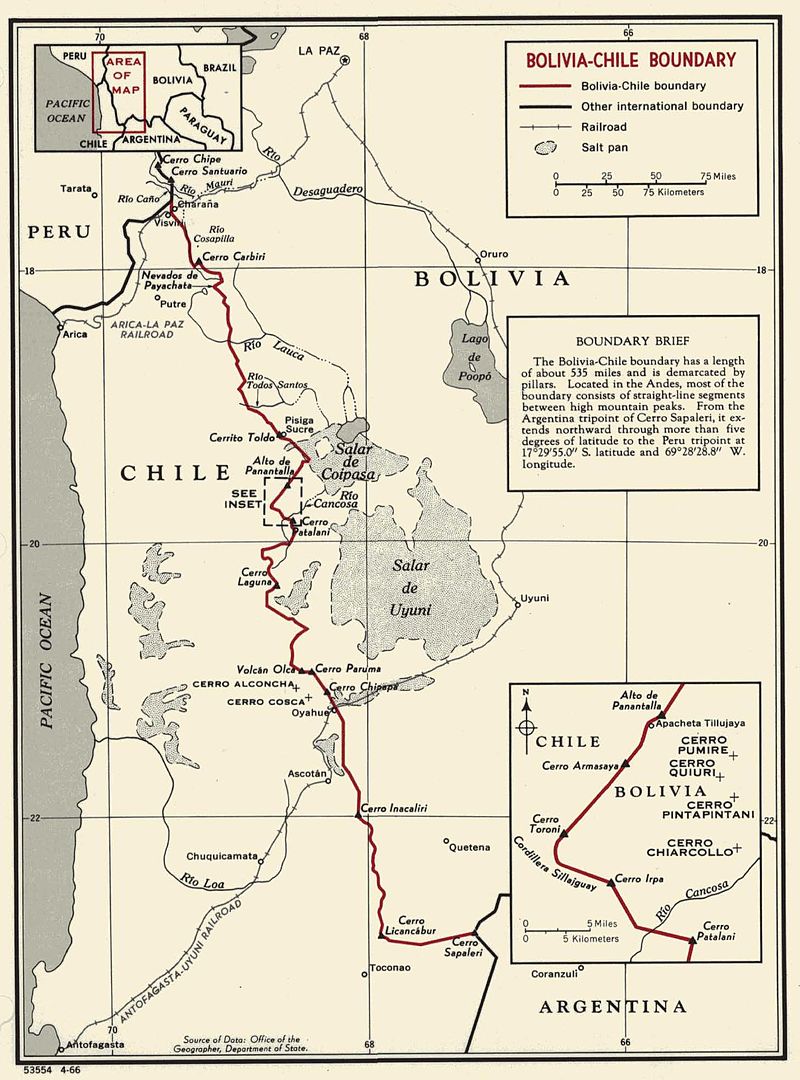
After years of bloody conflict known as the War of the Pacific, Bolivia and Chile finally reached an agreement by signing the Treaty of Peace and Friendship. The war had its roots in a dispute over mineral-rich territories, particularly Bolivia's access to the Pacific Ocean. Following several battles, including the pivotal Battle of Calama, the two nations found common ground and decided to end the hostilities.
The Treaty of Peace and Friendship effectively put an end to the war and established new borders between Bolivia and Chile. Bolivia lost its access to the Pacific coast but gained assurances for peaceful relations and facilitated commerce between the two countries. While the treaty resolved the immediate conflict, its impact on Bolivia's economy and national psyche was profound, shaping its geopolitical landscape for years to come.
The signing of the Treaty of Peace and Friendship was a pivotal moment in the history of Bolivia, marking the end of a costly war and the beginning of a new chapter in its relationship with Chile. The agreement highlighted the importance of diplomacy and negotiation in resolving conflicts and set the stage for future cooperation between the two nations. #Bolivia #Chile #WarofthePacific #TreatyofPeace #Diplomacy
View details1903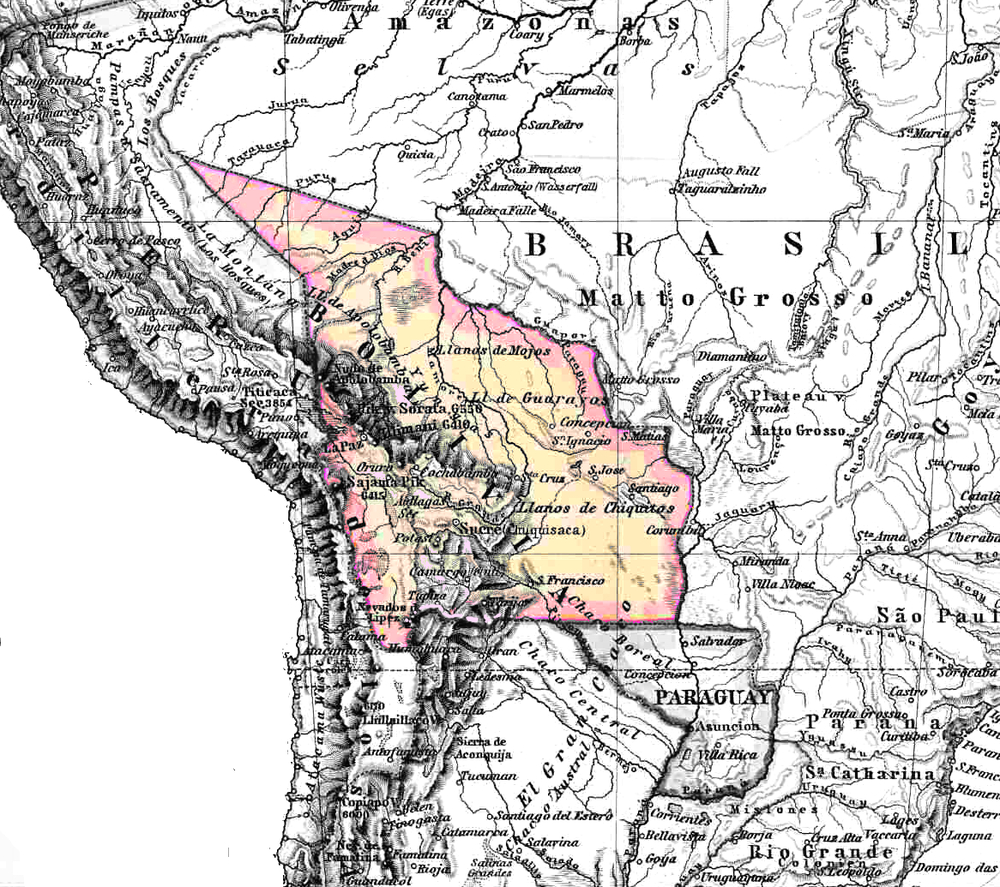
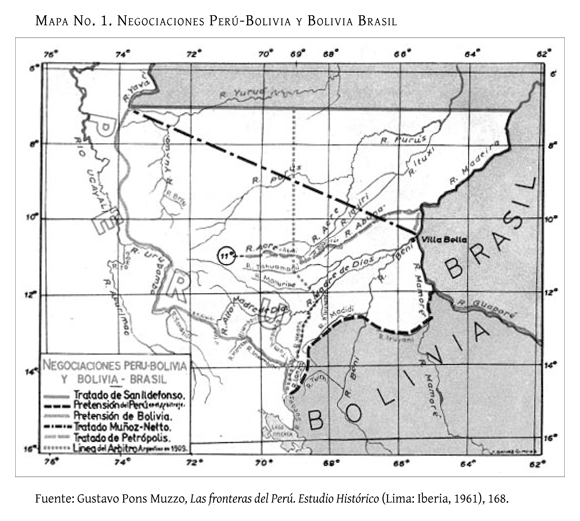
Bolivia's loss of the Acre region to Brazil stemmed from a dispute over territory and resources. The Acre region, rich in rubber, became a point of contention between the two countries. Brazil's investments and settlers in Acre increased, leading to tensions with Bolivia, who struggled to control the remote area.
As the conflict escalated, Brazil supported local insurgencies in Acre, prompting Bolivia to seek international arbitration. In the end, the arbitration ruled in Brazil's favor, granting them control of the disputed region. Bolivia's defeat in losing Acre had economic repercussions, as the region's rubber production continued to flourish under Brazilian governance.
The loss of Acre had lasting impacts on Bolivia's economy and national pride, sparking internal unrest and political turmoil. The event underscored Bolivia's challenges in asserting its territorial claims and protecting its resources against more powerful neighbors.
#Bolivia #AcreRegion #Brazil #TerritorialDispute #ResourceConflict #EconomicImpact
View detailsFollowing the discovery of rubber reserves in the region of Acre, a disputed territory between Bolivia and Brazil, tensions escalated. The signing of the Treaty of Petropolis concluded a long-standing conflict by confirming Brazil's control over Acre in exchange for financial compensation to Bolivia. This agreement brought stability to the region and allowed Brazil to capitalize on the valuable rubber resources, leading to economic growth and development in the area. The treaty also established a new border between the two nations, solidifying Brazil's territorial expansion. This event marked a significant diplomatic achievement for Brazil and resolved a contentious issue with its neighbor. The Treaty of Petropolis remains a pivotal moment in the history of both countries, shaping their relationship and borders for years to come. #TreatyofPetropolis #Brazil #Bolivia #Acre #Diplomacy
View details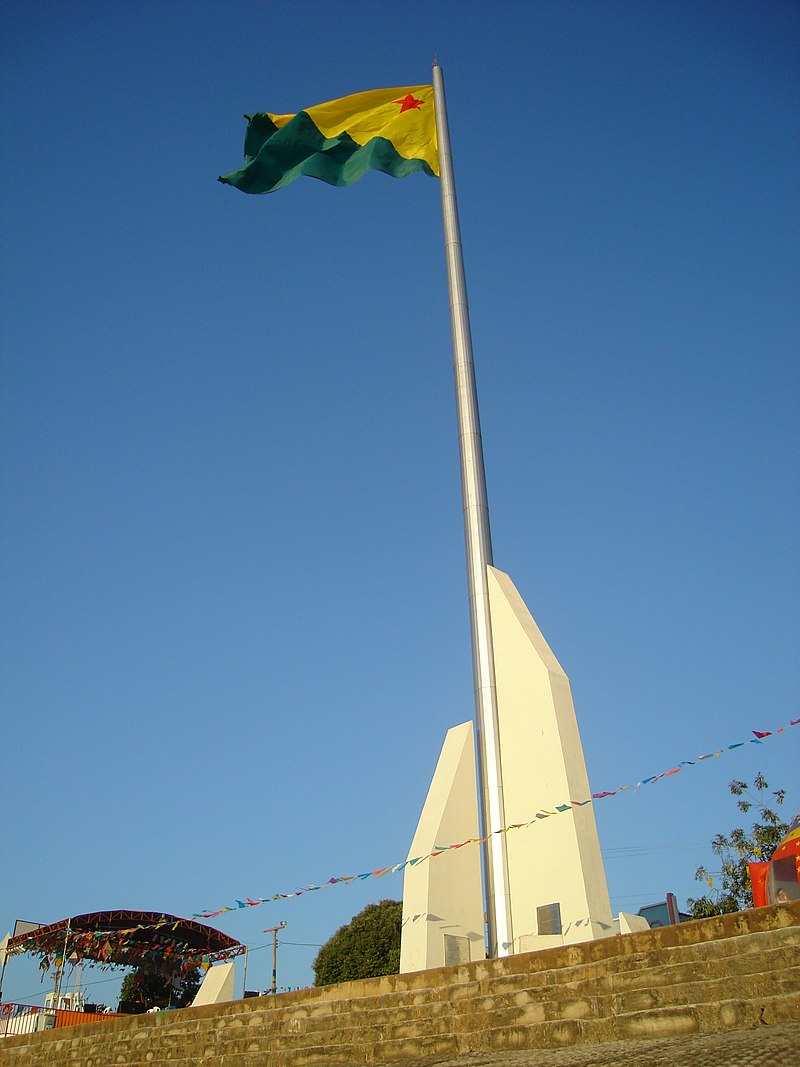
1902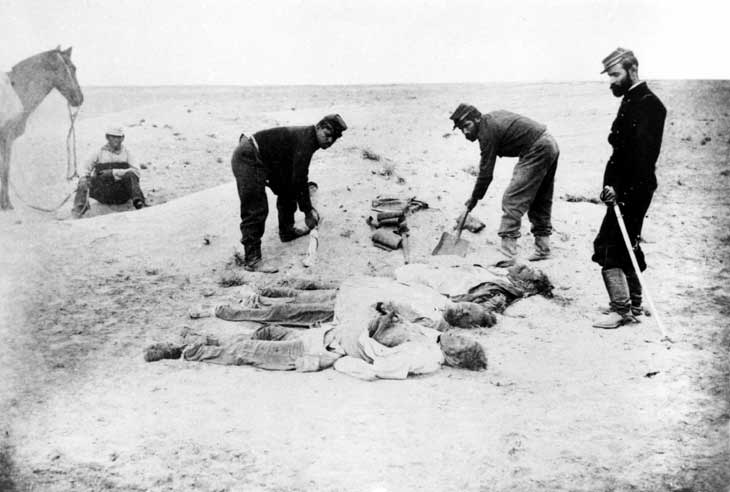
The War of the Pacific between Bolivia and Chile ended with Bolivia losing its coastal territories to Chile. The conflict arose due to disputes over mineral-rich lands. Bolivia lost access to the Pacific Ocean, impacting its economy and international trade routes. The Treaty of Peace and Friendship of 1904 solidified Chile's control over the disputed territories. As a result, Bolivia became a landlocked country, facing economic challenges due to the lack of coastal access. This loss still resonates in Bolivian national consciousness, shaping its foreign policy approach. The event continues to influence bilateral relations between Bolivia and Chile.
#WarofthePacific #Bolivia #Chile #TreatyofPeaceandFriendship #LandlockedCountry #EconomicImpact
View details1900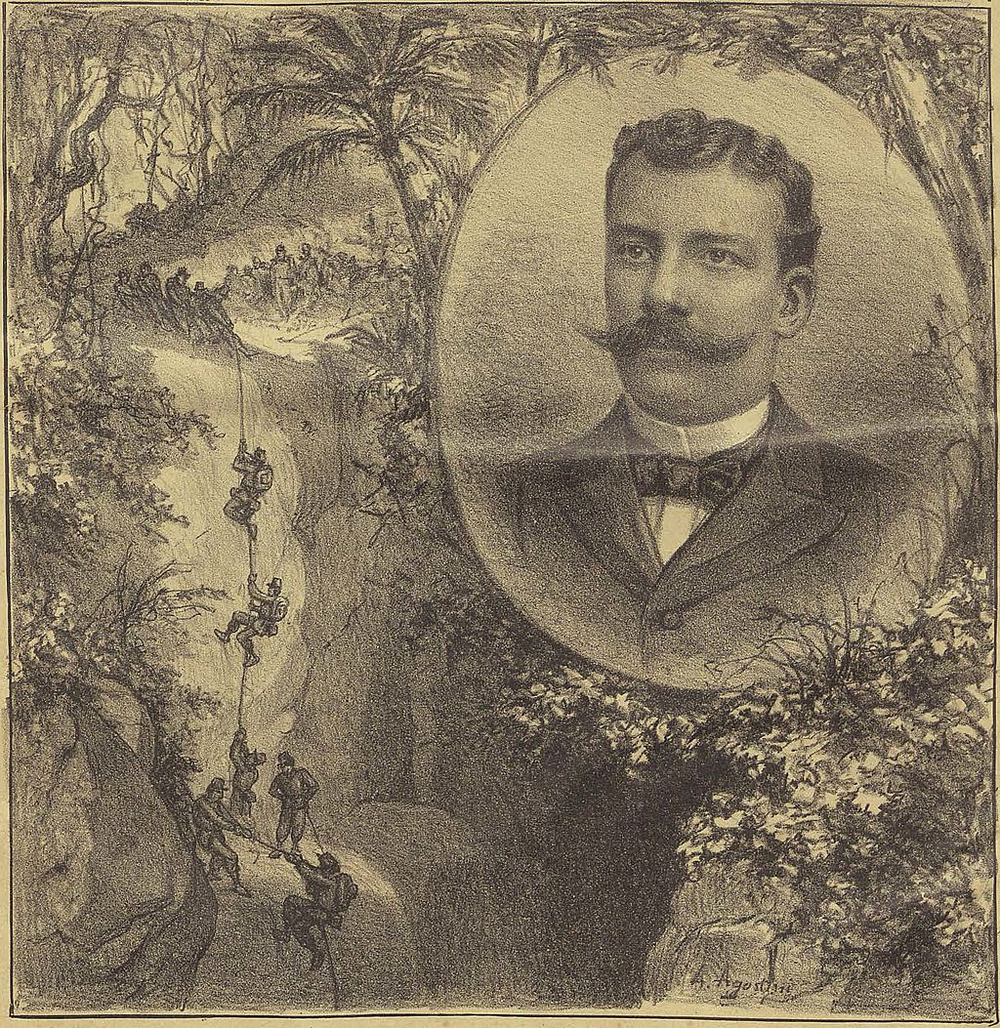
The War of Acre between Bolivia and Brazil began due to a dispute over the Acre region, known for its rich rubber resources. Bolivia laid claim to the territory, but Brazilian rubber tappers and settlers had established a strong presence there. As tensions escalated, Bolivia sought to assert its authority, leading to armed conflict.
The war had a significant impact on the region, resulting in casualties on both sides and drawing international attention. Brazil ultimately emerged victorious, solidifying its control over Acre. The conflict also highlighted the strategic importance of the region's natural resources, particularly rubber, which was in high demand at the time.
The War of Acre underscored the complexities of territorial disputes and resource conflicts in South America, shaping the political landscape of the region for years to come. It also demonstrated the influence of external powers in local conflicts, as both Bolivia and Brazil sought support from other countries during the war.
#WarofAcre #BoliviaBrazilConflict #ResourceDispute #TerritorialConflict #SouthAmericanHistory
View details1899
In 1899, the Liberal Party of Bolivia ascended to governmental power, marking the beginning of a new era characterized by liberal economic policies and substantial investments in the mining sector. This shift in leadership brought about significant changes in the country's economic landscape.
Under the Liberal Party's governance, Bolivia saw a surge in economic growth driven by the exploitation and development of its rich mining resources. The government implemented policies aimed at promoting free market principles and attracting foreign investments, particularly in the mining industry. This influx of capital led to increased production and export of minerals, contributing to the country's economic prosperity.
The liberal economic policies also brought about improvements in infrastructure, such as the construction of transportation networks to facilitate the transportation of minerals from mines to markets. This further boosted the mining sector's productivity and profitability, fueling continued economic growth.
Overall, the rise of the Liberal Party to power in 1899 marked a turning point for Bolivia, ushering in a period of economic liberalization and significant investments in the mining industry that had long-lasting positive impacts on the country's economy. #LiberalParty #MiningSector #BolivianEconomy
View details1884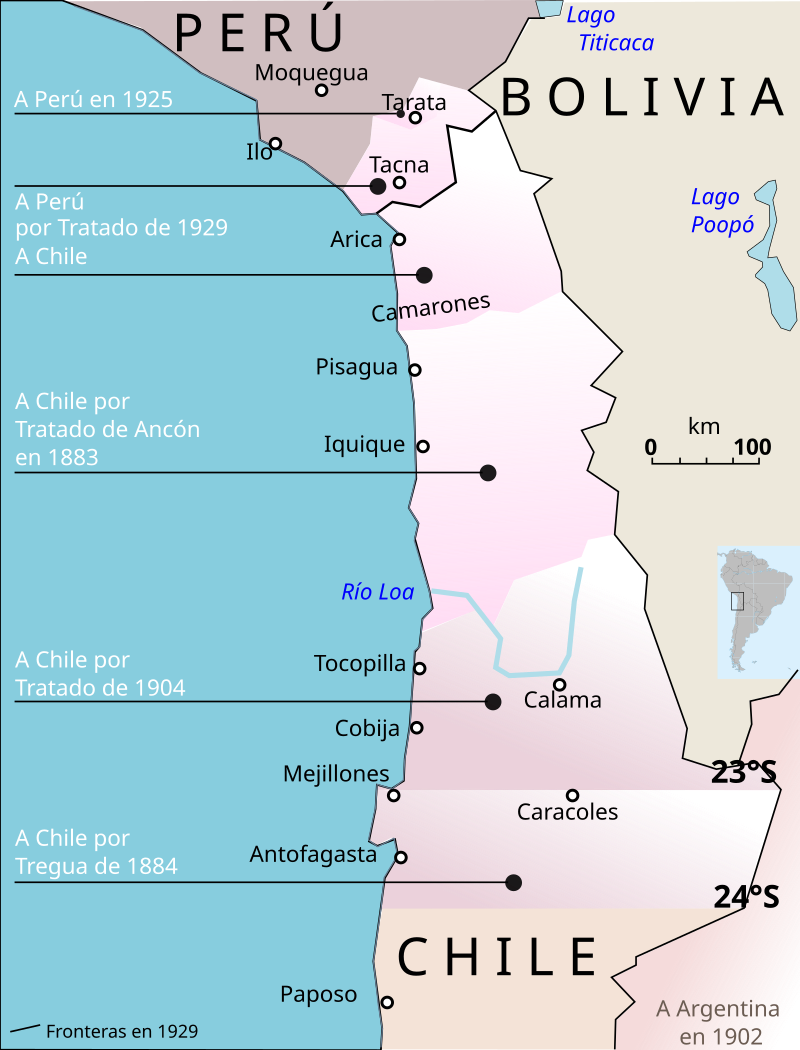
The Treaty of Valparaiso was a pivotal event in Bolivian history, formalizing the country's loss of its coastal territories to Chile. The treaty marked the end of the War of the Pacific, a conflict between Bolivia, Chile, and Peru over control of the region's lucrative nitrate and copper resources. Following Bolivia's defeat in the war, the treaty solidified Chile's control over the disputed territories, cutting Bolivia off from the Pacific Ocean. This loss has had enduring economic and geopolitical consequences for Bolivia, as the country remains landlocked to this day.
The signing of the Treaty of Valparaiso was a bitter moment for Bolivia, symbolizing the country's diminished territorial sovereignty and its struggle to assert its place in the region. The treaty's repercussions continue to reverberate through Bolivia's political landscape, shaping its relationships with neighboring countries and its approach to international diplomacy.
The Treaty of Valparaiso underscores Bolivia's ongoing efforts to regain access to the sea and its quest for territorial justice. It stands as a reminder of the complex legacy of colonialism and conflict in Latin America, highlighting the lasting impact of historical disputes on contemporary geopolitics. #Bolivia #TreatyofValparaiso #WarofthePacific #TerritorialLoss #LandlockedNation
View details1879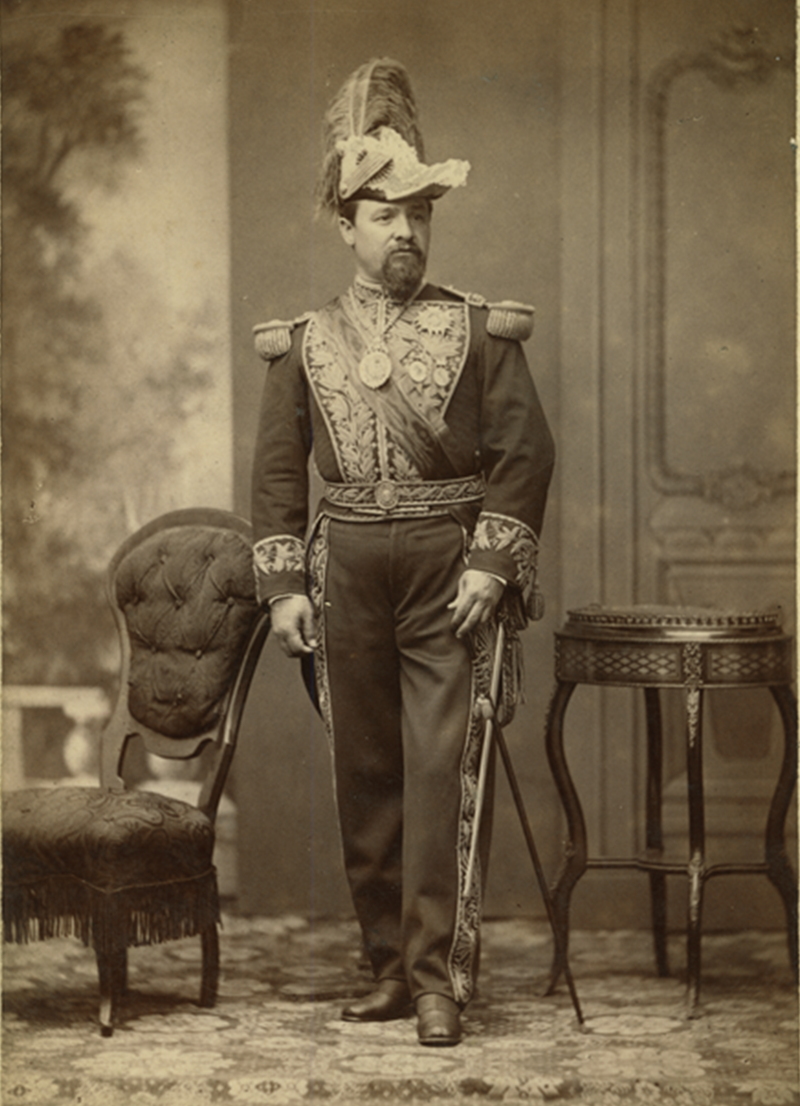
President Hilarión Daza's rule in Bolivia came to an abrupt end as he was ousted in a military coup. Daza's administration was marked by corruption, economic turmoil, and political unrest. The military, led by General Narciso Campero, seized power to restore stability and prevent further deterioration of the country.
The coup had a significant impact on Bolivia, leading to a period of uncertainty and transition. The new government, under General Campero, aimed to bring about reforms and improve governance in the country. Daza fled into exile, leaving behind a legacy of mismanagement and authoritarianism.
The military coup served as a turning point in Bolivian politics, setting the stage for future power struggles and political realignments. It underscored the fragile nature of democracy in the country and the role of the military in shaping its political landscape.
#Bolivia #MilitaryCoup #GovernmentOverthrow #PoliticalUnrest
View detailsBolivia entered the War of the Pacific against Chile and Peru due to disputes over nitrate-rich territories. The conflict stemmed from Bolivia's attempt to increase tax rates on Chilean mining companies operating in the disputed region. Chile refused to comply, leading Bolivia to seize Chilean assets in the area. In response, Chile declared war on Bolivia and allied with Peru.
The war ended in a decisive victory for Chile, resulting in Bolivia losing its access to the Pacific coast. The Treaty of Ancón in 1883 formalized Bolivia's territorial losses, leaving the country landlocked and economically weakened. The loss of the nitrate-rich territories also had significant long-term implications for Bolivia's economy, as nitrates were a valuable resource used in agricultural fertilizers and explosives.
This event marked a turning point in Bolivia's history, shaping its territorial boundaries and economic development for years to come. The War of the Pacific also had lasting implications for Chile and Peru, affecting their diplomatic relations and regional power dynamics. The conflict underscored the importance of territory and resources in shaping geopolitical struggles in South America.
#Bolivia #WarofthePacific #NitrateDisputes #TreatyofAncon #GeopoliticalConflict
View details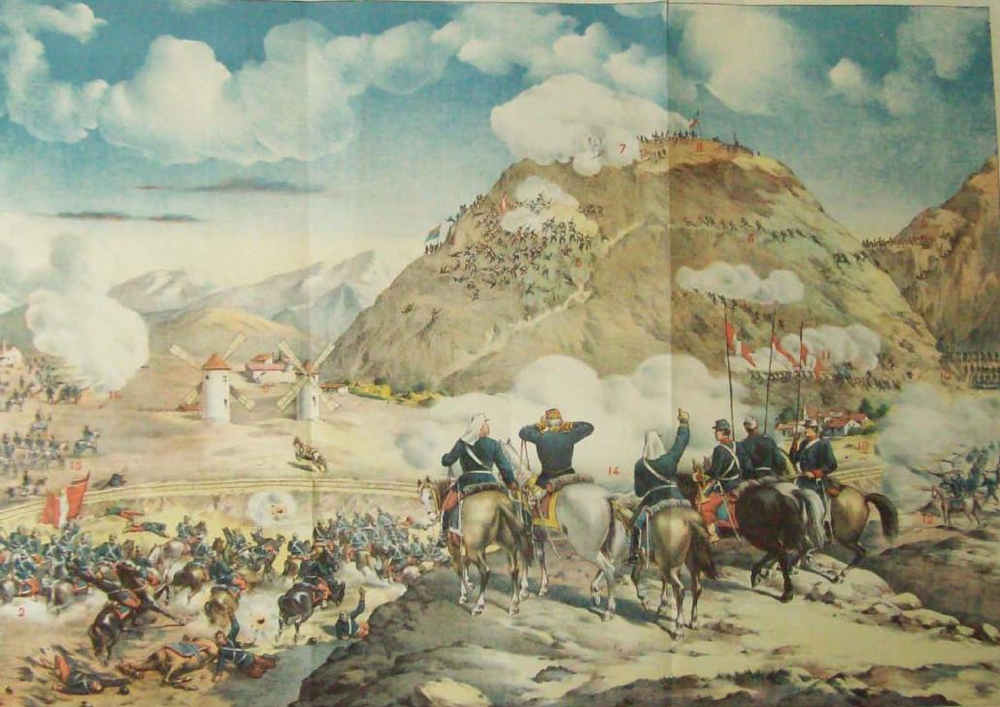
1873
In 1873, an economic downturn hit Bolivia, worsened by plummeting silver prices and rising public debt. The country heavily relied on silver exports, and the concurrent global economic crisis severely impacted its economy. The decreased demand for silver led to a sharp decline in revenues, while the accumulation of public debt further strained the financial stability of the nation.
This economic crisis had far-reaching consequences in Bolivia, leading to widespread unemployment, poverty, and social unrest. The government struggled to meet its financial obligations, resulting in budget cuts and a reduction in public services. The living conditions of many Bolivians deteriorated, leading to increased hardship and discontent among the population.
As Bolivia grappled with the repercussions of the economic downturn, efforts were made to diversify the economy and reduce dependency on silver. The crisis served as a catalyst for economic reforms aimed at creating a more stable and sustainable financial system.
#Bolivia #EconomicDownturn #SilverPrices #PublicDebt #Unemployment #Reforms #SocialUnrest
View details1867
The signing of the Treaty of Ayacucho marked the end of the Peru-Bolivia Confederation. This confederation was formed by an agreement between the two countries to create a unified state. However, internal tensions and external pressures led to its dissolution. Bolivian forces suffered a decisive defeat at the Battle of Ayacucho, compelling them to negotiate a peace treaty.
The treaty outlined the terms of the dissolution, with Bolivia agreeing to renounce its claims over a large portion of Peru. This loss of territory greatly impacted Bolivia's size and resources, significantly weakening its geopolitical position. The event also highlighted the challenges of maintaining political unions between countries with distinct interests and identities.
The Treaty of Ayacucho fundamentally altered the course of Bolivia's history, shaping its national identity and territorial boundaries. It serves as a reminder of the complexities and consequences of political alliances and territorial ambitions. Today, it remains a crucial historical moment in Bolivia's narrative of independence and sovereignty.
#TreatyofAyacucho #PeruBoliviaConfederation #TerritorialDissolution #HistoricPeaceAgreement
View detailsFollowing the Treaty of Ayacucho with Brazil in 1867, the region of Acre was officially incorporated into Bolivia's territory. The treaty marked the end of disputes over the territory, which had been a source of contention between Bolivia and Brazil. Acre's strategic location and valuable resources made it a coveted region for both countries.
The inclusion of Acre into Bolivia brought about significant changes in the region. Bolivian laws, culture, and governance were introduced, shaping the identity of Acre. The territory also gained access to Bolivia's trade networks, providing economic opportunities for the local population.
The Treaty of Ayacucho with Brazil paved the way for stability and cooperation between the two nations. It established clear boundaries and put an end to conflicts that had long plagued the region.
This event highlighted Bolivia's efforts to expand and consolidate its territory, while also fostering diplomatic relations with neighboring countries. The treaty's impact on Acre's history and development remains evident to this day, shaping the region's identity and ties to Bolivia.
#TreatyofAyacucho #Bolivia #Acre #Brazil #Diplomacy #TerritorialExpansion
View details