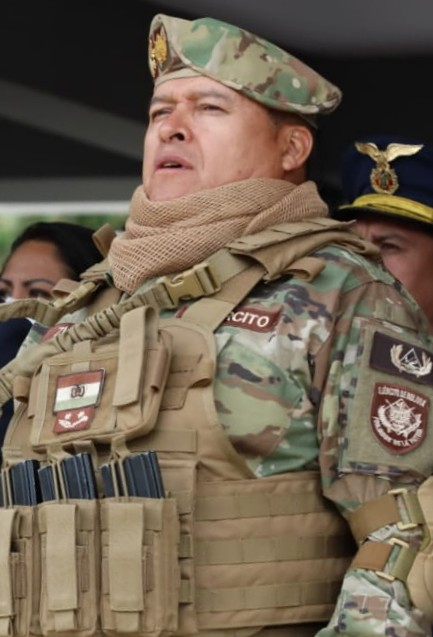
Failed coup attempt in Bolivia led by Juan José Zúñiga sparks political unrest and government crackdown.
Bolivia
Political
5 min read
Updated By: History Editorial Network (HEN)
Published:
Updated:
In the early hours of June 26th, a failed coup attempt unfolded in La Paz, Bolivia, led by Juan José Zúñiga. Zúñiga, a former military officer and a controversial political figure, attempted to seize control of the government through a coordinated effort. The coup was planned to coincide with a period of political unrest marked by widespread dissatisfaction with the current administration.
The attempt began with a small group of armed insurgents who infiltrated key government buildings in La Paz, including the Presidential Palace and the headquarters of the Bolivian Armed Forces. The insurgents aimed to detain high-ranking officials and declare a new government under Zúñiga's leadership. However, the plot was quickly thwarted by loyalist forces who were alerted by intelligence reports.
The government's rapid response, led by the Bolivian Armed Forces and police units, resulted in the arrest of Zúñiga and his key supporters within hours of the coup's initiation. Clashes between the insurgents and loyalist forces led to minor casualties, with official reports indicating three deaths and several injuries among both civilians and military personnel.
The ramifications of the coup attempt were immediate and significant. The Bolivian government declared a state of emergency, implementing curfews and heightened security measures throughout the nation. The failed coup also led to a crackdown on suspected conspirators and increased surveillance on potential dissident groups. Public reactions were mixed; while some feared further political instability, others saw the swift quelling of the coup as a testament to the government's resilience and the strength of its institutions.
International reactions varied as well. Neighboring countries and global powers expressed concern over the attempted coup, with many emphasizing the importance of maintaining democratic processes. Economic markets experienced short-term fluctuations as investors reacted to the political uncertainties.
The failed coup's exposure illuminated underlying issues within Bolivia, such as political fragmentation and public distrust in government. This event highlighted the importance of addressing these systemic issues to ensure long-term political stability.
#FailedCoup #LaPaz #JuanJoseZuniga #Bolivia #PoliticalUnrest #MoofLife

Explore the Life Moments of
 AI Twin