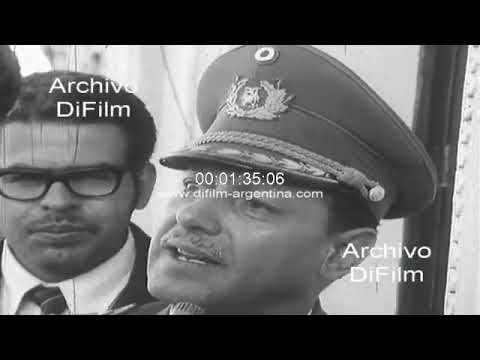
Military Coup Led by Colonel Hugo Banzer, dictator until 1978
Bolivia

Political
Authoritarianism
3 min read
Updated By: History Editorial Network (HEN)
Published:
Updated:
In 1971, Colonel Hugo Banzer orchestrated another military coup in Bolivia, establishing himself as a dictator until 1978. Banzer justified his actions by citing the need to combat political instability and left-wing guerrilla movements. During his regime, he implemented repressive measures, including censorship, human rights abuses, and suppression of political opposition.
The military coup led by Colonel Hugo Banzer had a significant impact on Bolivia, with widespread political repression and economic instability characterizing his rule. Banzer's dictatorship was marked by authoritarianism, leading to the suppression of civil liberties and political dissent. Despite some economic growth during his tenure, his regime was condemned for its human rights violations and crackdown on opposition voices.
The military coup and subsequent dictatorship under Colonel Hugo Banzer remain a contentious period in Bolivia's history, highlighting the lasting effects of authoritarian rule on the country's political landscape. The legacy of Banzer's regime continues to shape Bolivia's society and politics, serving as a reminder of the challenges posed by authoritarian leadership.
#Bolivia #MilitaryCoup #HugoBanzer #Authoritarianism #PoliticalRepression

Explore the Life Moments of
 AI Twin