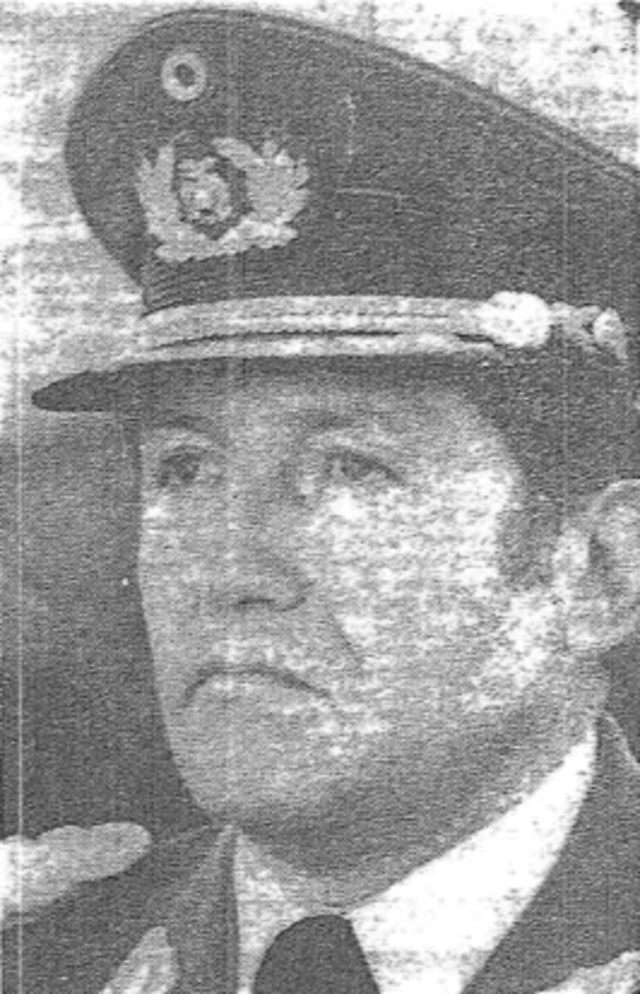
The "Cocaine Coup" led by Luis García Meza
Bolivia

8 min read
Updated By: History Editorial Network (HEN)
Published:
Updated:
In 1980, Bolivia experienced a brutal and highly corrupt military coup d'état known as the "Cocaine Coup." The coup was orchestrated by General Luis García Meza, who seized power on July 17, 1980, ousting the democratically elected government of President Lidia Gueiler Tejada. This period was marked by extreme violence, significant human rights abuses, and deep involvement with drug traffickers, which had a profound impact on Bolivia's political and social landscape.
Background
Bolivia in the late 1970s and early 1980s was a nation plagued by political instability, economic turmoil, and increasing influence from drug cartels. The cocaine trade was booming, and Bolivia, as one of the primary producers of coca leaves, became a central player in the global narcotics market. This economic backdrop created fertile ground for corruption and criminal activities, which infiltrated various levels of government and society.
The Coup
The coup was meticulously planned and executed with the assistance of several key figures, including former Nazi officer Klaus Barbie, also known as the "Butcher of Lyon," who provided intelligence and tactical support. The military took swift action, and within hours, they controlled the major cities, government buildings, and media outlets.
Luis García Meza's Regime
General Luis García Meza quickly established a repressive military dictatorship. His regime was characterized by brutal crackdowns on dissent, including torture, disappearances, and extrajudicial killings. The Bolivian population lived in fear as the regime targeted journalists, political opponents, and anyone suspected of opposing the new government.
García Meza's rule was also marked by rampant corruption. The regime was heavily influenced by drug traffickers who provided financial support in exchange for political protection and favorable policies. The most notorious of these figures was Roberto Suárez Gómez, often referred to as the "King of Cocaine," who played a significant role in financing the coup and subsequently wielded considerable influence over the government.
International Reactions
The international community reacted with outrage to the coup and the subsequent human rights abuses. Many countries, including the United States, imposed sanctions and cut off diplomatic relations with Bolivia. Despite the international condemnation, García Meza's regime maintained its grip on power through sheer brutality and the support of drug money.
Downfall and Legacy
The García Meza dictatorship was short-lived, collapsing in 1981 due to increasing internal and external pressures. The general's regime faced mounting resistance from the Bolivian people, as well as condemnation and isolation from the international community. García Meza fled the country but was later captured and extradited back to Bolivia, where he was tried and sentenced to 30 years in prison for various crimes, including murder and human rights abuses.
The legacy of the "Cocaine Coup" left a deep scar on Bolivia. It underscored the pervasive influence of the drug trade in Bolivian politics and society and highlighted the devastating impact of corruption and human rights violations. The period also served as a grim reminder of the lengths to which individuals and groups would go to seize and maintain power, often at the expense of their own people.
#CocaineCoup #LuisGarciaMeza #BolivianHistory #DrugTrafficking #PoliticalCorruption #HumanRightsAbuses #1980sHistory #MomentsOfLife #MoofLife_Moment #MoofLife
Explore the Life Moments of
 AI Twin