Austria

The Land of Music and Mountains
About
#Austria
#Austria_Timeline
#Austria_history
#Austria_History_Timeline
Life Classification
Country
Life ID
EL0020159494361
Verified Name
austria
Life Type
Entity Life
Life Editor(s)
History Editorial Network (HEN)
Life Privacy
Public
Subscription
Elite
Created On
2024-07-03
Updated On
2025-12-19
Connect




2026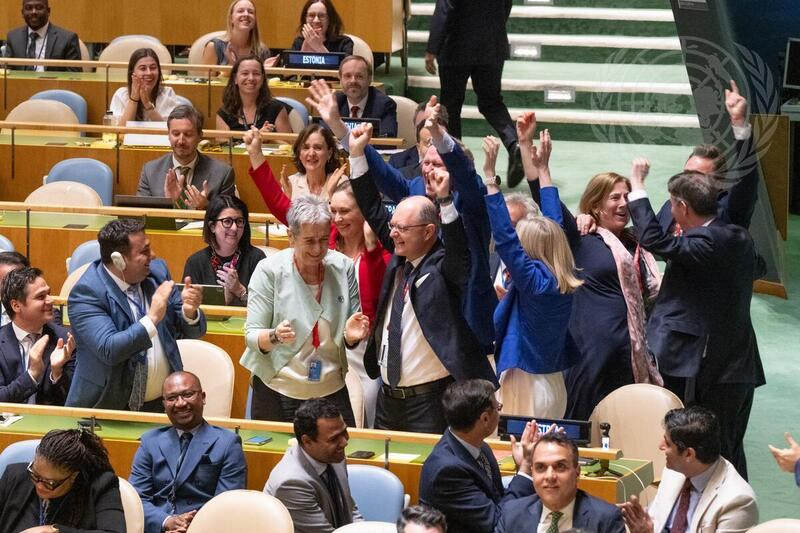
Austria was elected as a non-permanent member of the United Nations Security Council on 03/06/2026 during a vote held by the UN General Assembly at United Nations Headquarters in New York. Austria received 131 votes, securing one of the two seats allocated to the Western European and Others Group alongside Portugal. The election gave Austria a two-year term beginning on 01/01/2027 and ending on 31/12/2028. The result marked Austria's fourth election to the Security Council, following previous terms in 1973–1974, 1991–1992, and 2009–2010.
The Security Council consists of 15 members, including five permanent members and ten elected members serving staggered two-year terms. As an elected member, Austria will participate in decisions concerning international peace and security, sanctions, peacekeeping mandates, and conflict-related resolutions. The 2026 election required candidates to obtain a two-thirds majority of General Assembly members present and voting. Austria's election reflected its longstanding participation in United Nations diplomacy, with Vienna serving as one of the organisation's principal international headquarters locations.
View details2025
In 2025, the Austrian government announced the suspension of family reunion procedures for migrants, stating that the country was facing increasing challenges in managing integration efforts. Officials argued that Austria’s social services, housing availability, and language-learning programs were already under heavy pressure, making it difficult to properly support additional family members arriving from abroad. The decision drew significant attention across Europe, as Austria has long been a key destination for asylum seekers and migrant workers. Critics, including human rights groups and several EU partners, argued that the move risked separating families for long periods and could violate international protection standards. Supporters, however, claimed the suspension was necessary to stabilize public services, reduce administrative burdens, and ensure that those already in the country received adequate support. The policy sparked nationwide debate about migration, integration, and social responsibility, highlighting broader tensions within European countries over how to balance humanitarian obligations with domestic capacity. The suspension also prompted many migrant families to fear uncertainty about their future reunification, while advocacy groups increased pressure on the government to reconsider or modify the policy in the coming months.
View details2024
"The Austrian legislative election saw a significant victory for the far-right Freedom Party (FPÖ), marking a historic shift in the political landscape. The FPÖ garnered 34% of the vote, the highest in its history, indicating a considerable change in the electorate's direction. Despite this achievement, the party fell short of obtaining an outright majority in Austria's National Council.
The background of this electoral outcome is rooted in growing public dissatisfaction with the traditional centrist parties. The Social Democratic Party of Austria (SPÖ) and the Austrian People's Party (ÖVP) both suffered notable losses, securing only 21% and 19% of the vote, respectively. This decline has been attributed to internal conflicts, failure to address critical issues such as immigration, and the economic crisis, which has led many voters to seek alternative solutions.
The FPÖ's campaign focused heavily on immigration control, Euroscepticism, and economic reform, resonating with a substantial portion of the electorate concerned about national identity and economic stability. The party's leader emphasized a need for stronger borders, more stringent immigration policies, and a reduction in Austria's financial commitments to the European Union.
Despite their victory, the FPÖ will need to navigate coalition talks to form a government, as their 34% share of the vote does not translate to a parliamentary majority. This necessity for coalition-building introduces uncertainty into the political sphere, as potential partners are limited and negotiations are expected to be complex. Traditional centrist parties remain wary of aligning with the FPÖ due to ideological differences and potential backlash from their voter bases.
The election's aftermath will likely see Austria grappling with more polarized politics. Analysts predict increased debates around immigration, national security, and Austria's role within the EU. The potential for political instability is high as the FPÖ attempts to assert its agenda while balancing coalition dynamics.
#AustrianElection #FreedomParty #PoliticalShift #CoalitionTalks #EuropeanPolitics #MoofLife"
View details2021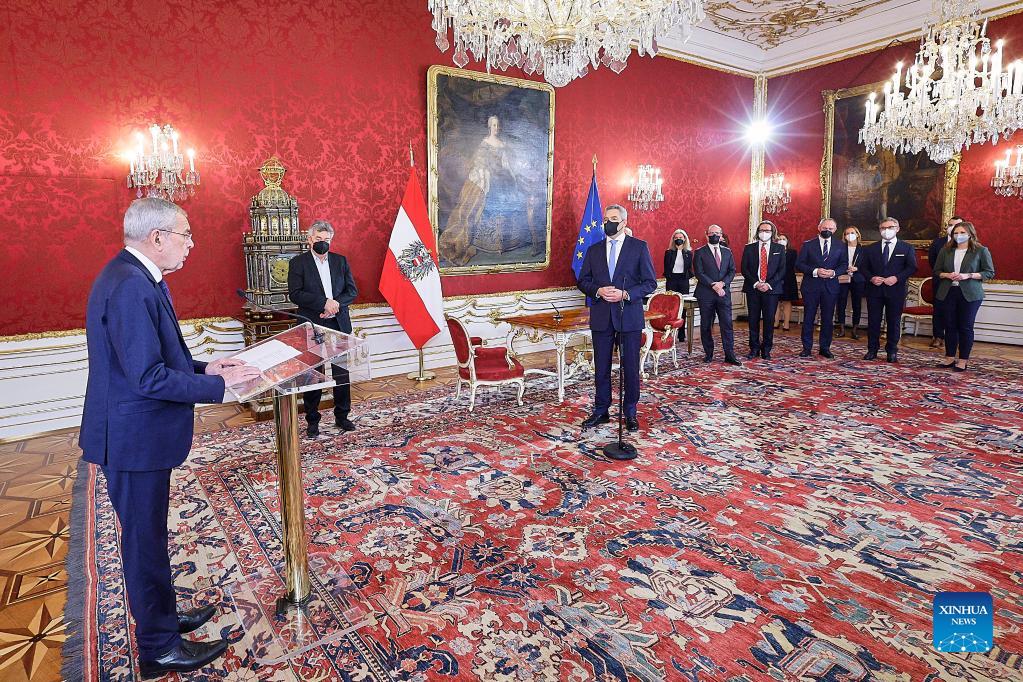
Karl Nehammer officially assumed office as Austria’s Chancellor on December 6, 2021, succeeding Alexander Schallenberg. Nehammer, a member of the Austrian People's Party (ÖVP), took over leadership during a politically turbulent time, following the resignation of Sebastian Kurz and Schallenberg’s brief stint in office. Before becoming chancellor, Nehammer served as Austria's Interior Minister, where he focused on issues related to security and immigration, which would later shape some of his policies as head of government.
Upon taking office, Nehammer had to navigate internal challenges within the ÖVP, maintain the governing coalition with the Greens, and address Austria’s domestic and foreign policy issues, including handling the COVID-19 pandemic and economic recovery. His tenure also saw Austria taking a controversial stance on European matters, such as vetoing Romania and Bulgaria's accession to the Schengen Area, which sparked diplomatic tensions with both countries.
#KarlNehammer #AustrianPolitics #Chancellor #ÖVP #MomentsOfLife #MoofLife_Moment
View detailsOn October 11, 2021, Austria’s Chancellor Sebastian Kurz resigned after facing intense pressure due to a corruption scandal involving his party, the Austrian People's Party (ÖVP). Kurz, who had been a dominant figure in Austrian politics and one of Europe's youngest leaders, stepped down following investigations into allegations that public funds were used to manipulate public opinion in favor of the ÖVP. This marked the beginning of a period of political turbulence in Austria, leading to a rapid succession of conservative chancellors.
Following Kurz's resignation, Alexander Schallenberg, the Foreign Minister and fellow ÖVP member, succeeded him as chancellor. Schallenberg, a seasoned diplomat, was viewed as a loyal ally of Kurz and took office on October 11, 2021. However, his tenure was short-lived, lasting less than two months, as he left office on December 6, 2021. Schallenberg’s brief leadership was not meant to be a long-term solution but rather a transitional role during the political uncertainty.
On December 6, 2021, Karl Nehammer, the interior minister at the time, was sworn in as Austria's third chancellor in just two months. Nehammer, another member of the ÖVP, took over leadership during a delicate political moment, tasked with restoring stability to the party and the country. Despite the leadership changes, the governing coalition between the ÖVP and the Greens remained intact, continuing its work on key domestic and international issues.
This rapid succession of chancellors underscored the significant political upheaval Austria experienced in late 2021, driven by the fallout of corruption allegations and internal party dynamics within the ÖVP.
#SebastianKurz #KarlNehammer #AlexanderSchallenberg #AustrianPolitics #ÖVP #CorruptionScandal #MomentsOfLife #MoofLife_Moment #MoofLife
View details2020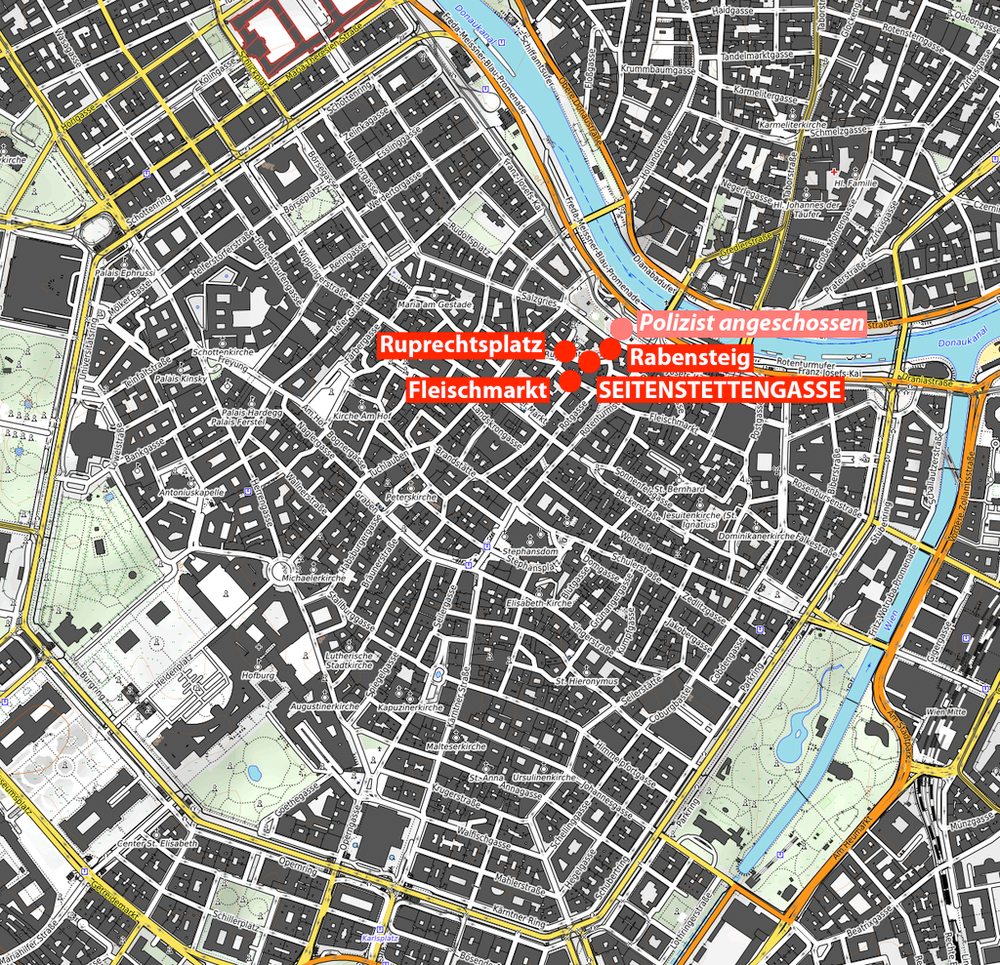
A tragedy unfolded in central Vienna as Jihadist gunmen carried out a deadly attack, claiming the lives of four individuals. The assailant, armed with automatic weapons and a fake explosive belt, targeted crowded areas near a synagogue before being shot dead by the police. The incident sparked panic and chaos among residents and tourists in the area, leading to a city-wide manhunt and lockdown.
The attack stirred fear and raised security concerns across Austria, prompting authorities to heighten vigilance and increase police presence in key locations. The event shed light on the persistent threat of terrorism in Europe and the challenges faced in combating radicalization and extremism. The victims, including an elderly man, a young passerby, and a waitress, were mourned by the nation as their names and stories emerged in the aftermath.
The tragic event serves as a somber reminder of the destructive potential of extremist ideologies and the importance of international cooperation in addressing security threats. As Austria mourns the loss of innocent lives, the resilience of the community and the swift response of law enforcement highlight the resolve to stand united against violence and terror. #ViennaAttack #TerrorismThreat #SecurityConcerns
View detailsFollowing the elections, Sebastian Kurz of the People's Party formed a coalition government with the Green Party. This unexpected partnership marked a shift in Austria's political landscape, bringing together two parties with different ideologies to govern the country. The coalition aimed to combine Kurz's centrist policies with the Green Party's focus on environmental and social issues.
The formation of this coalition government surprised many, as the People's Party had previously governed with the far-right Freedom Party. The partnership with the Green Party signaled a departure from the right-wing policies of the previous government, emphasizing a more progressive and environmentally conscious agenda.
The new coalition government faced challenges in reconciling the differing priorities of the two parties, particularly on issues such as immigration and climate change. Despite these challenges, both parties expressed a commitment to working together to address the country's challenges and move Austria forward.
Overall, the formation of the coalition government between Sebastian Kurz's People's Party and the Green Party marked a significant moment in Austrian politics, reflecting a desire for change and collaboration in addressing key issues facing the country.
#Austria #CoalitionGovernment #SebastianKurz #GreenParty #PoliticalPartnership #ProgressiveAgenda
View details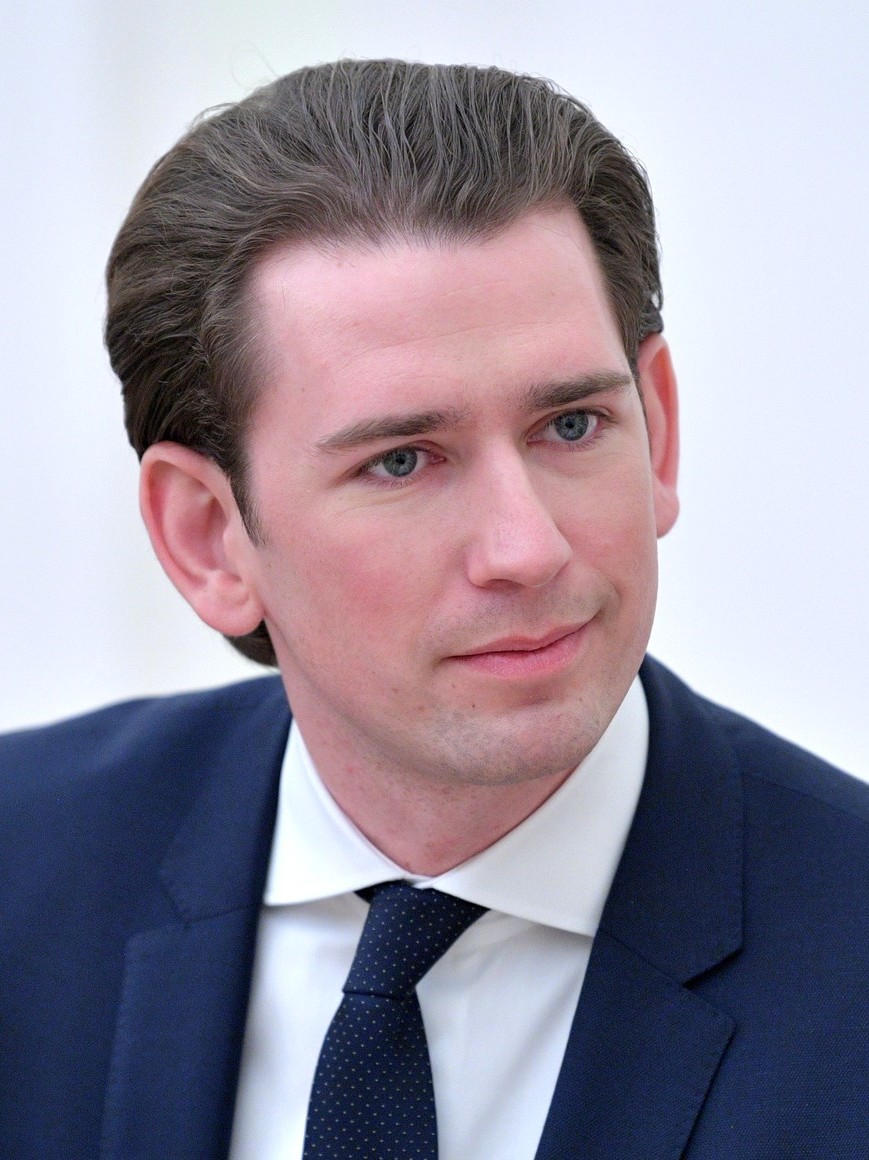
2019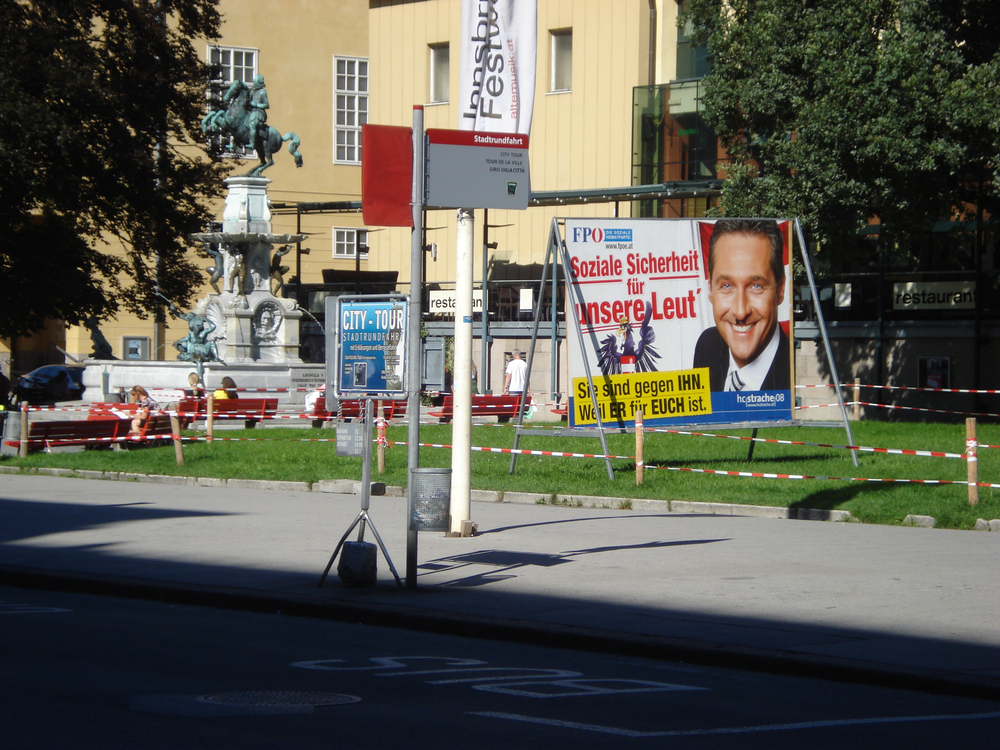
The Austrian coalition collapsed after a scandal involving the Freedom Party. The scandal surfaced when a video came to light showing the Vice Chancellor promising government contracts to a supposed Russian investor in exchange for political support. The revelation caused widespread outrage and led to the resignation of the Vice Chancellor and the dissolution of the coalition between the People's Party and the Freedom Party.
The fallout from the scandal had far-reaching consequences, shaking the political landscape of Austria. It prompted snap elections and a period of uncertainty as parties scrambled to form new alliances. The incident also raised concerns about the integrity of the government and the influence of external actors on Austrian politics.
The Freedom Party, in particular, faced a severe backlash from the public and saw a decline in support following the scandal. The events that unfolded highlighted the importance of transparency and accountability in government, and served as a cautionary tale about the potential pitfalls of political corruption.
#Austria #CoalitionCollapse #FreedomPartyScandal #PoliticalIntegrity
View details2017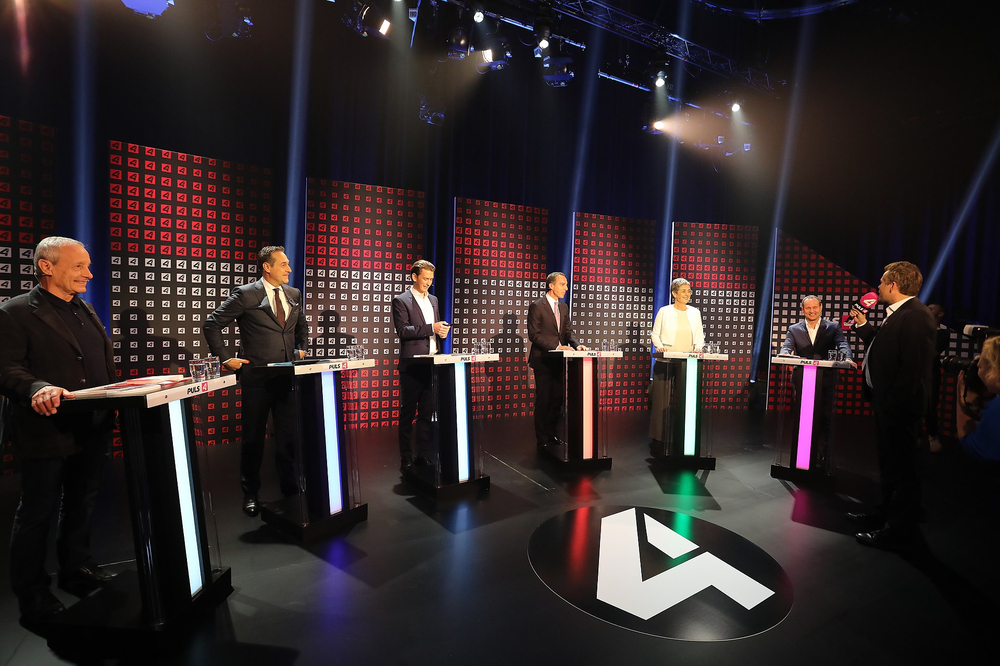
In the federal elections in Austria, the right-leaning Conservative People's Party, under the leadership of Sebastian Kurz, won a significant majority. Following the election, Kurz formed a coalition government with the far-right Freedom Party. This alliance marked a shift to the right in Austrian politics.
The rise of Sebastian Kurz and the Conservative People's Party was fueled by a campaign centered on promises of tougher immigration policies and a focus on national security. The collaboration with the Freedom Party sparked debates and concerns within Austria and in the international community, as the Freedom Party's past associations and policies raised alarms.
Sebastian Kurz assumed the role of Chancellor amidst a backdrop of growing right-wing sentiments in the country. The coalition government's formation signaled a change in direction for Austria, with potential implications for domestic and foreign policies. The move was met with both support and skepticism, reflecting the divided opinions within Austrian society.
The event highlighted the rise of conservative and right-wing ideologies in Austrian politics and raised questions about the future of the country's political landscape. The outcome of the elections had ramifications that extended beyond Austria, resonating with broader discussions on populism and nationalism in Europe.
#AustriaElections #SebastianKurz #RightWingRise
View detailsAt the age of 31, Sebastian Kurz made history by becoming the youngest Chancellor of Austria. His rise to power began with his leadership in the Austrian People's Party and his focus on a platform emphasizing national security and a hardline stance on immigration. Kurz's political acumen and charisma resonated with the Austrian population, leading to a decisive victory in the parliamentary elections.
As Chancellor, Kurz implemented various reforms, including tax cuts and stricter immigration policies. His leadership style was characterized by a pragmatic approach to governance, prioritizing the interests of the Austrian people. Despite facing criticism from some quarters, Kurz maintained a strong base of support throughout his tenure.
Sebastian Kurz's appointment as the youngest Chancellor of Austria marked a shift in the country's political landscape, signaling a new era of youthful leadership. His tenure was defined by a commitment to conservative principles and a focus on revitalizing the Austrian economy.
#SebastianKurz #AustriaChancellor #YouthfulLeadership #PoliticalShift
View details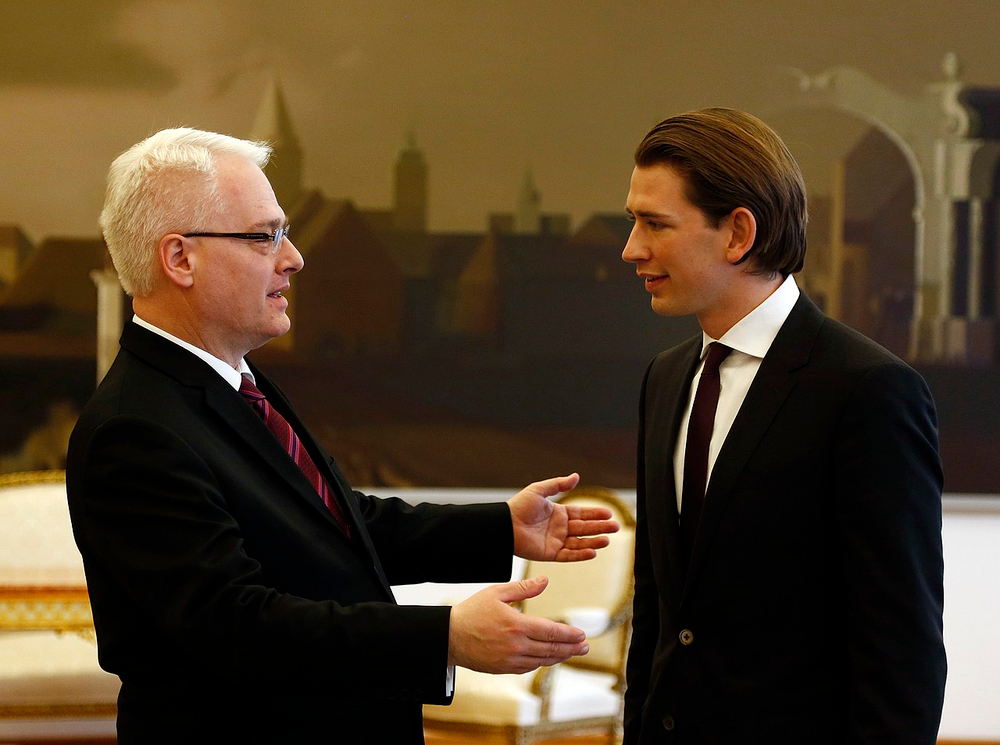
In Austria, the ruling coalition reached an agreement to prohibit the wearing of Islamic full-face veils in various public settings such as courts, schools, and other public spaces. The decision stemmed from concerns about integration and national security, with supporters arguing that the ban promotes cultural assimilation and upholds secular values.
The ban on Islamic full-face veils in public spaces has sparked debates on religious freedom and minority rights within the country. While proponents view the measure as a step towards promoting societal cohesion, critics argue that it infringes on individual liberties and specifically targets Muslim women.
The ban extends to settings where identification or open communication is deemed essential, such as courtrooms and educational institutions. Violators of the ban could face fines as a consequence. Despite objections from civil liberties advocates and some political groups, the ruling coalition maintains its stance on the prohibition as a means to uphold Austrian cultural norms.
The decision to restrict Islamic full-face veils in certain public spaces reflects the government's stance on fostering integration and safeguarding national security interests. The impact of this ban underscores ongoing discussions surrounding religious expression and the balance between individual freedoms and societal values. #Austria #VeilBan #Integration #ReligiousFreedom
View details
2016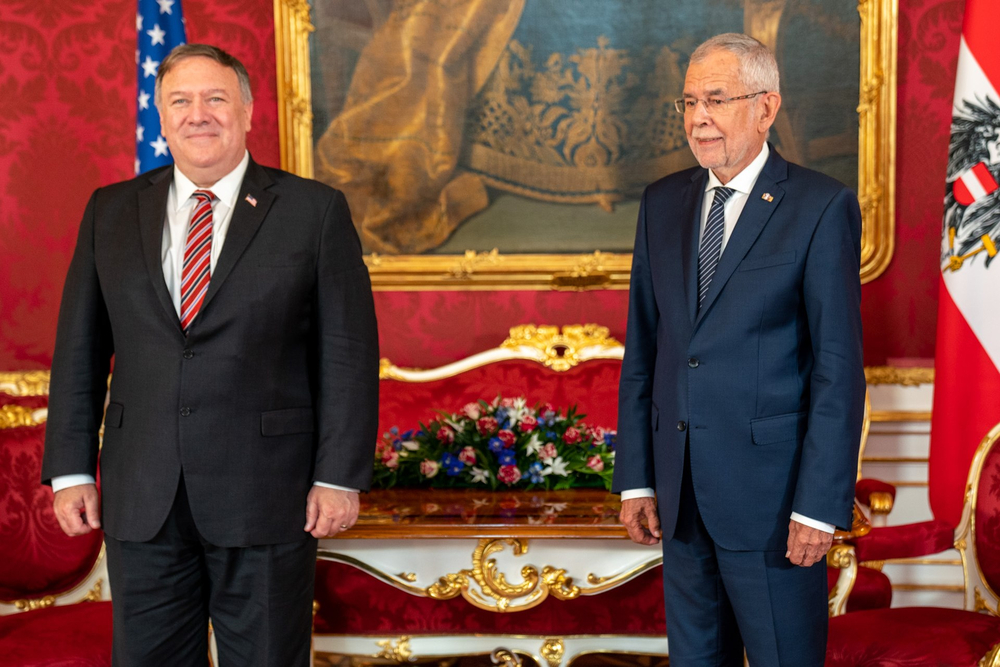
In a closely watched election, Alexander Van der Bellen emerged victorious as the President of Austria, defeating Norbert Hofer. Van der Bellen, a former leader of the Green Party, secured the win with a pro-European Union platform, while his opponent, Hofer, represented the right-wing Freedom Party.
The election highlighted the divisions within Austrian society, with Van der Bellen advocating for unity and inclusivity, while Hofer's campaign focused on anti-immigration and nationalist sentiments. The outcome was seen as a signal of the country's commitment to the European Union and democratic values.
Van der Bellen's win marked a shift away from the rise of populist and nationalist movements in Europe, and was celebrated by many across the continent as a victory for liberal democracy. The President-elect's promises to address social and environmental issues resonated with a majority of Austrian voters.
The election of Alexander Van der Bellen as President of Austria served as a reaffirmation of the country's place within the European Union and its dedication to democratic principles, sending a message of hope and unity in a time of political uncertainty. #Austria #VanDerBellen #Election Victory.
View detailsIn a closely watched presidential election in Austria, Alexander Van der Bellen emerged as the victor over far-right candidate Norbert Hofer. Van der Bellen ran on a platform of inclusivity, political stability, and European unity, while Hofer's campaign focused on anti-immigration and nationalist sentiments.
The initial election results were incredibly tight, leading to a re-run due to concerns over the validity of postal votes. The re-vote turnout was high, with Van der Bellen ultimately securing a clear victory over Hofer.
Van der Bellen's win was seen as a rejection of the far-right populism gaining traction in Europe. It was also a significant moment for Austria, proving that a majority of voters favored a more moderate and pro-European vision for the country.
This election highlighted deep divisions within Austrian society, with Van der Bellen's win signaling a desire for unity and cooperation. The outcome was celebrated by many who saw it as a victory for liberal values and a setback for the rise of far-right politics in the region.
#Austria #Election #VanDerBellen #Hofer #EuropeanUnity #Moderation
View details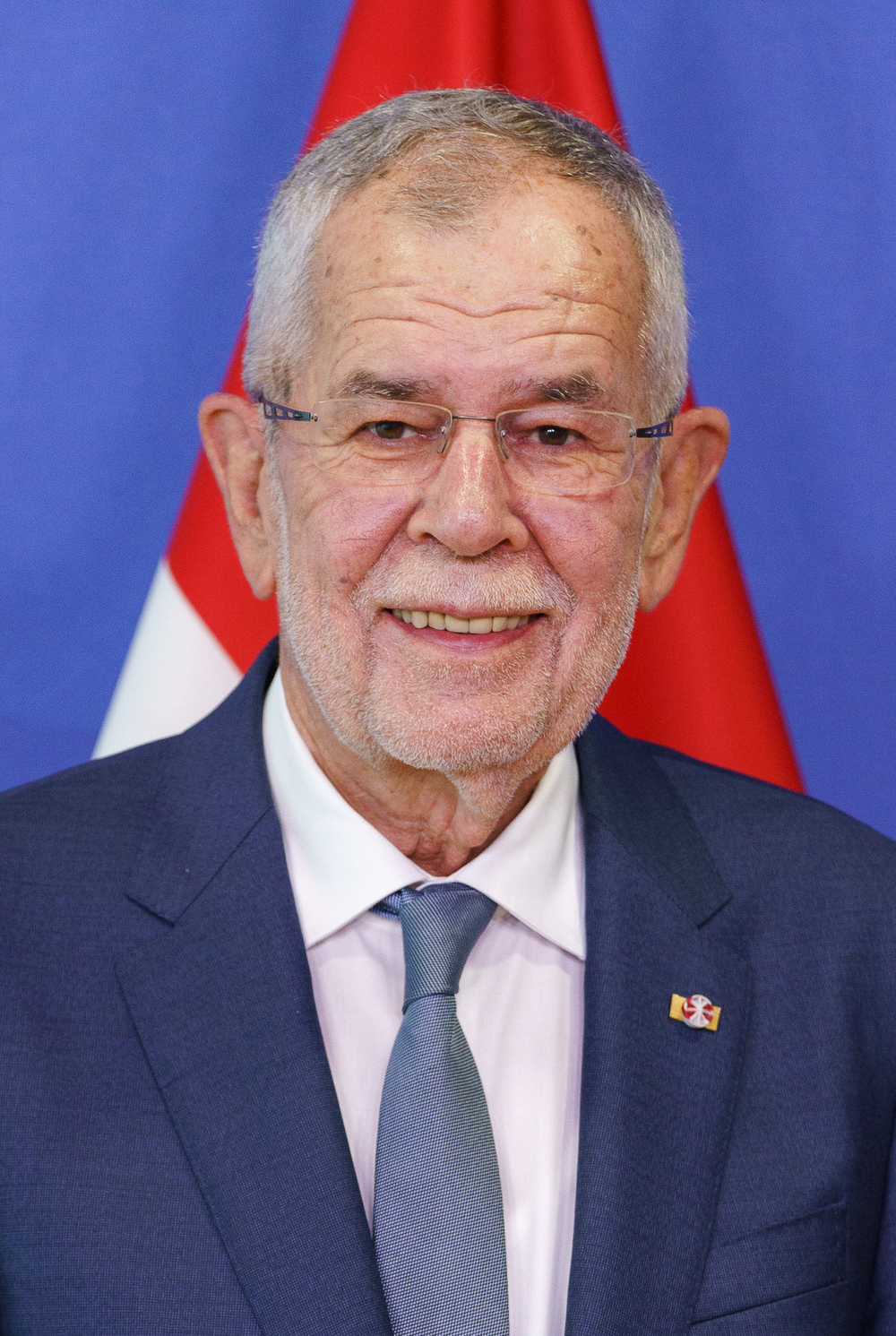
2015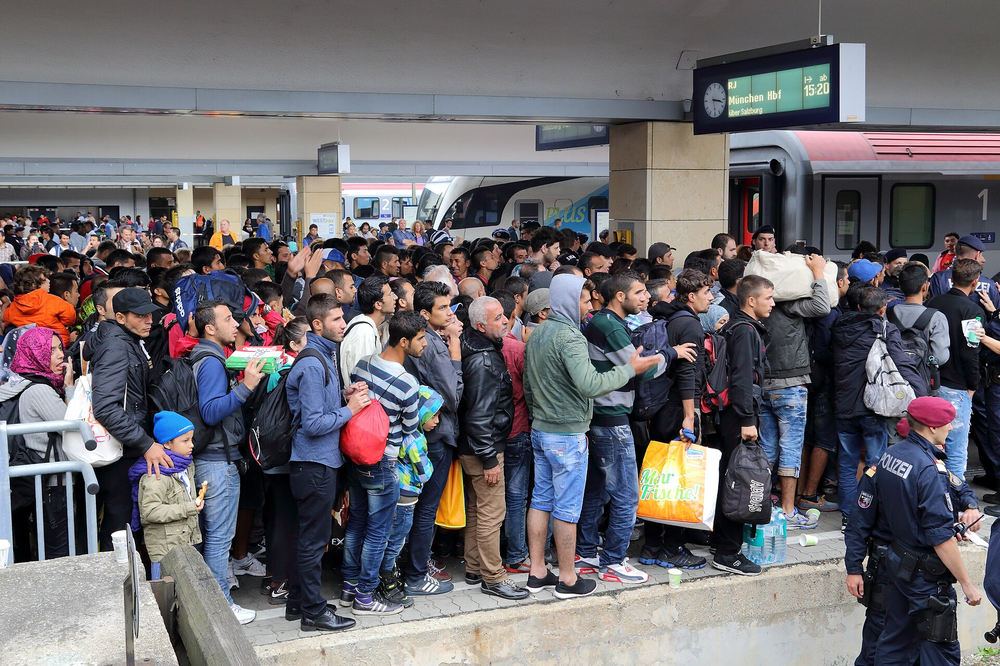
Austria implemented a cap on the influx of migrants and refugees due to the overwhelming number of asylum applications received in a single year. The country had received 90,000 asylum requests, leading to strained resources and public services. This move aimed to control the flow of migrants and ensure better integration opportunities for those already in the country.
The decision sparked mixed reactions, with some supporting the limitation as a measure to alleviate the pressure on the system, while others criticized it as a violation of humanitarian principles. The cap prompted debates on immigration policies within the European Union and raised concerns about the ability of countries to manage large numbers of arrivals effectively.
As a consequence of the imposed cap, there was a noticeable decrease in the number of new asylum seekers entering Austria. The government focused on improving integration efforts for existing migrants and refugees, aiming to create a more sustainable approach to migration in the country.
#Austria #MigrationCap #RefugeePolicy #IntegrationEfforts #EUImmigration #AsylumRequests
View details2008
In 2008, Austria co-hosted the UEFA European Football Championship with Switzerland. The tournament featured teams from across Europe competing for the prestigious title. Austria, with its modern stadiums and vibrant football culture, was a fitting host for the event.
The championship had a significant impact on Austria's economy, as thousands of fans traveled to the country, boosting tourism and local businesses. The event also brought international attention to Austria, showcasing its organizational capabilities and infrastructure.
Austria's national team, though not advancing far in the tournament, proudly represented the host country. The matches held in Austrian cities like Vienna and Innsbruck drew in large crowds, creating a festive atmosphere throughout the country.
The UEFA European Football Championship hosted by Austria in 2008 was a momentous occasion that united football fans from around the world in celebration of the sport. It highlighted Austria's ability to successfully organize such a large-scale sporting event and left a lasting impact on the country's reputation.
#Austria #UEFAEuro #FootballChampionship
View details1999
Austria adopted the Euro as its official currency, joining the Eurozone alongside 10 other European countries. The decision to switch from the Austrian Schilling to the Euro aimed to foster economic integration and facilitate trade within the European Union. This move brought about changes in daily transactions, prices, and financial systems across Austria.
With the introduction of the Euro, Austria experienced benefits such as increased price transparency, reduced currency exchange costs, and easier travel within the Eurozone. However, there were also challenges, including adjustments for businesses, consumers, and financial institutions to adapt to the new currency.
The adoption of the Euro marked a significant step in Austria's economic history, aligning the country closer with its European neighbors and strengthening economic ties within the union. It symbolized Austria's commitment to European unity and cooperation on a political and economic level.
Overall, the transition to the Euro had a lasting impact on Austria's economy and its position within the European Union, shaping the country's financial landscape and interactions with its European counterparts. #Austria #Euro #EconomicIntegration #EuropeanUnion
View details1995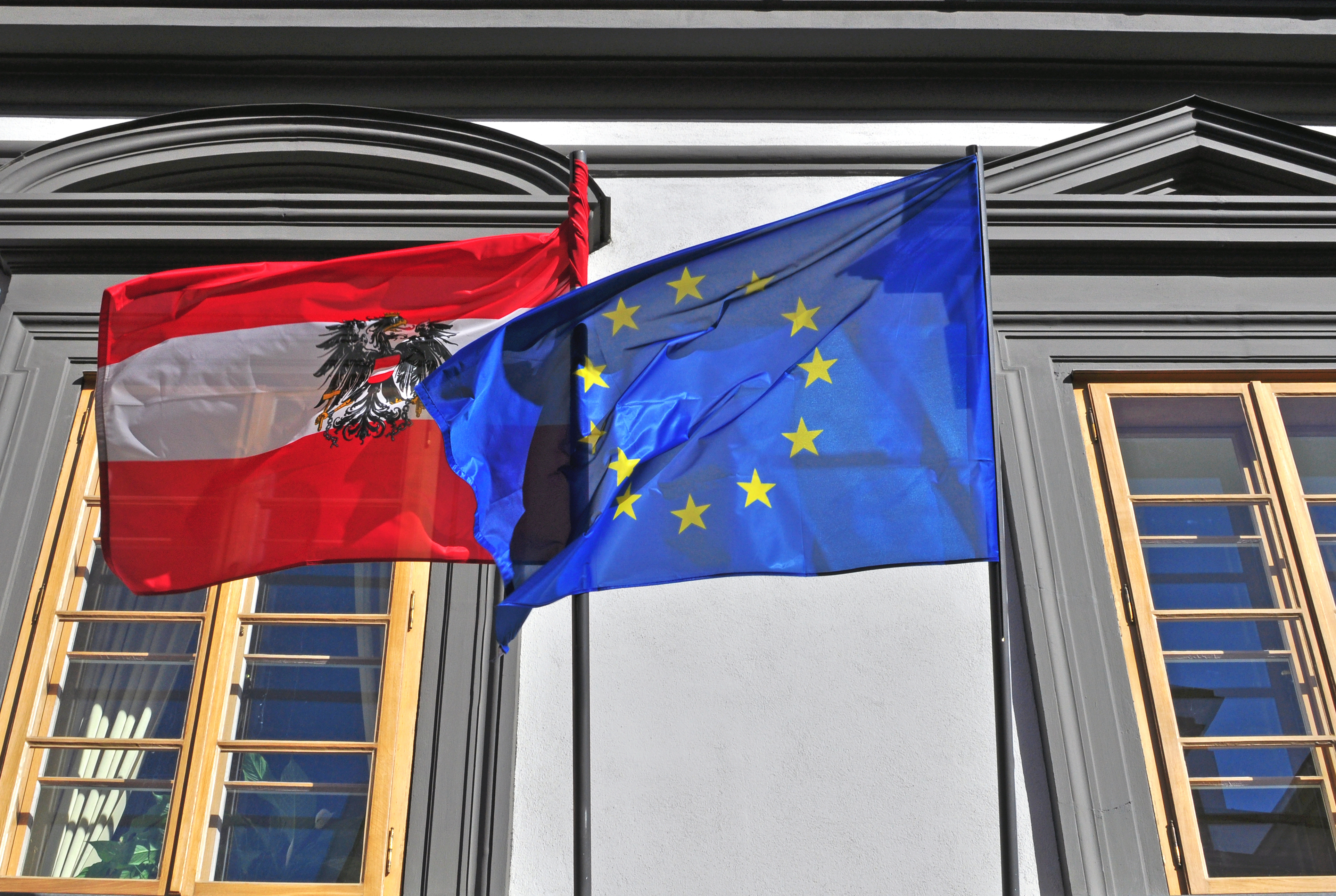
In 1995, Austria became a member of the European Union (EU) alongside Finland and Sweden. The integration of Austria into the EU marked a significant milestone in the country's history, opening up new opportunities for trade, cooperation, and economic growth.
Joining the EU meant that Austria had to align its policies with European standards and regulations, leading to changes in various sectors such as agriculture, environment, and trade. The free movement of goods, services, capital, and people within the EU presented new prospects for Austrian businesses and citizens.
The decision to join the EU was the result of Austria's aim to strengthen its position in the international community and foster closer ties with its European neighbors. By becoming a member, Austria gained access to the Single Market and the benefits of EU funding programs, which contributed to the country's overall development and prosperity.
The accession of Austria to the EU reflects the country's commitment to promoting peace, stability, and cooperation in Europe. It also signifies the willingness of Austria to be part of a larger union that works towards common goals and values.
#Austria #EuropeanUnion #Integration #Cooperation #EconomicGrowth
View details1955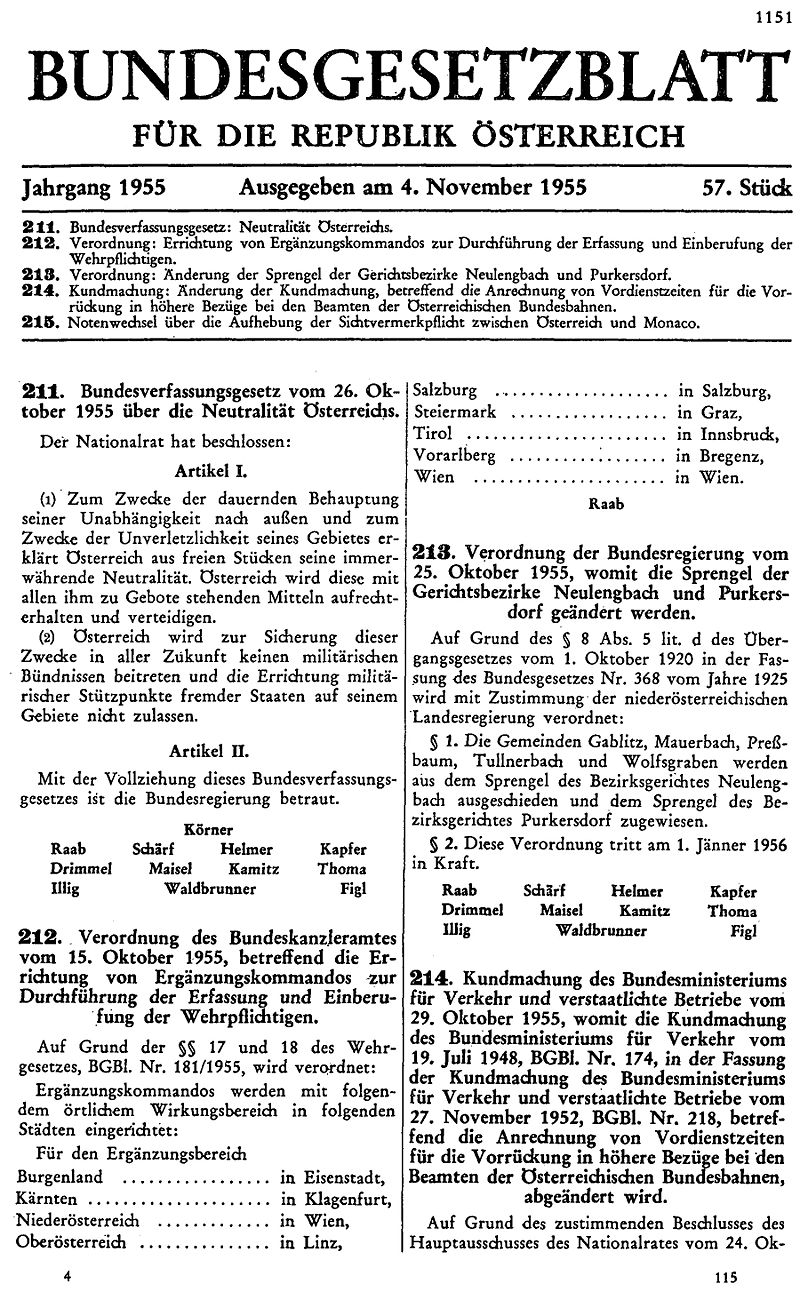
After World War II, Austria was occupied by the Allied forces including the United States, Soviet Union, United Kingdom, and France. The country was eventually granted independence in 1955 through the State Treaty, allowing Austria to become a neutral nation and paving the way for its membership in the United Nations.
Becoming a UN member granted Austria a platform to engage in global diplomacy, promote its neutrality policy, and contribute to international peace and security efforts. The country was able to participate in UN General Assembly meetings, peacekeeping missions, and various agencies and programs aimed at addressing global challenges.
Austria's membership in the UN signaled its commitment to upholding the principles of the organization, such as human rights, democracy, and the rule of law. It also provided Austria with opportunities to collaborate with other member states on issues of mutual interest and importance.
#Austria #UnitedNations #Neutrality #GlobalDiplomacy #PeacekeepingMission #InternationalRelations
View detailsFollowing years of occupation by allied forces after the end of World War II, Austria entered negotiations to regain its status as a sovereign state. The signing of the Austrian State Treaty marked the end of this transition period, solidifying Austria's independence and neutrality. The treaty was signed by representatives of the Allied powers and the Austrian government, formally recognizing Austria as a free and independent nation.
This event had a profound impact on Austria, as it brought an end to the post-war occupation and allowed the country to govern its affairs autonomously. The treaty also established Austria's commitment to neutrality, ensuring that the nation would not align itself with any military alliances.
The signing of the Austrian State Treaty was a turning point in Austrian history, symbolizing the country's re-emergence as a sovereign state on the world stage. It paved the way for Austria to rebuild and reassert its national identity after years of external control.
#AustrianStateTreaty #SovereignAustria #IndependenceDay #NeutralityAccord
View details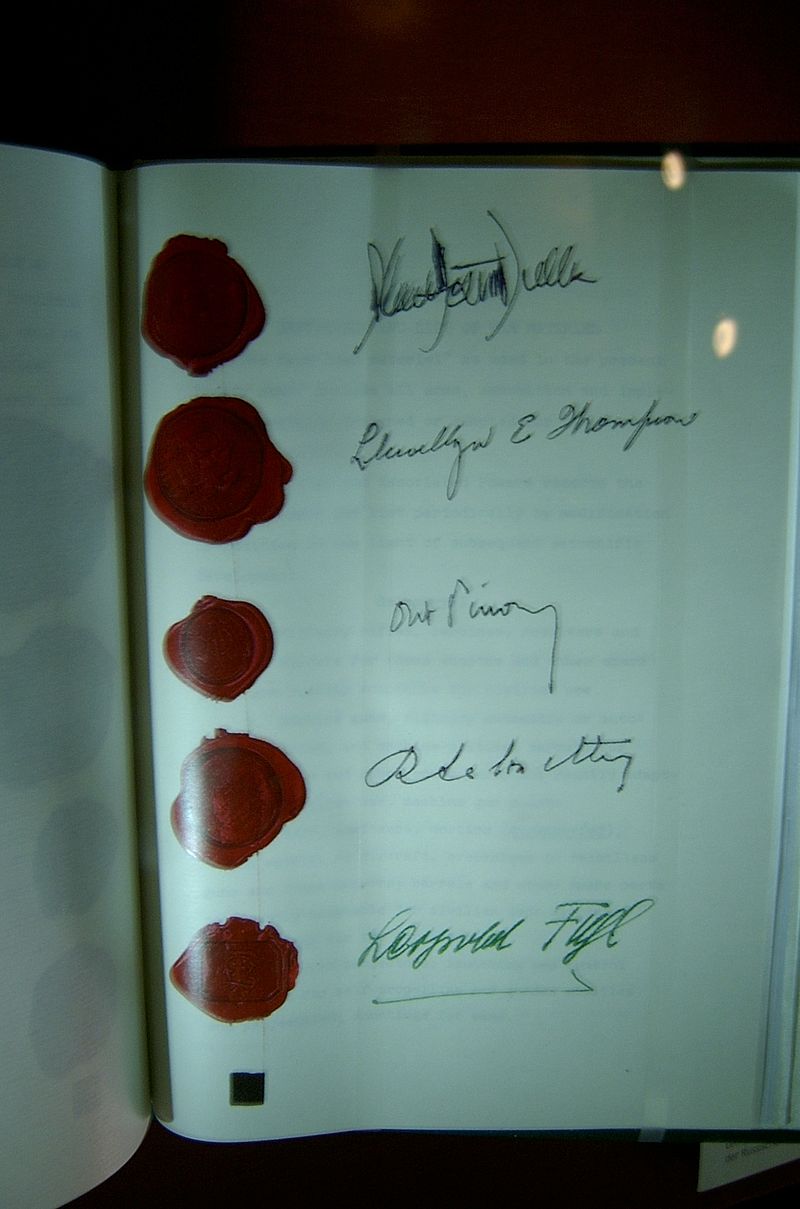
1945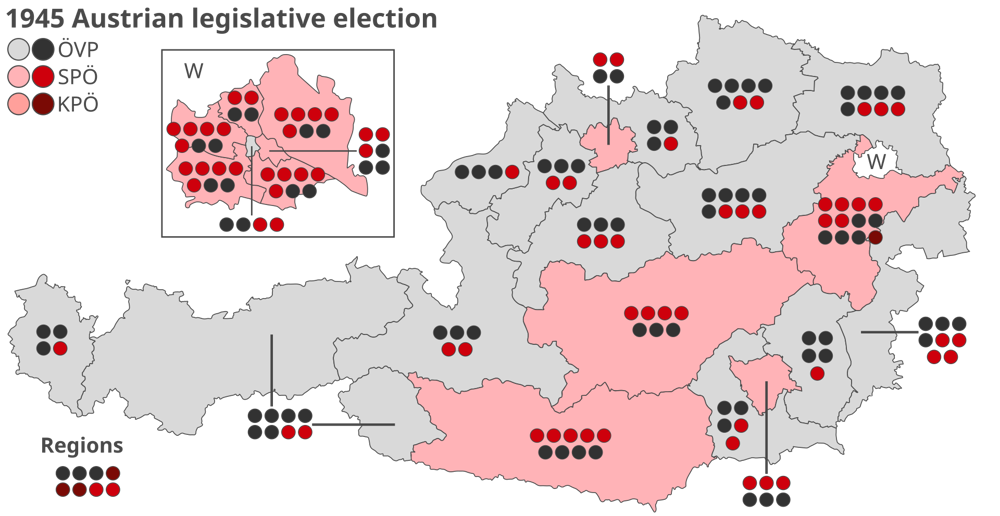
Following the end of World War II, Austria held its first free elections which marked a significant milestone in the country's history. With the war having left Austria occupied by Allied forces, these elections were pivotal in reestablishing a democratic government and allowing the Austrian people to choose their leaders freely.
The elections saw a high voter turnout as citizens eagerly cast their ballots, demonstrating their commitment to shaping the future of their nation. The results of the elections paved the way for the formation of a new government that would steer Austria towards recovery and reconstruction in the post-war era.
The event was a turning point for Austria as it transitioned from a war-torn nation to a fledgling democracy, setting the stage for its eventual reintegration into the international community. The successful conduct of the elections showcased Austria's resilience and determination to rebuild and move forward from the devastation of war.
#Austria #FreeElections #PostWarRecovery
View details1938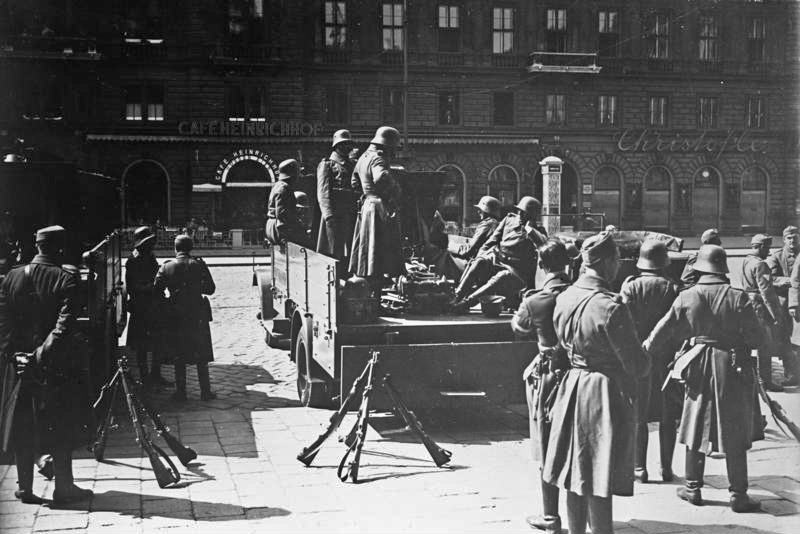
In 1938, Germany annexed Austria in a move known as the Anschluss. This event was a significant step in Adolf Hitler's ambition to expand German territory and unite all German-speaking people under one nation. The annexation was supported by many Austrians who embraced the idea of a Greater Germany. However, it was met with opposition from some who feared the loss of Austrian independence and identity.
The international community's response to the Anschluss was mixed. While some countries, like Italy, supported it, others, including Britain and France, protested against the violation of Austria's sovereignty. The annexation of Austria also heightened tensions in Europe and set the stage for further German aggression, eventually leading to the outbreak of World War II.
The impact of the Anschluss was profound and far-reaching. It marked a significant shift in the balance of power in Europe and demonstrated Hitler's willingness to use force to achieve his expansionist goals. The annexation of Austria also set a dangerous precedent for the subsequent invasions of Czechoslovakia and Poland, ultimately plunging the world into a devastating global conflict.
#Anschluss #Germany #Austria #WWII #Expansionism #Sovereignty
View details1914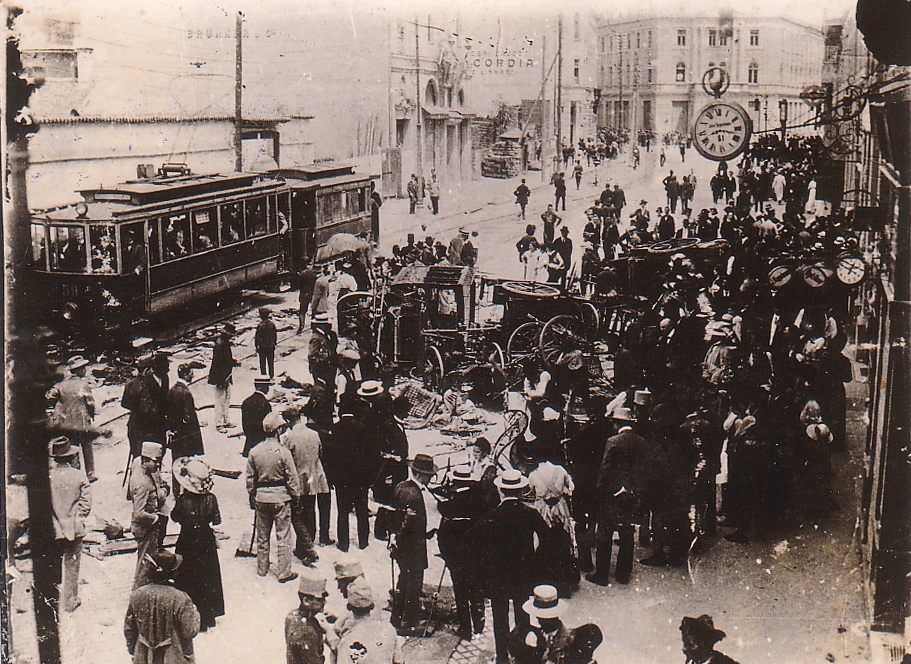
In Sarajevo, Archduke Franz Ferdinand of Austria was assassinated, sparking the onset of World War I. The Archduke's visit to Bosnia was met with opposition by Serbian nationalist groups seeking independence from Austria-Hungary. Gavrilo Princip, a member of the Black Hand secret society, seized the opportunity and fatally shot the Archduke and his wife. This event fueled tensions between Austria-Hungary and Serbia, ultimately leading to a series of political and military alliances being activated across Europe. The assassination acted as a catalyst for the already simmering political climate, escalating into a full-blown international conflict.
The assassination of Archduke Franz Ferdinand on that fateful day created a domino effect, triggering a complex web of alliances and declarations of war. It resulted in a devastating four-year war that involved major world powers and caused significant loss of life. The aftermath of World War I reshaped the geopolitical landscape of Europe and had far-reaching consequences for the global political order.
#ArchdukeFranzFerdinand #Assassination #WorldWarI #Sarajevo #Austria #HistoricEvent
View details1889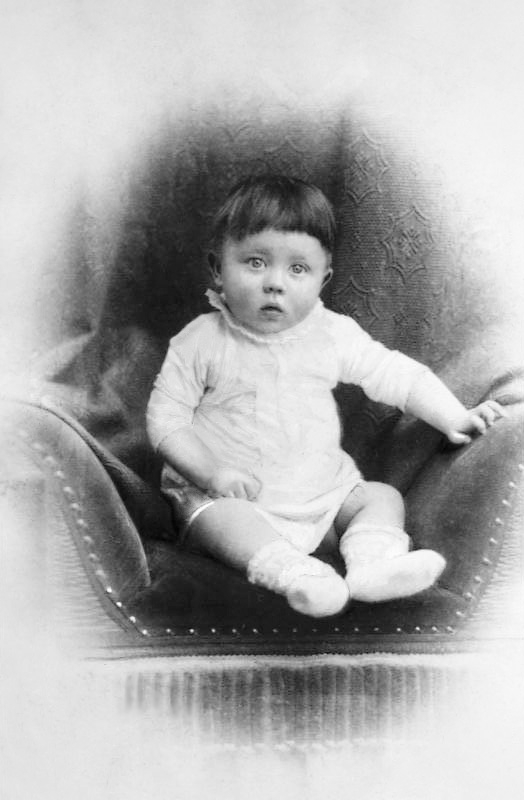
Adolf Hitler was born in Braunau, Austria, in April 1889. Raised in a middle-class family, Hitler showed an early interest in German nationalism and anti-Semitism. His formative years were marked by struggles which later influenced his radical ideologies.
Hitler's rise to power in Germany in the 1930s had a profound impact on world history. As the leader of the Nazi Party, he implemented policies that led to World War II and the Holocaust, resulting in the genocide of six million Jews. His rule unleashed atrocities and devastation across Europe, reshaping the geopolitical landscape for years to come.
The birthplace of Hitler in Braunau remains a controversial site, with ongoing debates about its preservation or demolition. The legacy of his ideologies continues to provoke discussions on the dangers of totalitarianism, bigotry, and extremist beliefs.
#AdolfHitler #Braunau #Austria #NaziParty #Holocaust #WorldWarII #Genocide #HistoryLessons
View details1867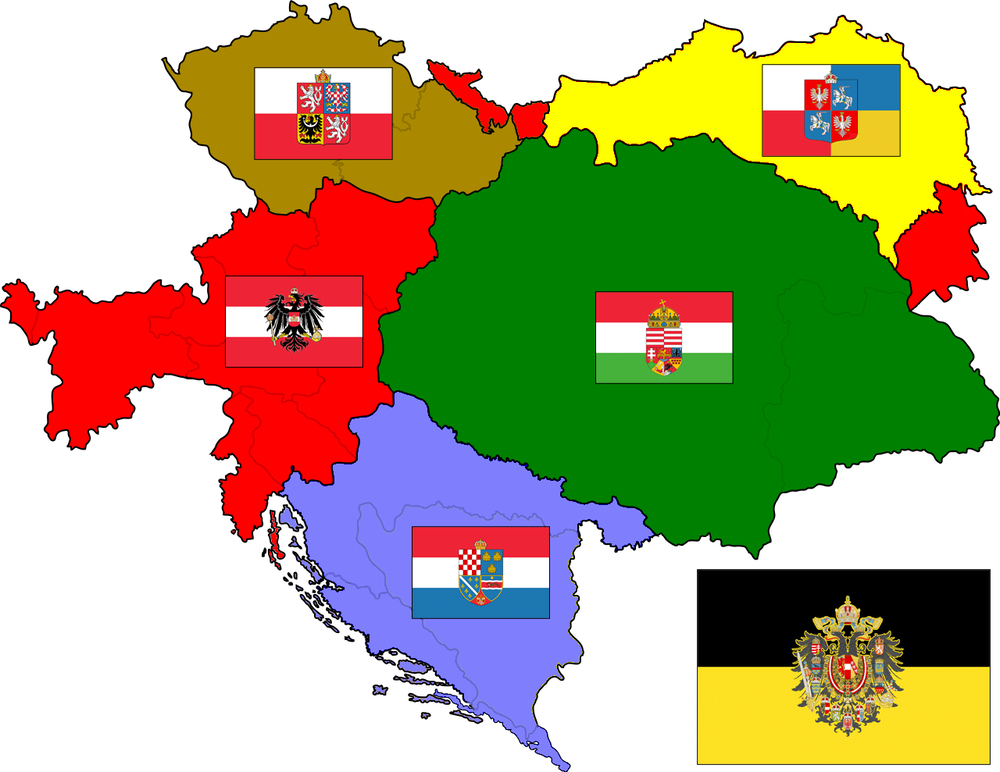
In 1867, the Dual Monarchy of Austria-Hungary was established, granting Hungary equal status within the empire. The background of this event lies in the Austro-Hungarian Compromise of 1867, a political agreement aimed at reconciling the interests of the Austrian Empire and the Kingdom of Hungary. The compromise resulted in the creation of a new political entity where Austria and Hungary were recognized as separate states with a shared monarch.
The impact of this establishment was significant as it marked a turning point in the history of the Austrian Empire and Hungary. Hungary gained more autonomy and control over its domestic affairs, including its own parliament, government, and administration. This move helped ease tensions within the empire and fostered a sense of national identity among the Hungarian population.
The Dual Monarchy of Austria-Hungary brought about a period of relative stability and prosperity, leading to economic development and cultural flourishing in the region. However, internal discontent and ethnic tensions would eventually contribute to the empire's dissolution following World War I.
#Austria #Hungary #AustroHungarianCompromise #DualMonarchy #Empire #Autonomy #Unity
View details1866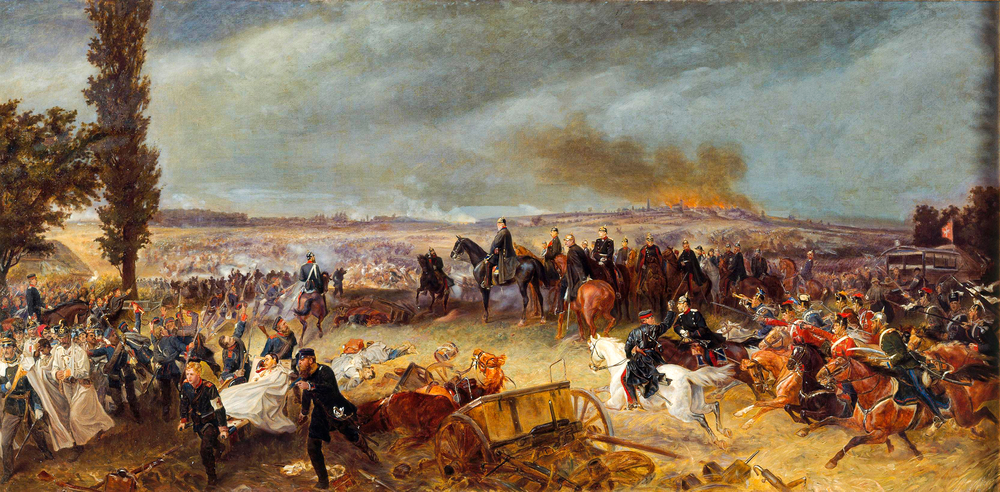
The Austro-Prussian War was a conflict between the Austrian Empire and the Kingdom of Prussia over dominance in the German states. Tensions had been escalating due to differing ideologies and aspirations for leadership in a unified Germany. The war ultimately resulted in a decisive victory for Prussia, solidifying its position as the leading power in the region and effectively ending Austrian influence in German affairs.
The impact of the Austro-Prussian War was significant, as it led to the dissolution of the German Confederation and the creation of the North German Confederation under Prussian leadership. This laid the groundwork for the eventual unification of Germany under Prussian hegemony. Additionally, the war highlighted the military prowess of Prussia, particularly its effective use of modern warfare tactics and technology.
Overall, the Austro-Prussian War was a pivotal moment in the history of Germany, marking the beginning of Prussia's ascendance and the decline of Austrian power in the region. The effects of this conflict reverberated throughout Europe and set the stage for further power struggles and realignments in the years to come. #AustroPrussianWar #PrussianVictory #GermanUnification
View details1848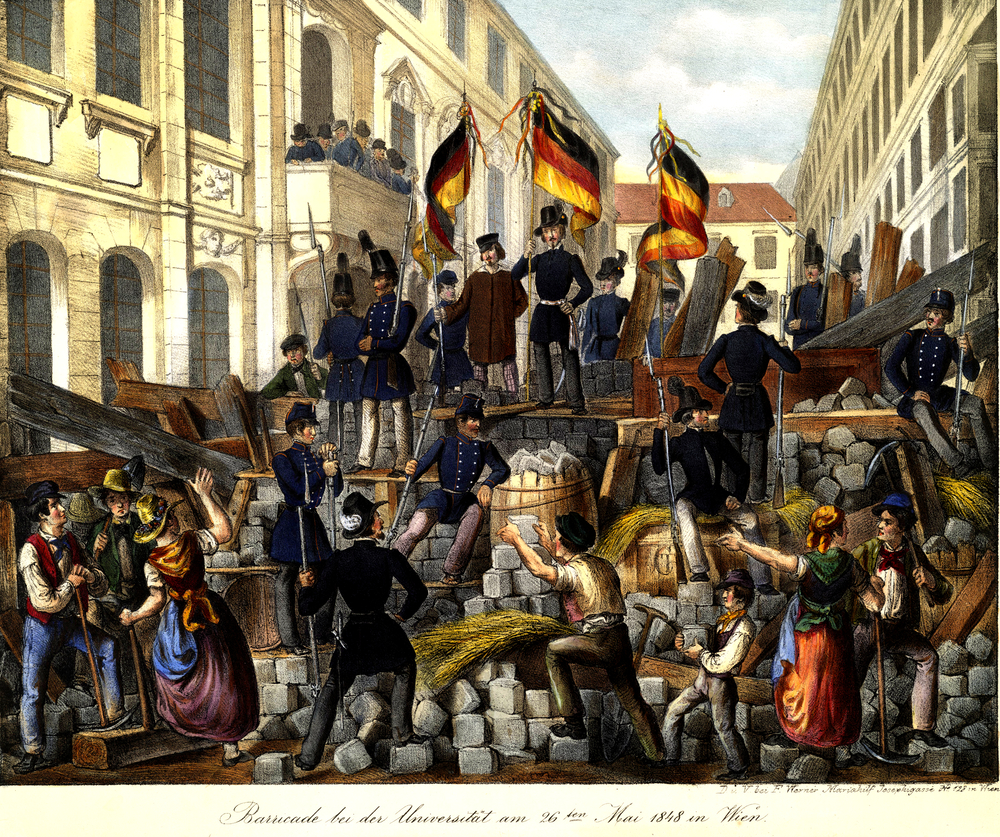
In 1848, widespread uprisings occurred across Europe, including in Austria, marking the Revolutions of 1848. The backdrop was a period of social unrest, economic hardship, and calls for political reform. In Austria, people demanded constitutional government, national autonomy, and an end to feudal privileges.
The impact of the revolutions in Austria was significant. The Habsburg monarchy faced challenges to its authority, with uprisings erupting in cities such as Vienna, Budapest, and Prague. The demands for reform and liberalization posed a threat to the conservative establishment.
The revolutions ultimately led to the resignation of Prince Metternich, the conservative statesman who had wielded significant power for decades. The events of 1848 paved the way for the promulgation of a constitution in Austria and the granting of certain civil liberties.
The Revolutions of 1848 in Austria reflected broader movements for change sweeping across Europe during that time, with people advocating for political participation, national sovereignty, and social equality. Despite the eventual restoration of order by the Habsburg monarchy, the events of 1848 left a lasting impact on Austrian society and politics.
#RevolutionsOf1848 #Austria #PoliticalReform #HabsburgMonarchy #ConstitutionalGovernment
View details1814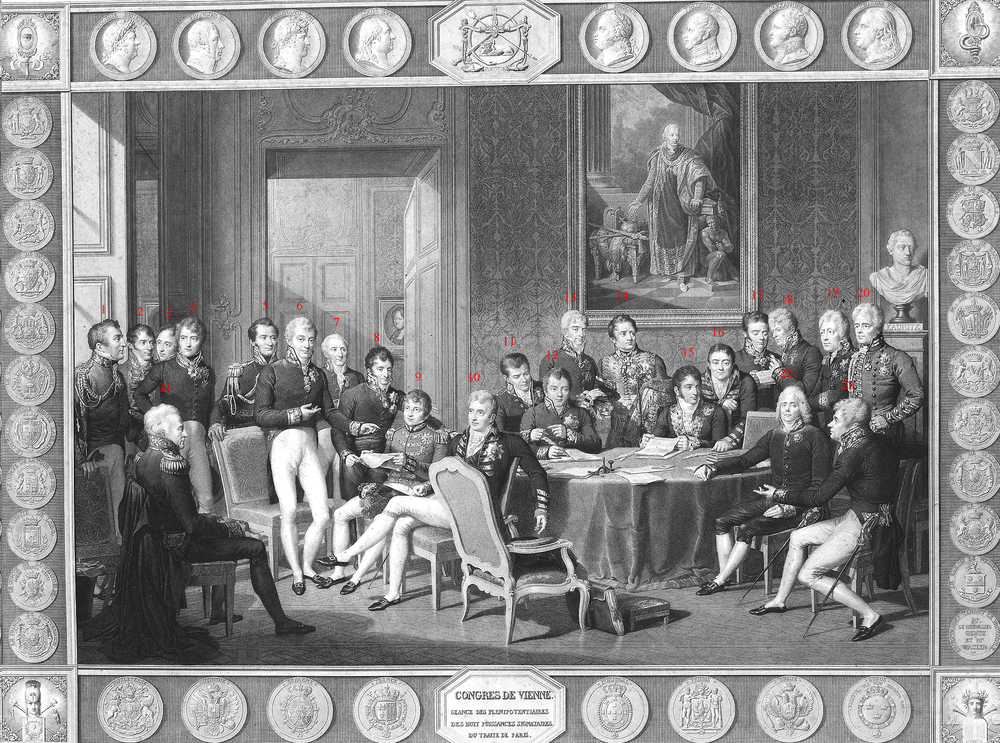
The Congress of Vienna was a gathering of European diplomats and leaders to reorganize the continent after the Napoleonic Wars. Hosted in Austria, the event aimed to establish a new balance of power, prevent future conflicts, and restore monarchies. Led by Austrian Foreign Minister Klemens von Metternich, the Congress redrew borders, returned territories to nations, and created the Concert of Europe for ongoing cooperation. The decisions made during the Congress of Vienna reshaped Europe and set the stage for peace and stability for decades. It emphasized diplomacy, negotiation, and consensus-building, setting a precedent for future international conferences. Austria emerged as a key player in shaping the future of Europe, positioning itself as a mediator and influential power. The principles of legitimacy, compensation, and balance of power were enshrined as guiding principles in European relations thereafter. The Congress of Vienna's impact extended beyond its time, serving as a model for resolving conflicts and establishing international order. #CongressofVienna #Austria #EuropeanDiplomacy #BalanceofPower #Peacekeeping
View details1805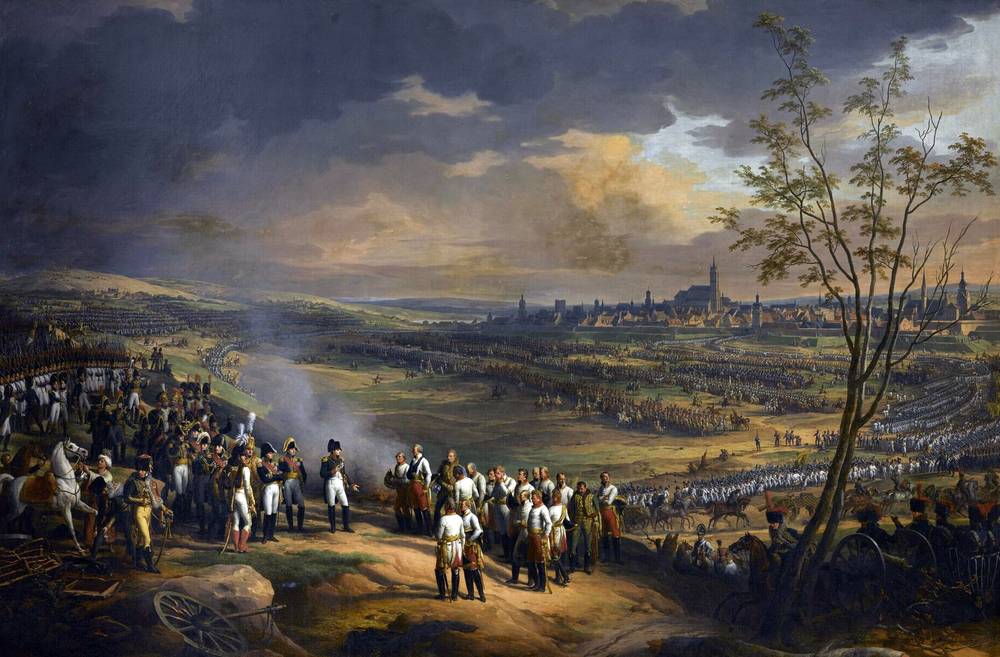
The Battle of Austerlitz, also known as the Battle of the Three Emperors, was a significant military engagement during the Napoleonic Wars. It took place near the town of Austerlitz in the Austrian Empire. The French army, led by Emperor Napoleon Bonaparte, faced the combined forces of the Austrian Empire and the Russian Empire. Despite being outnumbered, Napoleon strategically outmaneuvered the enemy troops, leading to a decisive victory for the French.
The aftermath of the Battle of Austerlitz had a profound impact on the European political landscape. The Austrian Empire was forced to sign the Treaty of Pressburg, which resulted in significant territorial losses and a shift in power dynamics within Europe. The defeat also led to the dissolution of the Holy Roman Empire and marked the decline of the Austrian influence in the region.
The Battle of Austerlitz showcased Napoleon's military genius and solidified his reputation as one of history's greatest military commanders. It is often regarded as one of his most impressive victories and a turning point in the Napoleonic Wars.
#BattleOfAusterlitz #NapoleonicWars #EmperorNapoleon #AustrianEmpire
View detailsDuring the Battle of Günzburg, a French force successfully seized control of a crucial Danube river crossing at Günzburg. The Austrian forces made multiple attempts to recapture the strategic position but suffered severe losses in the process. Ultimately, faced with heavy casualties, the Austrian forces were forced to retreat from the area.
The outcome of the battle had a significant impact on the overall military strategy in the region. The French control of the river crossing at Günzburg provided them with a key advantage in terms of transportation and communication, strengthening their position in the ongoing conflict with the Austrian forces.
This event highlighted the effectiveness of the French military tactics and leadership at the time, further solidifying their reputation as a formidable force in the region. On the other hand, the Austrian forces were left reeling from the defeat, facing challenges in regrouping and mounting a successful counterattack.
#BattleofGünzburg #FrenchVictory #AustrianDefeat #DanubeRiverCrossing #MilitaryHistory
View details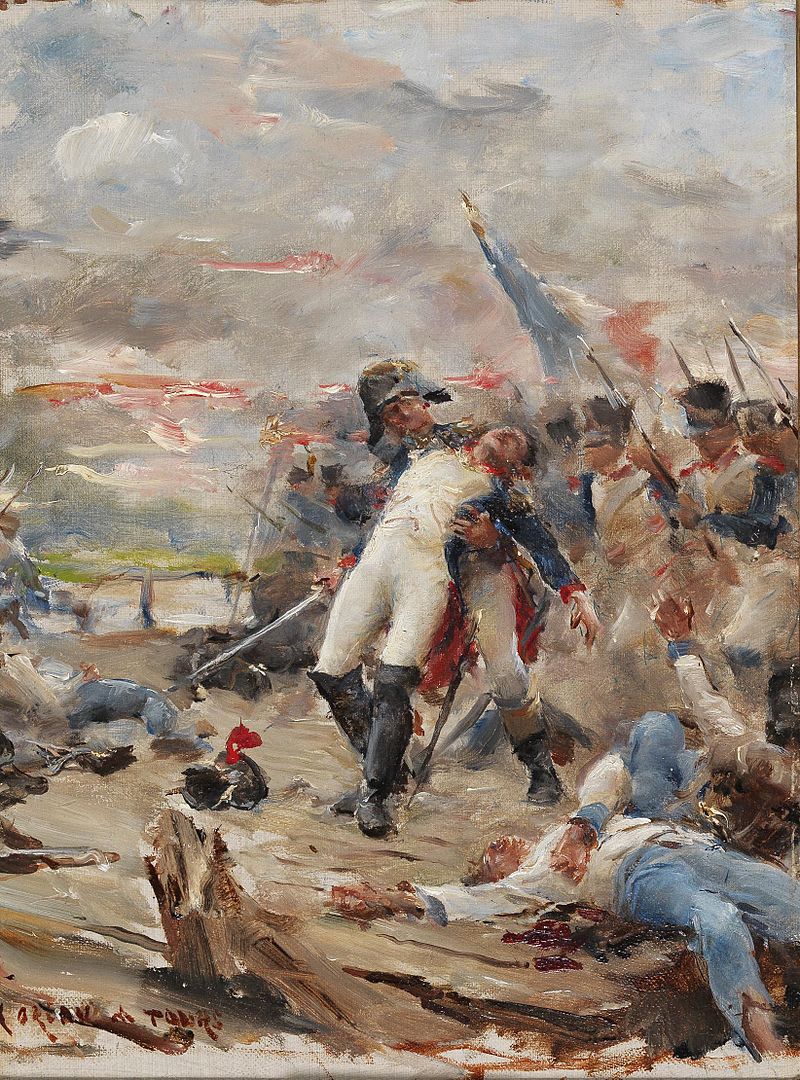
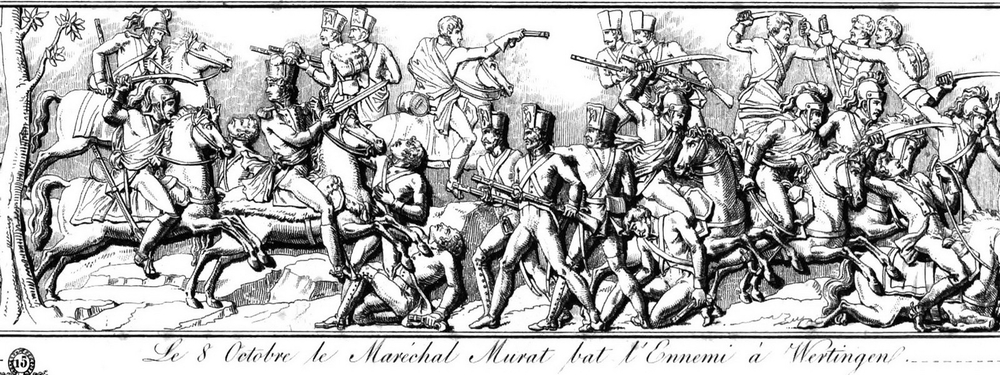
In the Battle of Wertingen, a French army launched a surprise attack on a smaller Austrian force stationed at Wertingen. The French troops, led by Marshal Michel Ney, caught the Austrians off guard, resulting in a swift and decisive victory for the French. The Austrian soldiers, commanded by General Johann Sigismund Riesch, were outnumbered and outmaneuvered, leading to heavy casualties and the surrender of a significant portion of their army.
The outcome of the battle significantly weakened the Austrian position in the region, allowing the French to advance further into Austrian territory. The defeat at Wertingen also had broader implications for the ongoing Napoleonic Wars, as it showcased the tactical superiority of the French forces under Napoleon Bonaparte's command.
The Battle of Wertingen exemplifies the ruthless efficiency of Napoleonic warfare, where strategic surprise and swift mobilization could tip the scales in favor of the aggressor. It also underscores the challenges faced by the Austrian military in countering the French invasion and highlights the shifting power dynamics in Europe during this period of conflict.
#BattleofWertingen #FrenchArmy #AustrianForce #NapoleonicWars #MilitaryHistory #EuropeanConflict
View details