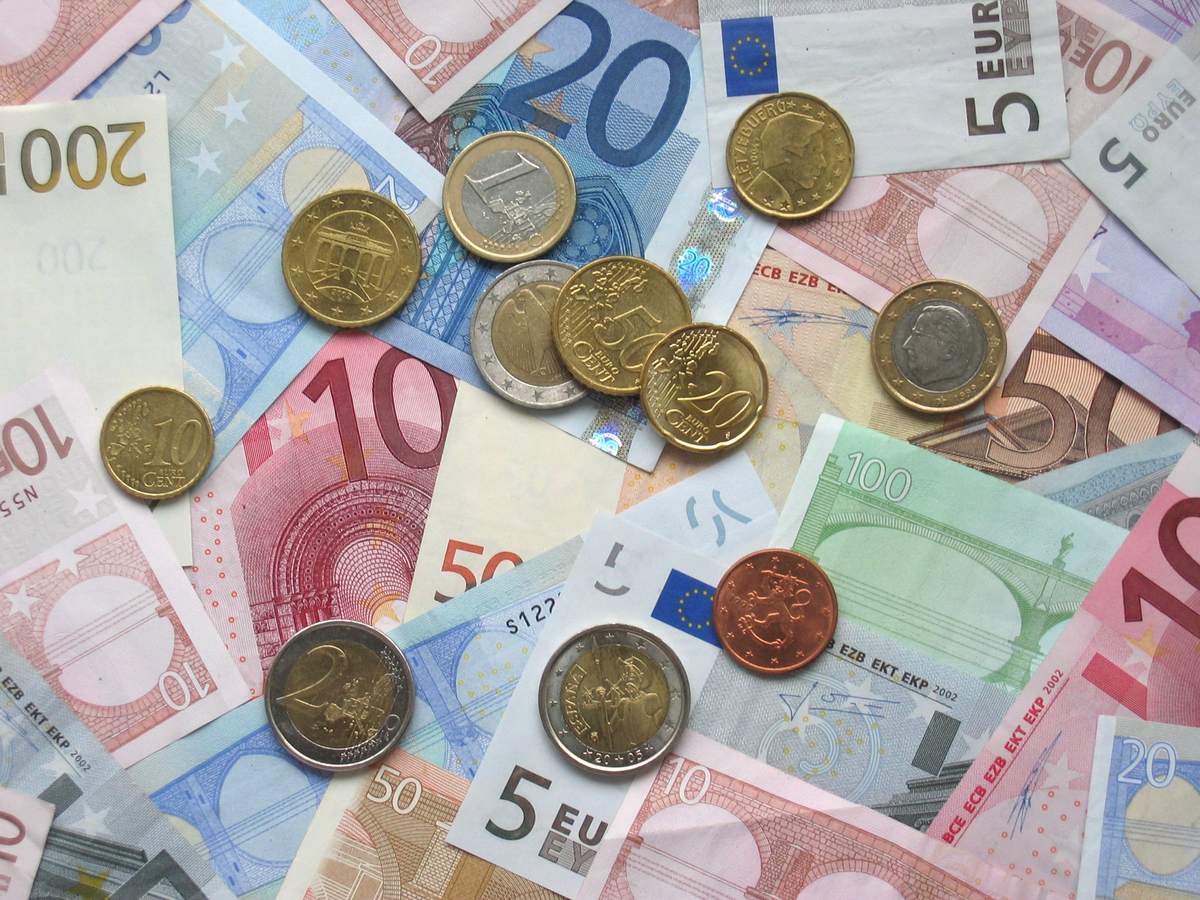
Austria's transition to the Euro currency impacts its monetary system and economic landscape significantly.
Austria

Economic Integration
European Union
3 min read
Updated By: History Editorial Network (HEN)
Published:
Austria adopted the Euro as its official currency, joining the Eurozone alongside 10 other European countries. The decision to switch from the Austrian Schilling to the Euro aimed to foster economic integration and facilitate trade within the European Union. This move brought about changes in daily transactions, prices, and financial systems across Austria.
With the introduction of the Euro, Austria experienced benefits such as increased price transparency, reduced currency exchange costs, and easier travel within the Eurozone. However, there were also challenges, including adjustments for businesses, consumers, and financial institutions to adapt to the new currency.
The adoption of the Euro marked a significant step in Austria's economic history, aligning the country closer with its European neighbors and strengthening economic ties within the union. It symbolized Austria's commitment to European unity and cooperation on a political and economic level.
Overall, the transition to the Euro had a lasting impact on Austria's economy and its position within the European Union, shaping the country's financial landscape and interactions with its European counterparts. #Austria #Euro #EconomicIntegration #EuropeanUnion

Explore the Life Moments of
 AI Twin