Şehzade Mustafa: Victim of Royal Betrayal in Ottoman Empire Struggles
Turkey
Political
Betrayal
3 min read
Updated By: History Editorial Network (HEN)
Published:
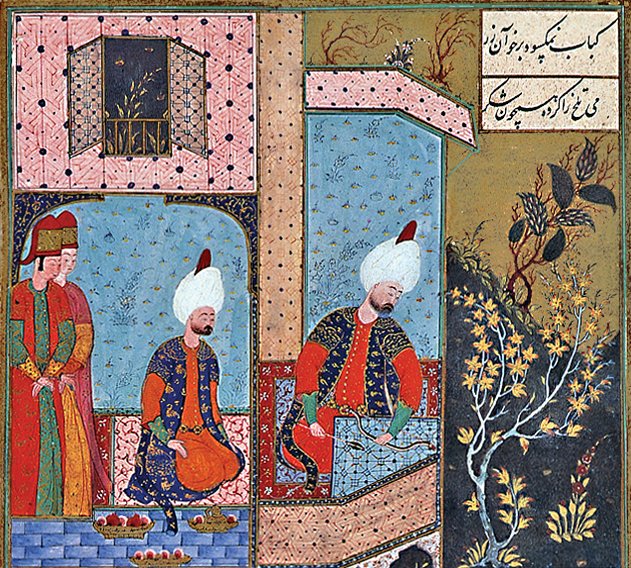
During the Persian campaign, power struggles intensified within the Ottoman Empire. Şehzade Mustafa, the eldest son of Sultan Suleiman the Magnificent, found himself at the center of political machinations. His growing popularity and proven military prowess rendered him a threat to other power-seeking factions within the empire. Grand Vizier Rüstem Pasha played a pivotal role in orchestrating intrigues against Mustafa, capitalizing on Sultan Suleiman's concerns about potential uprisings.
Rüstem Pasha leveraged his influence and connections to disseminate rumors casting doubts on Mustafa's loyalty. He painted a picture of the prince as overly ambitious, insubordinate, and a possible usurper of the throne. Rüstem Pasha's allegations included fabricated evidence and testimonies, aimed at sowing distrust between father and son.
This campaign of misinformation had profound implications for the stability and internal dynamics of the Ottoman leadership. Sultan Suleiman, already wary of threats to his rule, became more susceptible to these claims. This period marked the beginning of a series of events that pushed the empire towards internal conflict and familial strife, which ultimately led to Mustafa's execution. This court intrigue exemplified the lethal consequences of political maneuvering and betrayal at the highest echelons of power.
#OttomanEmpire #SuleimanTheMagnificent #RüstemPasha #ŞehzadeMustafa #PersianCampaign #PoliticalIntrigue #MoofLife
Primary Reference
Historicizing Sunni Islam in the Ottoman Empire, c. 1450–c. 1750
Explore the Life Moments of
 AI Twin