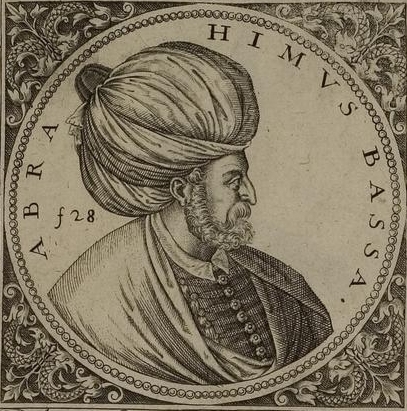
Fall of Ibrahim Pasha: Rise, Betrayal, and Execution in Ottoman Court
Turkey
Political
4 min read
Updated By: History Editorial Network (HEN)
Published:
Ibrahim Pasha, a trusted advisor and friend of Sultan Suleiman the Magnificent, met his end when he was executed on the Sultan's orders after a prolonged period marked by suspicion and political rivalry. Ibrahim Pasha's rise to power was meteoric; he initially served as a slave and eventually became the Grand Vizier, wielding immense influence over the empire's politics and military.
Throughout his tenure, Ibrahim Pasha's power seemingly eclipsed all others, causing unease among other officials and even Suleiman himself. His ambitions and actions began to create factions within the Ottoman court, contributing to an increasingly volatile political environment. Allegations of disloyalty and misuse of power began to circulate, further compounding the mistrust.
Despite their close bond, Suleiman started to question Ibrahim's loyalty. Heightened suspicion and pressure from political opponents intensified Suleiman's doubts. The Sultan's decision to eliminate Ibrahim Pasha was likely influenced by a combination of political pragmatism and personal betrayal. The execution marked an end to one of Suleiman's most complex relationships and a critical moment in his reign.
The impact of Ibrahim Pasha's death was significant. It not only reconfigured the power dynamics within the Ottoman Empire but also served as a stern reminder of the precarious nature of courtly favor and power. The move underscored Suleiman's resolve to maintain control and prevent any potential threats to his authority.
#MoofLife #OttomanEmpire #SuleimanTheMagnificent #PoliticalRivalry #IbrahimPasha
Primary Reference
Suleiman the Magnificent - Wikipedia
Explore the Life Moments of
 AI Twin