Tragic loss of Şehzade Mahmud: implications for succession and politics in Ottoman court.
Turkey

Political
4 min read
Updated By: History Editorial Network (HEN)
Published:
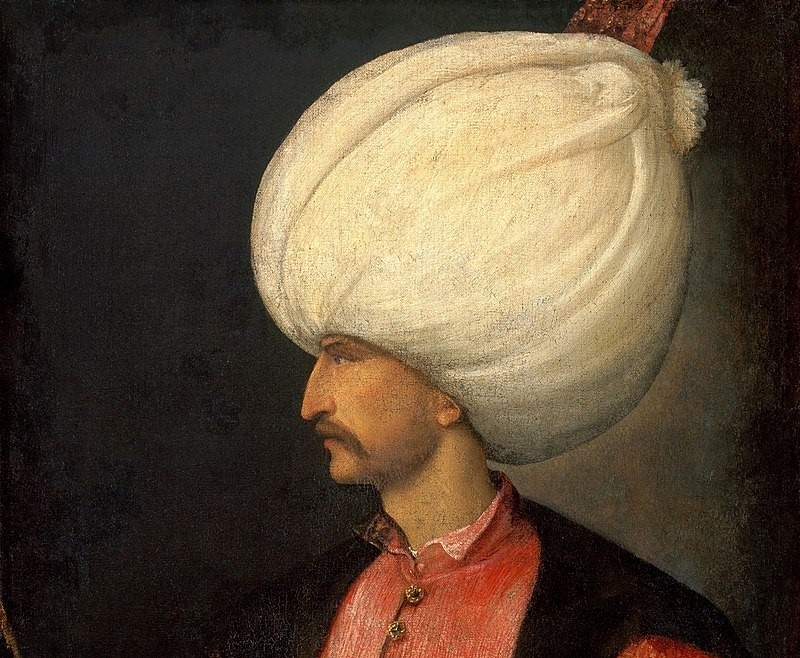
Şehzade Mahmud, the son of Sultan Suleiman and Mahidevran, was born and died on the same day in the early 16th century. Suleiman, who would later be known as Suleiman the Magnificent, was at the beginning stages of his reign as the Sultan of the Ottoman Empire. His son Mahmud's birth and death occurred during a period of consolidation of power for Suleiman, who was focusing on both internal stability and external expansion.
Mahidevran, one of Suleiman's consorts, faced the dual extremes of elation and grief in a matter of hours. The loss of an heir had significant repercussions not only for the royal family but also for the Ottoman court, where securing the line of succession was a matter of immense importance. The death of Mahmud placed more pressure on Suleiman and Mahidevran to produce surviving male heirs, given the crucial role of male lineage in ensuring the stability and legitimacy of the Sultanate.
The incident underscored the fragility of succession in royal families and had profound implications for the members of the Ottoman court. The sad event might have added to the psychological and emotional burdens of Suleiman and Mahidevran, influencing their future decisions and relationships within the harem and with their other children. This tragedy was a personal loss for the royal couple but also affected the political maneuverings within the palace, as other potential heirs and their factional supporters vied for influence.
#MoofLife, #OttomanHistory, #SuleimanTheMagnificent, #RoyalSuccession
Primary Reference
Suleiman the Magnificent - Wikipedia
Explore the Life Moments of
 AI Twin