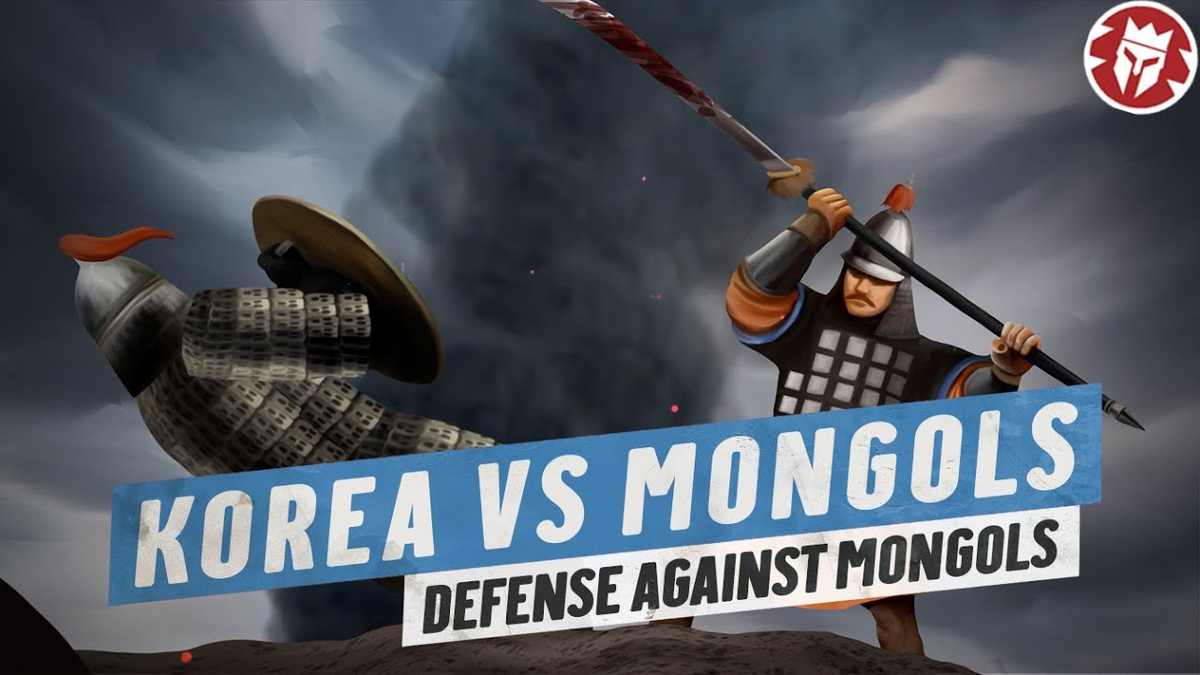
End of Mongol invasion campaign in Korea
South Korea
Political
War
MongolInvasion
4 min read
Updated By: History Editorial Network (HEN)
Published:
During the Mongol invasion of Korea, led by Kublai Khan, the Korean peninsula faced years of destruction and turmoil. The Mongol forces, with their superior military strength, targeted Goryeo, the ruling dynasty at the time. Goryeo put up a resilient defense against the invaders, leading to a prolonged conflict. However, after years of bloodshed and battles, Goryeo eventually negotiated a peace treaty, bringing an end to the Mongol invasion. This marked a crucial moment for Korea, as it regained its sovereignty and independence.
The impact of the Mongol invasion on Korea was profound. The invasion caused widespread devastation, loss of life, and displacement of communities. The Korean economy suffered greatly, infrastructure was destroyed, and cultural heritage was at risk. The invasion also left a lasting impact on Korean society, shaping its history and future interactions with neighboring powers. The end of the Mongol invasion allowed Korea to rebuild and strengthen its defenses against potential threats, ensuring its autonomy and security.
The conclusion of the Mongol invasion of Korea brought a sense of relief and hope for the Korean people. It was a turning point in their history, demonstrating their resilience and determination to defend their homeland. The peace treaty with the Mongols paved the way for a period of stability and reconstruction in Korea, enabling the country to focus on rebuilding its economy and society. The Korean people celebrated the end of the invasion as a victory for their nation and a symbol of their enduring spirit.
#MongolInvasion #KoreanHistory #IndependenceMovement

Explore the Life Moments of
 AI Twin