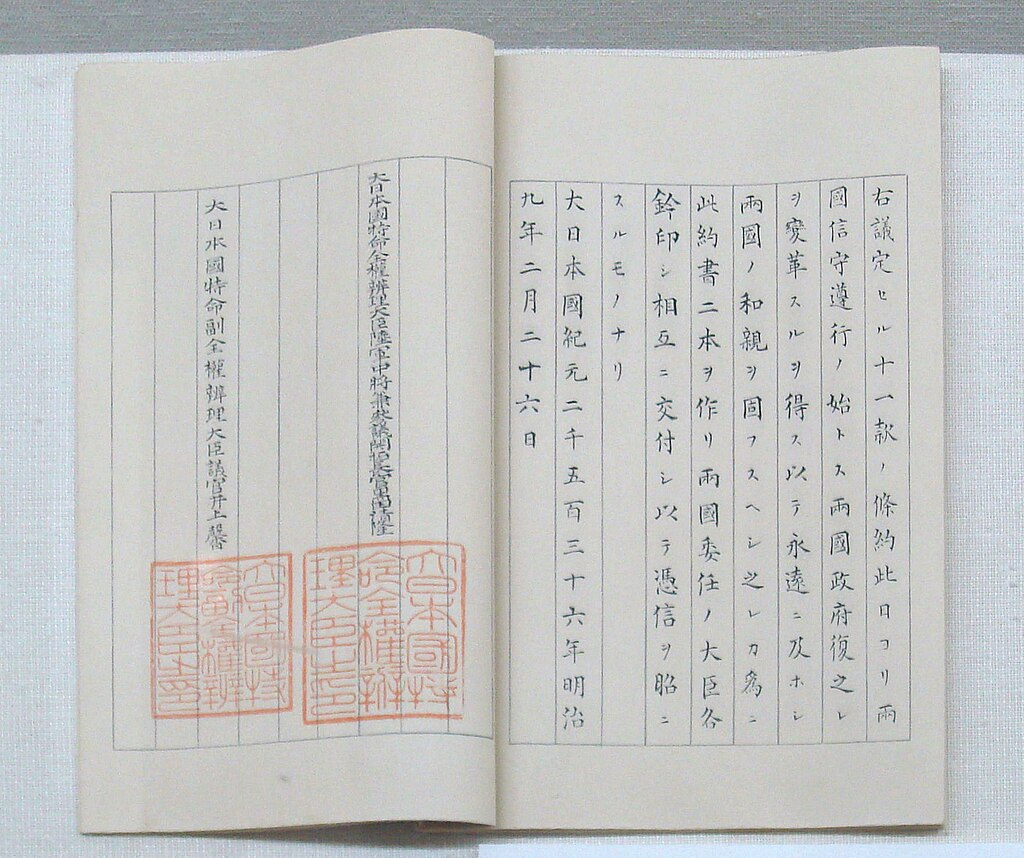
Port Opening in Busan and Incheon for Foreign Trade
South Korea
Global Trade
Economic Growth
3 min read
Updated By: History Editorial Network (HEN)
Published:
In the late 19th century, South Korea opened the ports of Busan and Incheon to foreign trade after facing pressure from Western powers. The country's leaders realized the necessity of engaging in international trade to stimulate economic growth and modernize the nation.
The decision to open the ports had a profound impact on South Korea's economy. It allowed for the influx of goods, technology, and ideas from around the world, leading to increased commercial activities and industrial development. Foreign trade opened up new opportunities for South Korean merchants to establish connections with international markets, fostering economic growth and prosperity.
The opening of the ports also facilitated cultural exchange and technological advancement. Western influences began to permeate South Korean society, contributing to the modernization of infrastructure, education, and governance. Foreign experts and advisors were brought in to help introduce modern practices and technologies, further propelling the country towards modernity.
The event marked a pivotal moment in South Korea's history, signaling its transition from a closed society to an open and globally connected nation. The decision to open the ports of Busan and Incheon ushered in a new era of economic prosperity and cultural dynamism, laying the foundation for South Korea's future as a key player in the global economy.
#SouthKorea #PortOpening #EconomicGrowth #Modernization

Explore the Life Moments of
 AI Twin