Spiš Castle: Construction of a Central European Fortress
Slovakia
Monuments
Military Strategy
5 min read
Updated By: History Editorial Network (HEN)
Published:
In the early 12th century, the construction of Spiš Castle was initiated, marking a pivotal moment in the history of what is now modern-day Slovakia. Situated on a strategic hilltop, the castle's construction aimed to fortify the Kingdom of Hungary's northern border. The initiative was spurred by the necessity for defense against potential invasions, as well as to establish a stronghold that could serve administrative purposes.
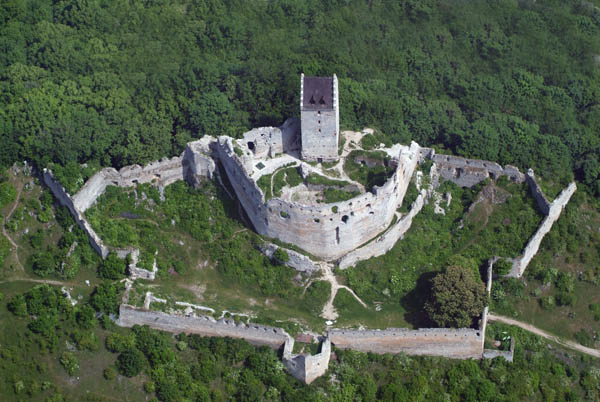
Spiš Castle, which sprawls over four hectares, quickly became one of the largest castles in Central Europe. Built predominantly of stone, its architecture was designed to endure sieges and incursions. The castle complex featured fortifications including a central keep, residential quarters, and defensive walls. Over subsequent centuries, expansions and enhancements contributed to its formidable structure, incorporating Romanesque and later Gothic elements.
The castle played a crucial role in regional governance, serving as the administrative center for the Spiš region. It exerted economic and political influence over the surrounding territories and facilitated control over vital trade routes passing through the area. The land surrounding the castle supported agricultural activities that sustained the local populace and garrison.
One of the most significant impacts of Spiš Castle was its role in strategic military defense. During numerous conflicts throughout the medieval period, including Mongol invasions, the castle provided a refuge and a martial base. Its prominent location made it a crucial defensive bastion for the Kingdom of Hungary, shaping the political landscape of the region.
In later years, Spiš Castle witnessed several periods of decline and restoration. Fires and battles led to partial destruction, but restoration efforts, especially in the 20th century, helped preserve its historical significance. Today, the castle stands as a monument and is a recognized UNESCO World Heritage site, drawing visitors and scholars interested in medieval history and architecture.
This event exemplifies the intersection of military strategy, architectural ingenuity, and regional governance in Central Europe's medieval history. It underscores the importance of strategic fortifications in shaping the region's history and development.
#MoofLife #SpišCastle #MedievalHistory #ArchitecturalHeritage #Slovakia #UNESCO #HistoricalMonuments

Explore the Life Moments of
 AI Twin