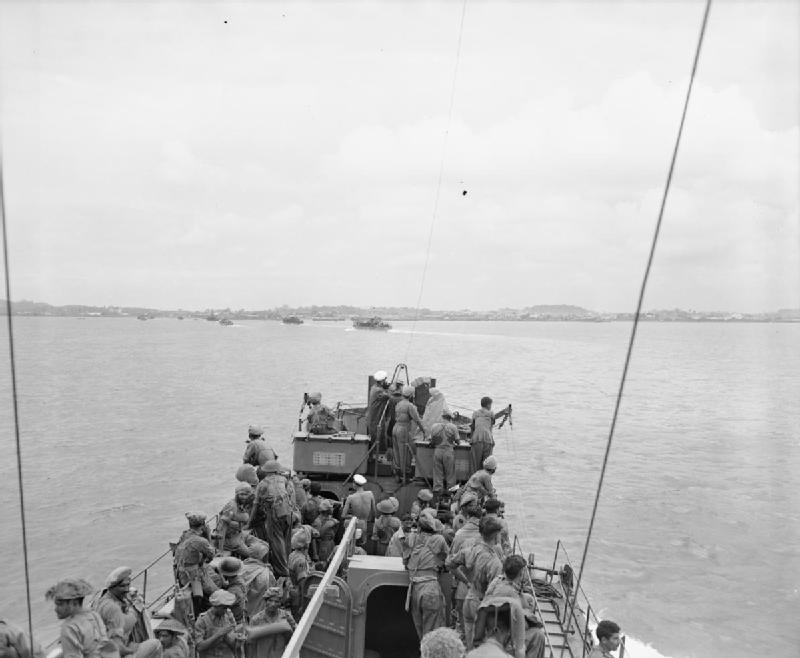
Liberation from Japanese Occupation.
Singapore

Liberation
4 min read
Updated By: History Editorial Network (HEN)
Published:
During World War II, Singapore was under Japanese occupation. The British forces successfully liberated Singapore after years of intense fighting and strategic warfare. The Japanese occupation brought immense suffering to the people of Singapore, with harsh living conditions, forced labor, and widespread atrocities. The liberation by the British forces marked the end of this dark period and brought hope and relief to the inhabitants of Singapore.
The British forces, led by Lord Louis Mountbatten, launched a series of military offensives to reclaim Singapore from the Japanese. After bitter battles and fierce resistance, the Japanese forces finally surrendered, and the Union Jack was raised once again over Singapore. The liberation brought an end to the oppressive rule of the Japanese and restored a sense of normalcy to the lives of the people.
The impact of the liberation was profound. Singaporeans celebrated their newfound freedom with a mix of joy and relief after enduring years of hardship and uncertainty. The return of British colonial rule also brought stability and a sense of security to the war-torn island. The liberation paved the way for the eventual independence of Singapore and signaled a new chapter in its history.
To this day, the liberation of Singapore from Japanese occupation by the British forces is commemorated as a pivotal moment in the island's past. It serves as a reminder of the resilience and strength of the Singaporean people in the face of adversity. The event symbolizes liberation, hope, and the enduring spirit of freedom.
#SingaporeHistory #BritishForces #JapaneseOccupation #Liberation #Resilience

Explore the Life Moments of
 AI Twin