
Gordon Ramsay

The Culinary Crusader
Related Lives

Tim Cook
Chairman of Apple
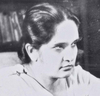
Sirimavo Bandaranaike
First Female Prime Minister
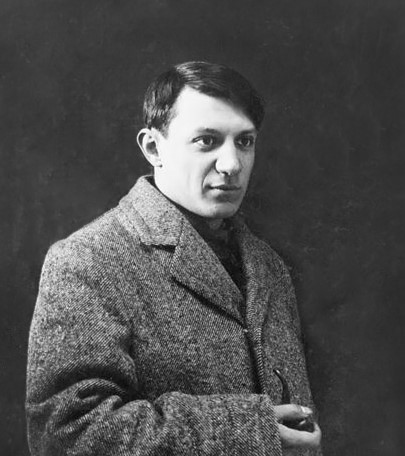
Pablo Picasso
Spanish painter and sculptor
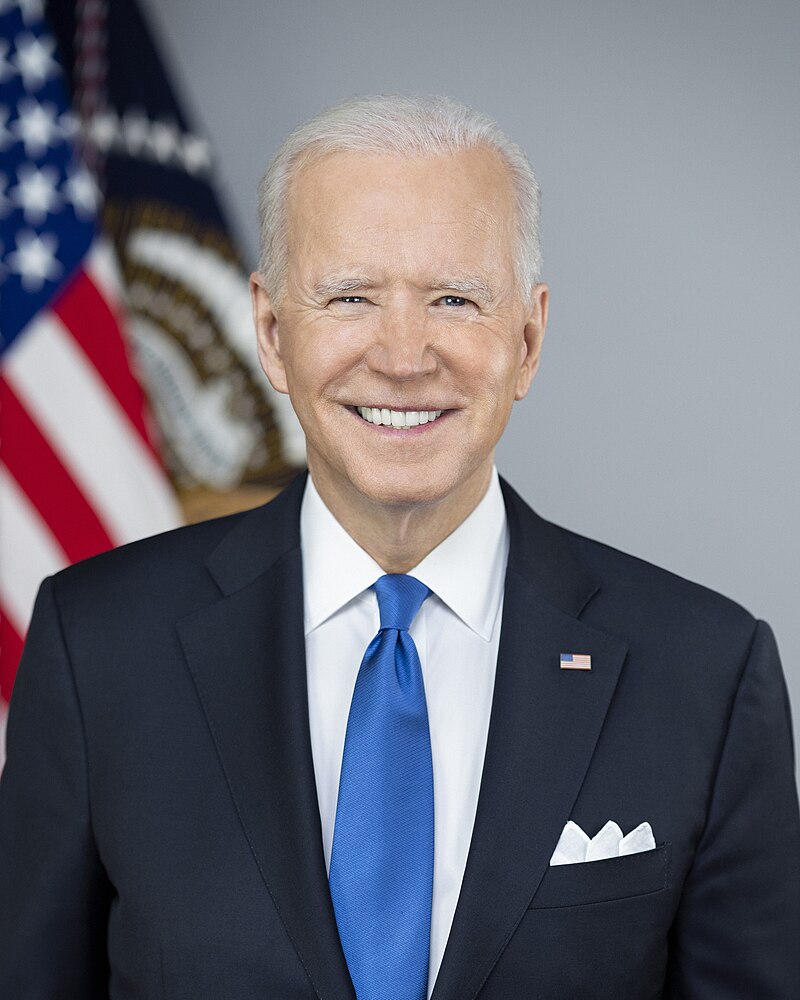
Joe Biden
46th president of the United States
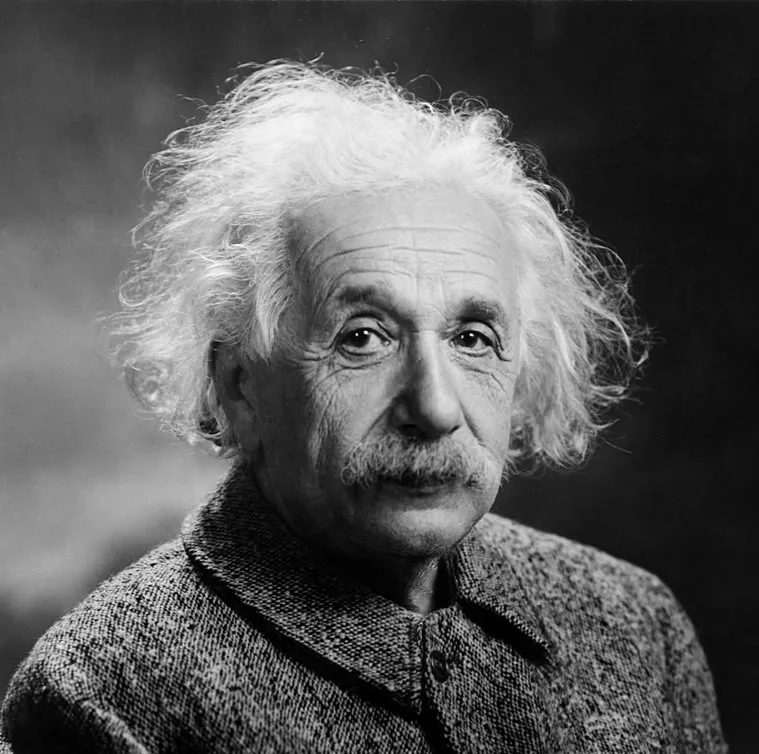
Albert Einstein
Father of Modern Physics
Robert F. Kennedy
The Compassionate Crusader

Jodie Foster
The Trailblazing Luminary
Marie Curie
Mother of Modern Physics

2007
On 27/12/2007, celebrity chef Gordon Ramsay made a cameo appearance in the Christmas special finale of the BBC comedy series Extras, created by Ricky Gervais and Stephen Merchant. The feature-length episode, broadcast on BBC One at 9pm, served as the concluding installment of the sitcom following its two six-episode series and included guest appearances from several public figures such as George Michael, Clive Owen, David Tennant and Jonathan Ross. Ramsay appeared as himself, participating in the show’s recurring format in which celebrities portray exaggerated or inverted versions of their public personas.
In the special, Ramsay briefly interacts with protagonist Andy Millman, played by Ricky Gervais, during a sequence that satirizes celebrity culture and media attention. Consistent with the program’s style, Ramsay’s portrayal leaned into his television reputation for blunt and confrontational language, delivering a deliberately exaggerated, loud and vulgar version of himself for comedic effect. Extras frequently used celebrity cameos in this way, inviting guests to parody their own public image, and the finale continued this approach with multiple appearances woven into the narrative about Millman’s struggle with fame and credibility.
The Christmas special ran for approximately 85 to 90 minutes and acted as the final episode of the series. It aired in the United Kingdom on BBC One on 27 December 2007 after an earlier HBO broadcast in the United States, and it concluded the storyline that followed background actor Andy Millman’s rise to sitcom fame and his dissatisfaction with celebrity status. The episode marked the end of Extras, which originally debuted in 2005 and concluded with this standalone finale.
View detailsIn November 2007, Clare Smyth was appointed head chef of Restaurant Gordon Ramsay in Chelsea, London, becoming the first female chef in the United Kingdom to run a restaurant holding three Michelin stars. At the time, Smyth was 29 years old and had already spent several years working within Gordon Ramsay’s organization, including periods at Restaurant Gordon Ramsay and other Ramsay kitchens. Her appointment followed the departure of head chef Simone Zanoni, who left London to oversee Gordon Ramsay’s new restaurant project at the Trianon Palace in Versailles, France. With the change in leadership, Smyth assumed day to day control of the kitchen while Ramsay remained owner and executive presence behind the brand.
Restaurant Gordon Ramsay had held three Michelin stars continuously since 2001, placing it among the highest rated restaurants in the United Kingdom. Upon taking over, Smyth became responsible for maintaining the restaurant’s standards, menu execution and brigade management under the scrutiny that accompanies Michelin’s highest rating. During her tenure as head chef, the restaurant retained its three Michelin stars, confirming continuity in quality and consistency. Smyth later continued in the role for several years, further establishing her reputation within fine dining and becoming one of the most prominent female chefs working at the three star level in Britain.
View details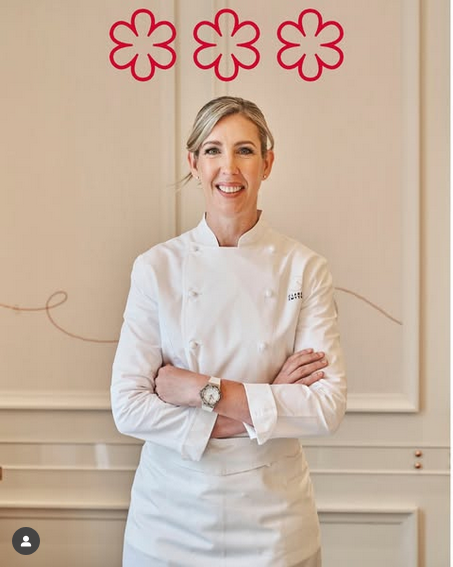
By October 2007, Gordon Ramsay had broadened his restaurant portfolio beyond fine dining by moving into the gastropub market, introducing more casual venues centered on traditional British dishes at lower price points than his Michelin-starred restaurants. The shift followed the opening of The Narrow in Limehouse, London, in March 2007, Ramsay’s first pub, which served classic British food such as pies, sausages and fish dishes in a relaxed riverside setting. The concept emphasized seasonal ingredients and accessible pricing, with typical meals significantly cheaper than those at Restaurant Gordon Ramsay in Chelsea.
The expansion continued later in 2007 with the opening of additional London gastropubs, including The Devonshire in Chiswick in October 2007, part of a plan by Gordon Ramsay Holdings to develop a small group of pubs offering straightforward British fare. These venues were positioned as informal alternatives within Ramsay’s growing hospitality business, which at the time already included multiple Michelin-starred restaurants and international projects. The gastropubs focused on approachable menus, bar service and neighborhood appeal while still reflecting Ramsay’s culinary branding and operational oversight.
View detailsOn 19/09/2007, the American version of Kitchen Nightmares, hosted by Gordon Ramsay, premiered on the Fox network. Adapted from the British series that began in 2004, the U.S. edition followed Ramsay as he visited struggling restaurants across the United States and spent approximately one week attempting to turn each business around. The premiere episode featured Peter’s Italian Restaurant in Babylon, New York, where Ramsay evaluated food quality, kitchen practices, and management issues before introducing changes to improve operations.
Each episode typically documented Ramsay assessing menus, observing dinner service, and identifying operational problems such as poor hygiene, ineffective leadership, or outdated concepts. The format included revising menus, retraining staff, redesigning interiors, and relaunching the restaurant at the end of the week. The U.S. version retained Ramsay’s direct, confrontational style while adapting pacing and production for American broadcast television. The show aired on Fox and became one of the network’s unscripted series built around Ramsay, alongside Hell’s Kitchen, which had debuted in the United States in 2005.
The first season of Kitchen Nightmares (U.S.) aired in 2007 and established the structure that continued in later seasons, with episodes filmed in various states and focusing on independently owned restaurants experiencing financial or operational decline. The series ran for multiple seasons and became a recognizable part of Ramsay’s television career in the United States.
View detailsIn 2007, Gordon Ramsay’s public remarks about vegetarianism reflected a dismissive tone that aligned with his television persona and emphasis on classical, meat-centered cuisine. During this period, Ramsay was widely known for comments made in interviews and on television that used shock humor to criticize vegetarian diets. His culinary approach across programs such as Hell’s Kitchen and The F Word emphasized traditional European techniques, with menus frequently centered on beef, lamb, poultry and seafood. Vegetarian dishes appeared less prominently, typically as side offerings rather than focal points, reinforcing his reputation for favoring protein-driven cooking.
These comments and portrayals formed part of Ramsay’s broader on-screen character in the mid-2000s, which relied on blunt language and confrontational humor. Media coverage from the time often referenced his outspoken attitude toward vegetarianism as an extension of this persona, contrasting it with the rise of plant-based dining in the United Kingdom and United States. While Ramsay later introduced more vegetable-focused dishes and participated in programs exploring plant-based cooking in subsequent years, his public stance in 2007 remained closely associated with skepticism toward vegetarian diets and a preference for traditional meat-centric culinary standards.
View detailsIn June 2007, Gordon Ramsay's popular television show 'Kitchen Nightmares' faced legal challenges when Martin Hyde, the terminated general manager of the New York restaurant Purnima (formerly Dillon's), filed a lawsuit alleging that the show was staged and that many of the problems presented were fabricated. Hyde claimed that the issues Ramsay purportedly uncovered and resolved were largely created by Ramsay and his production team to enhance the show's dramatic effect and portray Ramsay as a savior of struggling restaurants. This allegation raised questions about the authenticity of reality television and the ethical implications of producing content that may mislead viewers. Ramsay, known for his fiery personality and culinary expertise, firmly denied these claims, stating, "I won't let people write anything they want to about me. We have never done anything in a cynical fake way." The lawsuit was voluntarily dismissed in August 2007 and was subsequently ordered into arbitration as per the contractual agreement between the parties involved. This incident highlighted the ongoing debate regarding the authenticity of reality TV shows and the lengths to which producers may go to create compelling narratives.
Key Details of the Lawsuit:
• Allegations: Hyde alleged that the show used paid actors to pose as customers and staged scenes to make him look incompetent, forcing his departure.
• The Show's Defense: Gordon Ramsay strongly denied the accusations, stating he would never "fake" such scenes and that the issues were real, attributing the accusations to Hyde's embarrassment over his own lack of professionalism.
• Outcome: The lawsuit was dismissed in August 2007 by a judge who ordered the case to proceed into mandatory arbitration, as required by the contract.
• Context: The incident featured on the show involved Dillon's, an Irish-Indian restaurant that later rebranded to Purnima before closing in 2009.
View details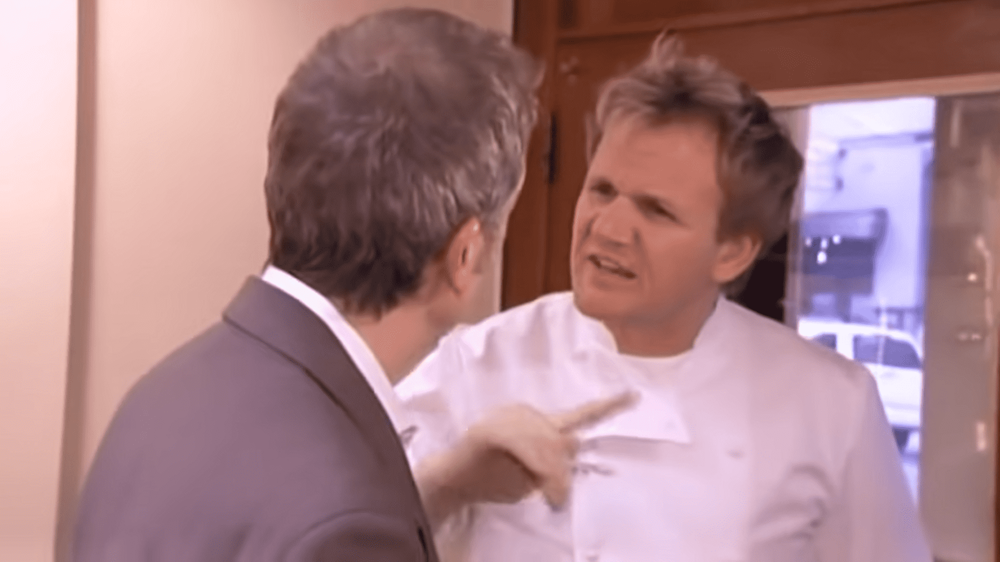
In March 2007, Gordon Ramsay expanded beyond his Michelin-starred fine dining restaurants by opening The Narrow, his first gastropub, in Limehouse, East London. The venue, housed in a Grade II-listed riverside building overlooking the River Thames, introduced Ramsay’s interpretation of a traditional British pub paired with a more formal dining room. The project marked a shift in his restaurant portfolio toward accessible British food, with pricing and atmosphere designed to appeal to a broader audience than his flagship Restaurant Gordon Ramsay in Chelsea. The Narrow combined a bar serving real ales, bottled beers and wines with a separate dining space offering full table service.
The opening menu focused on classic British dishes prepared with seasonal ingredients and straightforward presentation. Early offerings included London Particular, a pea and ham soup; pie and mash; boiled salt beef with carrots; potted Cromer crab; and braised Gloucester Old Spot pig cheeks. The concept was described as a “pub with a dining room,” reflecting Ramsay’s move toward casual dining while maintaining culinary standards associated with his brand. The Narrow quickly attracted strong demand following its launch, with reports of a waiting list for midweek lunches shortly after opening, indicating early interest in Ramsay’s gastropub format.
The Narrow’s debut in March 2007 represented Ramsay’s first step into the pub sector, which he later expanded with additional gastropub openings in London. The move diversified Gordon Ramsay Holdings’ portfolio at a time when the chef was simultaneously growing his television presence and international restaurant operations.
View details2006
On 13/10/2006, Gordon Ramsay guest-hosted the premiere episode of Series 32 of the BBC satirical news quiz Have I Got News for You. Broadcast on BBC One, the episode featured regular team captains Ian Hislop and Paul Merton, with guest panelists Andrew Neil and Peter Serafinowicz. Ramsay took the host’s chair for the first time, joining the program’s long-running format in which a different guest presenter leads each episode while moderating the topical comedy discussion and reading from the autocue.
During the broadcast, Ramsay made a notable on-air promise connected to his performance. He stated that he would buy dinner for the entire studio audience at his restaurant in Claridge’s if he failed to read the autocue correctly. As the episode progressed, Ramsay struggled at several points with the scripted lines and timing, which became part of the episode’s humor. The show’s retrospective commentary and later BBC compilations frequently referenced Ramsay’s difficulties in the host’s chair, including the moment when he acknowledged the errors and backed away from the dinner promise.
The episode followed the established Have I Got News for You structure, mixing news-based rounds with improvised exchanges between panelists and host. Ramsay’s appearance stood out for placing a high-profile chef, better known for culinary television, into a live comedy panel format that required precise delivery and timing. His performance, including the Claridge’s bet and subsequent autocue slips, became one of the memorable guest-host moments from the program’s mid-2000s run.
View detailsIn September 2006, Gordon Ramsay was ranked the most powerful and influential figure in the United Kingdom hospitality industry in the annual CatererSearch 100 list published by Caterer and Hotelkeeper. The ranking placed Ramsay at number one, overtaking Jamie Oliver, who had held the top position in 2005. The CatererSearch 100 evaluates influence across the hospitality sector, including restaurant ownership, business growth, media presence and industry impact. Ramsay’s rise to the top reflected his expanding restaurant group, growing television profile and increasing international presence during 2006.
The recognition came during a year that included several major milestones for Ramsay. In the 2006 New Year Honours, he was appointed an Officer of the Order of the British Empire for services to the hospitality industry. Later, in July 2006, he received the Independent Restaurateur of the Year award at the Catey Awards, becoming only the third individual to win three Cateys. These honors coincided with continued growth of Gordon Ramsay Holdings, which already operated multiple Michelin starred restaurants in London and abroad.
Ramsay also expanded internationally in 2006, marking his entry into the United States restaurant market. Gordon Ramsay at The London NYC opened in New York City in late 2006, introducing his flagship fine dining concept to North America. The same period also saw Ramsay associated with projects in Florida, including involvement with dining operations at the Boca Raton Resort and Club. Together, the awards, honors and overseas expansion contributed to his placement at the top of the CatererSearch 100 for 2006.
View detailsIn July 2006, Gordon Ramsay received the Catey Award for Independent Restaurateur of the Year, marking his third Catey and placing him among a small group of chefs to achieve a hat-trick of wins. The Catey Awards, organized annually by The Caterer magazine, recognize achievement across the United Kingdom hospitality industry. Ramsay’s 2006 honor reflected the continued growth of Gordon Ramsay Holdings, which by that time operated multiple restaurants in London and internationally, including Michelin-starred venues such as Restaurant Gordon Ramsay in Chelsea and expansion projects underway in Europe and the United States.
Ramsay had previously won Catey Awards earlier in his career, and the 2006 recognition made him only the third person to receive three Cateys. The Independent Restaurateur of the Year category highlights leadership, business performance and consistency across independently operated restaurants. In 2006, Ramsay’s restaurant group included a mix of flagship fine dining venues and newer concepts, while his television presence through programs such as Hell’s Kitchen and The F Word further elevated his public profile within the hospitality industry.
The July 2006 ceremony brought together chefs, hoteliers and industry leaders for the annual awards presentation. Ramsay’s third Catey reinforced his standing among leading restaurateurs in the United Kingdom during a period of rapid expansion and increasing international activity for his brand.
View detailsIn 2006, Gordon Ramsay formally expanded his restaurant business into the United States, marking his first major entry into the American dining market. The move centered on the opening of Gordon Ramsay at The London NYC, a fine dining restaurant located inside The London hotel in Manhattan. The restaurant opened in November 2006 and introduced Ramsay’s flagship haute cuisine style to a U.S. audience, with a menu rooted in French technique and seasonal ingredients. The project was developed in partnership with hotelier Steve Lowy and formed part of Ramsay’s strategy to establish a permanent presence in North America.
The New York opening represented a significant step in Ramsay’s international growth, which had previously focused on the United Kingdom, Europe and Asia. Alongside the flagship dining room, the venture included additional dining concepts within The London NYC, broadening the appeal beyond formal tasting menus. The expansion coincided with Ramsay’s increasing visibility in the United States through television, including Hell’s Kitchen, which had debuted on Fox in 2005, helping build brand recognition ahead of his restaurant launch.
By the end of 2006, the New York restaurant had established Ramsay’s first operational base in the United States and laid the groundwork for later American projects. The opening marked a transition from a primarily UK based restaurant group to a global hospitality brand with a foothold in one of the world’s most competitive dining markets.
View detailsPublished in 2006, 'Gordon Ramsay Easy All Year Round' is a culinary masterpiece that showcases the renowned chef's commitment to making cooking accessible and enjoyable for home cooks. This book features a diverse collection of recipes that are designed to be prepared throughout the year, highlighting the importance of using fresh, seasonal ingredients. Ramsay's approach emphasizes simplicity without compromising on flavor, making it an ideal resource for both novice and experienced cooks. Each recipe is crafted to inspire creativity in the kitchen, encouraging readers to experiment with different ingredients and techniques. With clear instructions and beautiful photography, 'Easy All Year Round' serves as a practical guide for anyone looking to elevate their cooking skills while enjoying the pleasures of seasonal dining. Whether you're preparing a cozy winter meal or a light summer dish, this book provides a wealth of options that cater to every palate and occasion.
View detailsIn 2006, Gordon Ramsay sustained a leg injury during early training sessions for the inaugural Soccer Aid charity football match. The event, created by singer Robbie Williams and presenter Jonathan Wilkes, was scheduled to take place at Old Trafford in Manchester, with an England XI captained by Williams facing a Rest of the World XI led by Ramsay. As preparations began, Ramsay was actively involved in training with his team when he picked up the injury, raising doubts about his availability for the match.
Ramsay had been named captain of the Rest of the World side, which included former professional footballers and celebrities. Reports at the time indicated that the injury made him a major doubt ahead of the fixture, though he ultimately recovered sufficiently to participate. The match, held on 27/05/2006 at Old Trafford, featured high-profile names including Diego Maradona, who appeared for the Rest of the World XI, along with a mix of former internationals and celebrity players. Soccer Aid was organized to raise funds for UNICEF and marked the first edition of what would become a recurring charity event.
Despite concerns before kickoff, Ramsay took part in the match, fulfilling his role as captain of the Rest of the World XI. The inaugural Soccer Aid game concluded with England defeating the Rest of the World 2–1, launching the charity fixture that continued in later years with rotating celebrity and professional participants.
View detailsIn 2006, during the second series of The F Word broadcast on Channel 4, Gordon Ramsay’s on-screen persona included a confrontational and often mocking stance toward vegetarianism. The program combined cooking segments, restaurant service, and live audience interaction, and Ramsay frequently used provocative humor as part of the show’s tone. Within this format, vegetarianism was sometimes treated as a target for jokes or challenges, reflecting Ramsay’s broader television character at the time, which emphasized traditional, meat-focused cooking and blunt commentary.
Despite this portrayal, The F Word Series Two still featured some vegetarian dishes and plant-based cooking segments. These included recipes built around seasonal vegetables and lighter preparations, presented alongside the show’s meat and seafood-focused menus. The contrast between the inclusion of vegetarian recipes and Ramsay’s dismissive remarks formed part of the program’s mischievous style, where humor, provocation and audience reaction were central to the format. The series aired weekly in 2006 and continued to build Ramsay’s profile as a television personality known for strong opinions and theatrical delivery.
The portrayal of vegetarianism during the second series aligned with Ramsay’s mid-2000s public image, which favored classical European cuisine centered on meat and fish. His commentary and comedic framing within The F Word contributed to a recurring element of the show’s identity, while the inclusion of occasional vegetarian recipes demonstrated the program’s broader culinary scope.
View detailsIn June 2006, Gordon Ramsay won a libel case in the High Court in London against the London Evening Standard over claims that scenes in his Channel 4 series Ramsay’s Kitchen Nightmares had been faked. The newspaper article alleged that Ramsay and the program’s producers misled viewers by staging events for dramatic effect. Ramsay challenged the claims, arguing that the allegations were defamatory and undermined the credibility of both the show and his professional reputation.
The case examined whether the article falsely implied that Ramsay knowingly participated in fabricating scenarios shown in the series. The High Court ruled in Ramsay’s favor in June 2006, concluding that the claims were defamatory. The Evening Standard accepted the outcome of the case, and Ramsay was awarded damages along with legal costs. Production company Optomen, which produced Ramsay’s Kitchen Nightmares, was also connected to the dispute referenced in the reporting.
The ruling addressed concerns about the authenticity of the program, which followed Ramsay as he attempted to turn around struggling restaurants. By resolving the libel claim in Ramsay’s favor, the court decision reaffirmed that the allegations of staged scenes were not substantiated.
View detailsOn 14/05/2006, Gordon Ramsay appeared as the Star in a Reasonably Priced Car on Series 8, Episode 2 of Top Gear, broadcast on BBC Two. During the interview segment with host Jeremy Clarkson, Ramsay discussed his interest in cars and referenced several vehicles he had owned or driven, including a Range Rover. The conversation followed the program’s usual format, combining lighthearted discussion about the guest’s motoring experiences with Clarkson’s questions before the timed lap in the Suzuki Liana.
During the interview, Ramsay spoke about using a Range Rover in everyday life, highlighting its practicality and suitability for family use. The discussion formed part of a broader exchange about his driving habits and experiences on the road. As with other guests, the conversation mixed humor with personal anecdotes, leading into Ramsay’s lap around the Top Gear test track at Dunsfold Aerodrome in Surrey.
After the interview, Ramsay completed his timed lap in the Suzuki Liana as part of the Star in a Reasonably Priced Car leaderboard. His appearance aired alongside other segments in the same episode, including automotive challenges and reviews typical of Series 8. The episode first broadcast on BBC Two on 14 May 2006 as part of the show’s eighth series.
View detailsIn January 2006, Gordon Ramsay was named an Officer of the Order of the British Empire in the New Year Honours list, with the award recognizing his services to the hospitality industry. The honor was announced as part of the annual list approved by Queen Elizabeth II. By that time, Ramsay had established multiple Michelin starred restaurants in the United Kingdom and internationally, alongside a growing television presence that included Ramsay’s Kitchen Nightmares, Hell’s Kitchen and The F Word.
Although the appointment was announced in January, the formal investiture ceremony took place on 05/07/2006 at the Palace of Holyroodhouse in Edinburgh, Scotland. Ramsay attended the ceremony to receive the insignia, and reports noted that he nearly missed the event due to a delayed flight from London. The ceremony in Edinburgh held personal significance, as Ramsay was born in Scotland and later commented on his satisfaction at receiving the honor there rather than in London.
The recognition formed part of a series of developments for Ramsay in 2006. Later that year, in September, he was ranked the most influential figure in the UK hospitality industry in the CatererSearch 100 list, overtaking Jamie Oliver. The OBE appointment earlier in the year reflected official recognition of his contribution to the restaurant sector and his growing influence within British hospitality.
View details2005
Gordon Ramsay’s food magazine series The F Word premiered on 27/10/2005 on Channel 4 in the United Kingdom, introducing a weekly studio-based program that combined cooking demonstrations, celebrity interviews, audience dining, and food challenges. The first episode aired during Channel 4’s evening lineup and featured Ramsay preparing dishes for 50 diners seated inside the restaurant-style studio. The debut also included a “Recipe Challenge” segment in which a member of the public competed against Ramsay, along with the opening of a campaign framed around encouraging more home cooking. The format blended live service pressure with magazine-style segments, reflecting Ramsay’s expanding television presence following Ramsay’s Kitchen Nightmares and Hell’s Kitchen.
During its initial season in 2005, The F Word established recurring features that continued throughout later series. Ramsay prepared a three-course meal each week for a group that often included celebrities, journalists, or members of the public. The show also introduced livestock rearing segments, where animals such as turkeys, pigs, and lambs were raised across episodes before being used for food, documenting the farm-to-table process. Additional components included viewer-submitted recipes, guest chef appearances, and kitchen competitions. The program’s tone mixed instructional cooking with reality-style elements and studio audience interaction.
The UK version of The F Word ultimately ran for five seasons between 2005 and 2010 on Channel 4. Across these seasons, the core structure remained consistent, with variations in guests, challenges, and seasonal livestock projects. At the time of the 27/10/2005 premiere, only the first series was being broadcast, and the long-term run had not yet been established. The show contributed to Channel 4’s food programming slate and expanded Ramsay’s presence beyond restaurant rescue and competition formats.
More than a decade later, an American adaptation titled The F Word with Gordon Ramsay premiered on 31/05/2017 on Fox in the United States. The U.S. version retained the audience dining concept and competitive cooking segments while adapting the format for American family teams and celebrity guests. This later revival reflected continued interest in the original 2005 concept, which combined live service cooking with entertainment-driven food segments.
View detailsIn September 2005, CNN International aired a special edition of Quest titled “Taking on the Super-Chefs,” hosted by journalist Richard Quest, featuring Gordon Ramsay, Jamie Oliver, Heston Blumenthal, and Wolfgang Puck. The broadcast examined the emergence of chefs as global media personalities, documenting how leading culinary figures had expanded beyond restaurant kitchens into television, publishing, and international branding. The program followed Quest as he explored the chefs’ working environments and public personas, presenting them collectively as part of a growing wave of high-profile culinary figures.
The special did not depict a single shared cooking event but instead structured the narrative around individual profiles and comparative commentary. Ramsay was shown during a period of expanding television exposure in the UK, Oliver was associated with large-scale public food campaigns and television projects, Blumenthal represented experimental and science-driven cuisine at The Fat Duck, and Puck was highlighted for his restaurant empire and media appearances in the United States. Quest’s reporting emphasized how each chef built a recognizable identity while reaching audiences beyond traditional fine dining.
The program framed these chefs as part of a broader shift in food media during the mid-2000s, when cooking shows, restaurant documentaries, and branded food ventures increased their global reach. By featuring multiple internationally recognized chefs within one broadcast, CNN presented a snapshot of the culinary industry’s transition toward personality-driven coverage. The special also reflected the growing cross-continental interest in food programming, with British and American chefs discussed within the same international context.
View detailsIn 2005, Singapore Airlines recruited celebrity chef Gordon Ramsay as a consultant for its International Culinary Panel (ICP), a group of internationally recognized chefs tasked with shaping the airline’s premium in-flight dining offerings. The panel collaborates with Singapore Airlines to design menus for First Class, Business Class, and selected premium services, with chefs contributing recipes adapted for large-scale airline catering and high-altitude service conditions. Ramsay’s appointment placed him alongside other globally known culinary figures who advised on seasonal menus, ingredient selection, and presentation standards.
The International Culinary Panel, launched in 1998, operates by having chefs periodically develop dishes that are then tested in airline catering facilities before being introduced on specific routes. Ramsay’s involvement in 2005 reflected Singapore Airlines’ strategy of partnering with high-profile chefs to maintain consistency across long-haul services. The collaboration focused on translating restaurant-style cuisine into meals suitable for in-flight preparation, accounting for cabin pressure, reheating constraints, and passenger preferences across international routes.
Ramsay’s recruitment expanded the panel’s European representation and aligned with his growing international profile during the mid-2000s. His participation contributed to menu development initiatives for premium cabins and reinforced Singapore Airlines’ emphasis on chef-led dining experiences as part of its onboard service offering.
View detailsIn 2005, Gordon Ramsay released the cookbook Gordon Ramsay Makes It Easy, a collection designed to translate restaurant-style cooking into practical dishes for home kitchens. The book was first published in the United Kingdom in May 2005 by Quadrille Publishing, with a United States edition following in September 2005 through Houghton Mifflin and Wiley. The publication presented Ramsay’s approach to simplifying professional techniques while maintaining structured recipes and clear preparation steps. The release came during a period when Ramsay’s television presence was expanding, and the book reflected a growing demand for accessible versions of chef-driven cuisine.
The cookbook contains approximately 100 recipes organized by occasion-based sections such as “Breakfast and Brunch,” “Great Fast Food,” “Family and Friends,” and “Dinner for Two.” Recipes were developed using commonly available supermarket ingredients, with preparation methods intended for domestic kitchens rather than professional restaurant setups. Dishes range from quick weekday meals to more structured multi-course options, with emphasis on timing, plating, and balanced menus. The structure followed a practical format, allowing readers to select recipes based on meal type rather than technical difficulty.
Many editions of Gordon Ramsay Makes It Easy were packaged with a bonus DVD featuring Ramsay demonstrating six recipes from his own home kitchen. The inclusion of video content mirrored the instructional style seen in his television programs and provided visual guidance for techniques shown in the book. The combination of printed recipes and demonstration footage positioned the 2005 release as both a cookbook and a multimedia cooking guide for home audiences.
View detailsIn 2005, Gordon Ramsay expanded his international restaurant portfolio into Asia by opening two dining venues at the Conrad Tokyo hotel in the Shiodome district of Tokyo, Japan. Located on the 28th floor of the hotel, the restaurants marked Ramsay’s first venture in the Far East and introduced his European fine dining approach to the Japanese market. The project was developed in partnership with Hilton International’s Conrad brand, which had opened the Tokyo property the same year. The venues were designed to deliver both formal and more relaxed dining experiences while maintaining Ramsay’s emphasis on seasonal ingredients and structured menus.
The flagship restaurant offered a French-influenced fine dining concept, while a second venue provided a more casual setting with contemporary European dishes. Both kitchens were overseen by Ramsay’s team, with menus adapted to local sourcing and Japanese seasonal produce. The opening formed part of Ramsay’s mid-2000s international expansion, which included restaurants in London and later ventures in Europe, North America, and Asia. The Tokyo launch also aligned with the Conrad Tokyo’s positioning as a luxury hotel destination featuring internationally recognized chefs.
The 2005 opening represented Ramsay’s entry into the Japanese dining scene at a time when Western celebrity chefs were increasingly establishing branded restaurants in major Asian cities. The Conrad Tokyo venues operated as part of the hotel’s upper-floor dining complex overlooking Tokyo Bay and the Hamarikyu Gardens, integrating Ramsay’s culinary brand into the hotel’s flagship food and beverage offering.
View detailsIn 2005, Gordon Ramsay expanded into Japan with the opening of Cerise, a casual brasserie-style restaurant located on the 28th floor of the Conrad Tokyo in the Shiodome district. The venue launched alongside the fine-dining flagship Gordon Ramsay at Conrad Tokyo, forming part of Ramsay’s first major restaurant presence in Asia. While the flagship focused on formal European haute cuisine, Cerise was designed as a more relaxed all-day dining alternative, offering accessible dishes in a contemporary hotel setting overlooking the Shiodome area of Tokyo.
Cerise operated as a casual brasserie with a contemporary and comfortable interior, featuring high ceilings and large windows typical of the Conrad Tokyo’s upper floors. The concept emphasized flexible dining across breakfast, lunch and dinner, with a menu blending European brasserie influences and lighter offerings suited to hotel guests and local diners. Positioned within the luxury hotel environment, Cerise complemented the flagship restaurant by broadening Ramsay’s reach beyond fine dining, allowing guests to experience his brand in a less formal setting during his early expansion into the Japanese market.
The opening formed part of Gordon Ramsay Holdings’ mid-2000s international growth, which included ventures in Europe, the United States and Asia. The Conrad Tokyo restaurants represented one of Ramsay’s earliest large-scale partnerships in the region and introduced both high-end and casual formats within the same property.
View detailsIn May 2005, Gordon Ramsay faced public criticism following a segment aired during Ramsay’s Kitchen Nightmares filmed at La Lanterna restaurant in Letchworth, Hertfordshire. The episode showed Ramsay offering pizza samples to people outside the restaurant during National Vegetarian Week. One participant, identified in the program as Bob, told Ramsay he had been a vegetarian for eight years. Ramsay then offered him what was described as a “special veggie pizza,” which Bob accepted and ate while being filmed.
After Bob had eaten a slice, Ramsay revealed that the pizza contained Parma ham beneath the toppings. The broadcast showed Ramsay laughing and telling kitchen staff they had “converted a vegetarian.” As the man walked away, Ramsay called after him with a joking remark referencing vegetarian food. The moment was included as part of the episode’s attempt to draw attention to the restaurant’s menu and food quality during the turnaround process.
The segment drew backlash from vegetarian groups and viewers who criticized the deception, particularly because it aired during National Vegetarian Week. Critics argued that deliberately feeding meat to someone who had stated they were vegetarian was inappropriate. The incident became one of the more controversial moments from early seasons of Ramsay’s Kitchen Nightmares, which had premiered in 2004 and focused on struggling restaurants across the United Kingdom.
View detailsIn March 2005, Gordon Ramsay partnered with Indian chef and food writer Madhur Jaffrey to support Voluntary Service Overseas (VSO), an international development charity. The collaboration was linked to VSO’s “Spice Up Your Life” initiative, a fundraising effort aimed at supporting the organization’s work addressing HIV and AIDS in India. The campaign brought together prominent culinary figures to help raise awareness and encourage public participation in fundraising activities connected to food and cooking.
The initiative targeted a fundraising goal of £100,000 for VSO’s programs in India. Ramsay and Jaffrey’s involvement helped draw media attention to the campaign, reflecting the increasing role of celebrity chefs in charity-driven food events during the mid-2000s. The collaboration formed part of Ramsay’s broader charitable activities in 2005, a year in which he also supported multiple fundraising appeals and advocacy efforts through public appearances and partnerships.
The March 2005 partnership highlighted the use of culinary personalities to promote international development causes, with VSO leveraging food-themed events to engage supporters and donors. By combining Jaffrey’s expertise in Indian cuisine with Ramsay’s growing television profile, the campaign connected culinary promotion with fundraising aimed at health and community programs in India.
View details2004
On 27/04/2004, Gordon Ramsay released Gordon Ramsay’s Kitchen Heaven, a cookbook published by Michael Joseph. The 256-page hardback was issued during a period when Ramsay’s television profile in the United Kingdom was expanding, particularly around the early success of Ramsay’s Kitchen Nightmares, which debuted the same year. The book was positioned as a practical cooking guide for home kitchens, aligning with Ramsay’s television themes of improving standards and simplifying professional techniques for everyday cooks. Some promotional materials during the period also connected the book with the broader “Kitchen Heaven” concept used across Ramsay’s media work.
Gordon Ramsay’s Kitchen Heaven includes more than 100 recipes covering categories such as meat, fish, vegetarian dishes, soups, and sauces. The content emphasizes structured preparation methods, with step-by-step instructions and ingredient lists designed for commonly available products. A dedicated “How to” section provides guidance on culinary techniques, including preparation basics and cooking methods intended to help readers replicate restaurant-style results at home. The recipes range from quick meals to more involved dishes, reflecting Ramsay’s approach to combining accessible cooking with professional standards.
The cookbook was released in hardcover format and distributed through major booksellers in the United Kingdom and internationally. Retail availability extended through outlets such as Amazon, AbeBooks, and ThriftBooks, contributing to the book’s continued circulation after its initial 2004 publication. The release formed part of Ramsay’s expanding publishing portfolio in the early 2000s, alongside television projects and restaurant operations.
View detailsOn 27/04/2004, Gordon Ramsay debuted Ramsay’s Kitchen Nightmares on Channel 4 in the United Kingdom, launching a documentary-style series focused on struggling restaurants. The first episode followed Ramsay’s visit to Bonapartes, a restaurant in Silsden, West Yorkshire, where he spent several days assessing operational problems, menu quality, and management issues. The program documented Ramsay observing service, tasting dishes, inspecting the kitchen, and speaking with staff before implementing changes aimed at improving consistency and customer experience.
At Bonapartes, Ramsay identified issues including an overly complex menu, inconsistent food preparation, and communication problems between the kitchen and front-of-house staff. The episode showed Ramsay simplifying the menu, introducing updated dishes, and restructuring service procedures. The format combined observational footage with direct intervention, culminating in a relaunch service intended to test whether the changes could stabilize the restaurant. This structure became the template for later episodes, with Ramsay visiting different establishments across the UK.
The 27/04/2004 premiere introduced a format that differed from competition-based cooking shows, focusing instead on real businesses and operational turnaround. The first series aired on Channel 4 throughout 2004, with each episode centered on a different restaurant facing financial or service difficulties. The Bonapartes episode established the tone of candid kitchen inspections, staff discussions, and menu redesigns that defined the program’s early run.
View details
2003
Published in 2003, 'Gordon Ramsay's Secrets' is a compelling culinary guide that unveils the techniques and philosophies that have propelled Gordon Ramsay to the forefront of the culinary world. This book serves as a window into Ramsay's kitchen, offering readers an intimate look at the secrets behind his acclaimed cooking style. With a collection of meticulously crafted recipes, Ramsay emphasizes his commitment to excellence and precision in the kitchen. Each recipe is designed not only to showcase his culinary prowess but also to inspire home cooks to elevate their cooking skills. The book is filled with practical tips and insights that reflect Ramsay's passion for food and his relentless pursuit of perfection. Whether you are a novice cook or an experienced chef, 'Gordon Ramsay's Secrets' provides valuable knowledge that can transform your culinary endeavors. This book is a must-have for anyone looking to understand the art of cooking from one of the industry's most celebrated chefs.
View detailsIn 2003, Gordon Ramsay drew criticism after stating in a newspaper interview that he had misled a table of vegetarians by serving artichoke soup made with chicken stock while telling them it was prepared with vegetable stock. The comment was made while Ramsay was promoting BBC Comic Relief activities, when he was asked about the most recent lie he had told. Ramsay replied that he had served vegetarians artichoke soup and told them it was made with vegetable stock, adding that it was actually chicken stock. The remark was reported in UK media and quickly attracted attention from animal rights groups.
Following publication of the interview, People for the Ethical Treatment of Animals (PETA) criticized Ramsay and described the statement as hostile toward vegetarians. The organization publicly objected to the claim and reportedly threatened legal action while calling for his Michelin stars to be revoked. The response formed part of wider media coverage of Ramsay’s outspoken public persona during the early 2000s, when his comments and television appearances were receiving increasing attention.
Ramsay later responded by describing the comment as a joke made in the context of Comic Relief promotion. Representatives for the chef issued an apology, characterizing the statement as a throwaway remark and stating that he valued vegetarian customers. The incident remained one of several early controversies associated with Ramsay’s public interviews during that period.
View details2001
On 06/11/2001, the BBC One reality series Faking It aired the episode “Burgerman to Chef,” featuring Gordon Ramsay mentoring Ed Devlin, a 30-year-old burger van proprietor from Newcastle. The program followed Devlin over four weeks as he attempted to transform from street food vendor into a credible head chef capable of convincing a panel of industry professionals. The episode formed part of Faking It’s established format, which challenged participants to adopt a completely different profession within a limited time frame before being judged by experts.
During the training period, Devlin worked in high-pressure professional kitchens under Ramsay’s guidance. He also trained with chef David Laris at the London restaurant Mezzo, where he practiced knife skills, plating, and timing associated with haute cuisine. The program documented Devlin learning to prepare refined dishes, including seared red mullet and chocolate fondant, while adapting to the pace and discipline of fine dining service. Ramsay’s role focused on pushing Devlin to meet professional standards and preparing him for a final evaluation.
The episode concluded with a competitive cook-off in which Devlin presented dishes to a panel of judges who were unaware of his background. Despite early difficulties and describing the experience as “like hell,” Devlin succeeded in convincing the judges he was a legitimate head chef. The 06/11/2001 broadcast became an early television appearance for Ramsay in a mentoring role, predating several of his later standalone series.
View details