
Gordon Ramsay

The Culinary Crusader
Related Lives

Tim Cook
Chairman of Apple

Sirimavo Bandaranaike
First Female Prime Minister

Pablo Picasso
Spanish painter and sculptor
Joe Biden
46th president of the United States

Bill Gates
Co-Founder of Microsoft, Philanthropist

Eminem
Iconic American Rapper

Ryan Reynolds
Canadian actor, producer, and entreprene

Ernest Hemingway
The Master of Modern Storytelling

2016
In 2016, renowned chef Gordon Ramsay opened up about his commitment to fitness and healthy eating habits, emphasizing the importance of maintaining physical well-being in a demanding culinary environment. Witnessing overweight and unfit chefs struggle in the kitchen motivated Ramsay to adopt a more active lifestyle. He participates in various semi-competitive events, including Ironman competitions, marathons, and triathlons, showcasing his dedication to fitness. Ramsay's approach to nutrition is equally disciplined; he prefers to eat smaller portions throughout the day rather than indulging in large meals. This grazing habit, developed over years as a chef and television judge, allows him to manage his busy schedule while ensuring he stays energized. Additionally, Ramsay holds a black belt in karate, further highlighting his commitment to physical fitness.
Around 2016–2018, Gordon Ramsay revitalized his health to combat the sedentary, high-stress, and overeating habits of his 40s. He committed to rigorous endurance training, including marathons and Ironman competitions, focusing on balanced, smaller, and nutritious meals rather than fads.
• Motivation: Ramsay was motivated to lose weight and regain control over his health after feeling "overweight and out of control" during his 40s.
• Fitness Routine: He shifted toward intense, endurance-based cardio, such as cycling, running, and swimming. He is known to wake up early for training sessions.
• Dietary Changes: His approach emphasizes balance rather than restriction, focusing on lean proteins like poached chicken or fish, eggs, and nutrient-dense foods.
• "Fit Food" Philosophy: In his book Ultimate Fit Food (reflecting this era of commitment), he focused on using techniques like poaching, steaming, and braising to create healthy, flavorful meals.
• Sustainability: He often described this lifestyle shift as crucial for maintaining energy for his busy career, rather than just dieting.
View detailsOn 27/06/2016, Glu Mobile released Restaurant Dash with Gordon Ramsay, a time management cooking simulation game for iOS and Android devices. The title was developed as a spin off of the Diner Dash series and incorporated Gordon Ramsay’s voice and likeness. Players progressed through a culinary career by managing kitchens, serving customers, and completing timed challenges across a range of themed restaurant locations.
The game allowed users to customize their own chef avatar and travel between global venues such as a San Francisco burger restaurant and a vegetarian focused kitchen. Gameplay centered on preparing dishes, managing orders, and upgrading equipment while maintaining customer satisfaction. Players could also participate in Chef Duels against other competitors and face celebrity boss battles against Ramsay, whose in game character delivered instructions and commentary reflecting his on screen persona.
Progression in Restaurant Dash with Gordon Ramsay was measured through the earning of “Wishelin” stars, a ranking system tied to performance across levels. The game included hundreds of dishes and multiple restaurant environments, with additional content unlocked as players advanced. The June 2016 launch expanded Ramsay’s presence into mobile gaming through a branded cooking simulation tied to his television and culinary image.
View details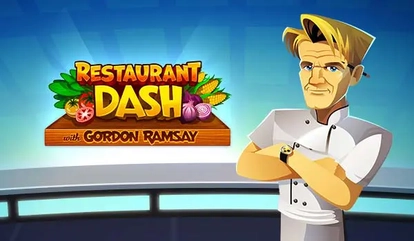
2015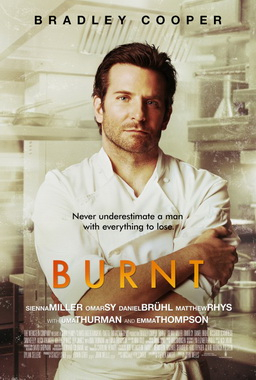
In 2015, Gordon Ramsay served as an executive producer and culinary consultant for the film Burnt, a drama centered on a chef attempting to earn a third Michelin star. The movie, starring Bradley Cooper as fictional chef Adam Jones, was released in the United States on 30/10/2015. Ramsay contributed behind the scenes to ensure the portrayal of professional kitchens reflected real restaurant operations, particularly the pressure and standards associated with fine dining.
As part of his involvement, Ramsay personally trained Bradley Cooper in kitchen techniques, with a focus on plating and presentation. Cooper also spent time observing service at Restaurant Gordon Ramsay in London to study workflow, communication, and timing inside a Michelin starred kitchen. The preparation aimed to help the actor convincingly perform cooking sequences and understand the pace of high end restaurant service.
The character of Adam Jones drew inspiration from several well known chefs, with Ramsay cited as one of the primary influences behind the character’s temperament and reputation driven career. Ramsay, along with consultant chefs including Marcus Wareing, advised on the pursuit of Michelin stars, kitchen hierarchy, and the professional expectations involved in elite restaurants. Their guidance shaped the film’s depiction of culinary competition, perfectionism, and the demands associated with top tier dining establishments.
View detailsIn January 2015, Gordon Ramsay lost a High Court case concerning the York & Albany pub and hotel in Camden, London. The dispute centered on a 25 year lease signed in 2007 that required an annual rent of £640,000. Ramsay sought a declaration that he was not personally bound by a guarantee attached to the lease, arguing that his signature had been applied without authorization by his father in law and former business manager Christopher Hutcheson using an autopen device. The case followed a trial that began in late 2014.
Mr Justice Morgan rejected Ramsay’s claim, describing the argument as “entirely implausible.” The court found that Ramsay was aware the autopen device had been used to sign documents on his behalf and ruled that Hutcheson acted within the broad authority granted to him at the time. As a result, Ramsay remained personally liable under the guarantee connected to the lease agreement for the York & Albany property.
The ruling meant Ramsay continued as the personal guarantor for the rent until the lease expires in 2033. He was also ordered to pay an interim sum of £250,000 to the landlord, film director Gary Love. Reports at the time indicated that Ramsay’s legal costs and potential financial exposure related to the dispute were expected to exceed £1 million. The January 2015 decision concluded the High Court proceedings regarding Ramsay’s liability for the Camden property.
View details2013
The American version of MasterChef Junior premiered on the Fox Network on 27/09/2013, introducing a cooking competition featuring young home cooks aged 8 to 13. Gordon Ramsay served as host and executive producer, presenting a noticeably more supportive mentoring style compared with his approach on Hell’s Kitchen. The format was adapted from the British Junior MasterChef series and focused on culinary challenges designed for children, including mystery box tasks and elimination rounds.
Ramsay was joined on the judging panel by restaurateur Joe Bastianich and chef Graham Elliot. The judges evaluated contestants on technique, creativity, and presentation while guiding them through the competition. The series emphasized encouragement and skill development, with Ramsay frequently offering hands on advice during cooking segments. The premiere launched the first US season, which aired weekly on Fox through the fall of 2013.
The inaugural season concluded on 08/11/2013, when 13 year old Alexander Weiss was crowned the first winner of MasterChef Junior US. The show’s debut established a youth focused version of the MasterChef franchise in the United States and led to additional seasons following the 2013 launch.
View detailsUnion Street Café officially opened on 16/09/2013 in Southwark, London, as part of Gordon Ramsay’s restaurant portfolio. The venue was located in Harling House on Great Suffolk Street, a converted industrial loading bay near Borough Market. The project had initially been publicized as a joint venture involving David Beckham, but he withdrew his financial backing and formal involvement shortly before the launch, leaving the restaurant to open under the Gordon Ramsay Group.
The restaurant focused on seasonal Mediterranean and Italian inspired cuisine, with a frequently changing menu led by head chef Davide Degiovanni. Dishes emphasized fresh ingredients and simple preparations, reflecting a casual dining concept compared with Ramsay’s fine dining establishments. The kitchen operated with daily adjustments to the menu depending on ingredient availability and seasonal produce.
The interior was designed by Russell Sage Studio with an urban warehouse aesthetic. The space incorporated exposed concrete, steel features, leather seating, and open kitchen elements, aligning with the building’s industrial origins. Prior to opening, the restaurant generated significant public interest, reportedly receiving more than 10,000 booking requests before service began. The September 2013 launch added another London location to Ramsay’s growing restaurant group.
View detailsIn 2013, Gordon Ramsay was ranked No. 49 on TV Guide’s list titled “The 60 Nastiest Villains of All Time.” The list compiled television characters and personalities known for antagonistic or abrasive behavior, and Ramsay was included due to his intense on screen demeanor in programs such as Hell’s Kitchen. His placement reflected how his fiery temper and direct criticism had become a defining part of his television persona.
Ramsay appeared just ahead of the serial killer character Red John from The Mentalist in the ranking. The list also featured a mix of fictional villains and real television personalities. J.R. Ewing from Dallas was ranked No. 1, while Simon Cowell appeared at No. 10. Other entries included Nina Myers from 24 at No. 9 and Cesar Romero’s version of the Joker from the 1960s Batman series at No. 33. Ramsay’s inclusion highlighted his reputation for harsh critiques and confrontational style on competitive cooking shows.
The 2013 list combined characters from drama, reality television, and comedy, placing Ramsay among widely recognized antagonistic figures in television history. His ranking emphasized the impact of his on screen personality rather than fictional villainy, reflecting how reality television judges were also considered in the selection.
View detailsGordon Ramsay at Claridge’s officially closed on 30/06/2013, ending a 12 year partnership between Gordon Ramsay Holdings and the Maybourne Hotel Group at the Claridge’s hotel in London. The restaurant had operated since 2001 and held a Michelin star during its run. Its closure followed the expiration of the original 10 year agreement in 2011, after which negotiations for a new long term contract between the parties failed to reach an agreement.
The restaurant, located within the Claridge’s hotel in Mayfair, was known for French inspired fine dining and formal service. After the initial contract expired, the venue continued operating under short term arrangements while discussions took place. The negotiations ultimately broke down, leading to confirmation that Gordon Ramsay Holdings would vacate the space by the end of June 2013.
The closure marked the end of one of Ramsay’s high profile London hotel partnerships. Following the departure, the Maybourne Hotel Group announced plans to redevelop the dining space with a new concept. The 30/06/2013 shutdown concluded more than a decade of operations at Claridge’s under the Gordon Ramsay brand.
View detailsIn January 2013, Gordon Ramsay was officially inducted into the Culinary Hall of Fame, recognizing his contributions to the global culinary industry as a chef, restaurateur, and television personality. The induction acknowledged Ramsay’s Michelin starred restaurants, international restaurant group, and influence through television programs such as Hell’s Kitchen, Kitchen Nightmares, and MasterChef. The recognition highlighted his role in expanding modern fine dining and bringing professional kitchen culture to a global television audience.
By 2013, Ramsay had established a restaurant portfolio spanning Europe, North America, and Asia, alongside multiple Michelin starred venues including Restaurant Gordon Ramsay in London. His television productions had also reached international audiences, with formats adapted across multiple countries. The Culinary Hall of Fame induction recognized both his culinary achievements and his impact on hospitality media and chef led restaurant brands.
The January 2013 honor placed Ramsay among chefs and industry figures recognized for long term contributions to culinary arts, restaurant development, and global food culture. The recognition reflected his standing within the professional cooking community at the time of the induction.
View details2012
In October 2012, Gordon Ramsay opened The Fat Cow, a casual neighborhood style gastropub at The Grove shopping center in Los Angeles. The restaurant officially opened on 01/10/2012 following a soft opening in late September 2012. The venue was located at 189 The Grove Drive, Los Angeles, California, replacing the former Farm of Beverly Hills restaurant within the popular outdoor retail complex.
The Fat Cow was designed as a relaxed dining concept featuring British and European inspired comfort food. The menu included items such as burgers, pies, roasted meats, and seasonal dishes aimed at a casual neighborhood audience. The restaurant’s design incorporated rustic décor, wood accents, and an open kitchen layout consistent with gastropub style dining. The concept represented Ramsay’s effort to expand into approachable dining formats in the Los Angeles market.
The October 2012 launch marked Ramsay’s return to the Los Angeles restaurant scene with a new standalone concept separate from his Las Vegas operations. The Grove location attracted early attention due to its high profile setting and Ramsay’s involvement in menu development and branding.
View detailsThe reality television series Hotel Hell, created and hosted by Gordon Ramsay, premiered on the Fox Network on 13/08/2012. The debut aired as part of a two night launch event, with the first episode titled “The Juniper Hill Inn: Part 1,” focusing on a struggling hotel in Windsor, Vermont. The program followed Ramsay as he traveled across the United States to evaluate and rehabilitate failing hotels, motels, and bed and breakfast properties.
The premiere had originally been planned for earlier in 2012, with proposed dates in April and June, but Fox delayed the launch to August. The adjustment allowed the network to schedule Ramsay’s other programs, Hell’s Kitchen and MasterChef, within its Monday night lineup before introducing the new series. The two part Juniper Hill Inn episode documented Ramsay assessing management practices, cleanliness, service standards, and financial challenges at the Vermont property.
Hotel Hell expanded Ramsay’s intervention format beyond restaurants to the hospitality sector. Each episode featured inspections of guest rooms, kitchens, and amenities, followed by operational changes and a relaunch. The 13/08/2012 premiere established the format and introduced viewers to Ramsay’s role in addressing service, accommodation standards, and business management within struggling lodging businesses.
View details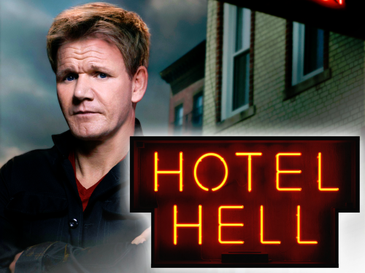
On 21/03/2012, Gordon Ramsay filed a lawsuit in Quebec Superior Court against former business partner Danny Lavy and the Montreal restaurant Laurier BBQ. Ramsay sought approximately $2.7 million in damages following a breakdown in their partnership related to plans for a Gordon Ramsay branded restaurant at the long established Laurier BBQ location in Montreal, Canada. The legal action followed a public dispute between the parties after Ramsay withdrew from the project.
The lawsuit alleged that Ramsay’s name and branding continued to be used after the partnership ended, including signage and promotional materials referencing his involvement. Ramsay claimed the continued association created confusion and damaged his reputation. The dispute developed after disagreements over renovations, management control, and the direction of the proposed restaurant, which had been announced as a collaboration between Ramsay and the Laurier BBQ ownership.
The filing in Quebec Superior Court formally escalated the conflict between Ramsay and Danny Lavy. The March 2012 legal action sought financial damages and addressed issues surrounding branding, partnership obligations, and use of Ramsay’s name in connection with the Montreal establishment following the collapse of the agreement.
View details2011
On 13/11/2011, Gordon Ramsay made his animated debut on The Simpsons, guest starring as himself in the episode titled “The Food Wife.” The episode aired during Season 23 of the long running animated series on Fox. Ramsay appeared in a cameo role connected to a fictional food festival storyline involving Marge Simpson and her family, who begin reviewing restaurants through a food blog.
During the episode, Ramsay appears at a culinary event where he judges food prepared by participants. His animated character reflects his well known television persona, delivering direct critiques and raising the intensity of the cooking competition. The cameo placed Ramsay among a number of real life chefs and food personalities who have appeared on the show as guest voices.
“The Food Wife” centered on Marge, Bart, Lisa, and Homer forming a food blogging group that gains popularity after visiting restaurants and food festivals. Ramsay’s appearance occurs during one of the major culinary scenes in the episode, marking his first voice cameo in The Simpsons and one of his early appearances in animated television.
View detailsOn 09/08/2011, Gordon Ramsay launched Laurier Gordon Ramsay in Montreal, marking his first restaurant venture in Canada. The project involved a high profile rebranding of the historic Rotisserie Laurier BBQ, located at 381 Laurier Avenue West. The establishment had operated since 1936 and was widely known as a Montreal institution before the partnership introduced Ramsay’s name and updated culinary direction.
The collaboration aimed to blend the restaurant’s traditional rotisserie heritage with a refreshed menu and modern presentation. While the iconic exterior and classic offerings remained part of the concept, the rebranding introduced revised dishes, updated plating, and changes to service. The launch drew significant media attention due to the transformation of a long established local venue and Ramsay’s entry into the Canadian market.
The August 2011 opening represented Ramsay’s expansion into North America beyond his existing United States operations. The Laurier Gordon Ramsay branding highlighted both the historical identity of the restaurant and Ramsay’s involvement in menu development and repositioning of the Montreal location.
View detailsIn 2011, a notable 10 minute cooking challenge took place during Season 2 of MasterChef US as the competition narrowed to the top five contestants. Gordon Ramsay, serving as judge alongside Graham Elliot and Joe Bastianich, introduced a rapid fire test requiring competitors to prepare a dish within a strict 10 minute time limit. The challenge emphasized speed, organization, and the ability to execute a complete plate under pressure.
The remaining contestants were tasked with creating dishes using limited ingredients and minimal preparation time. Ramsay monitored the kitchen closely, offering commentary and time calls as the countdown progressed. The short duration required contestants to rely on fundamental techniques and quick decision making, with Ramsay evaluating presentation, taste, and execution at the end of the challenge.
The 10 minute test became one of the standout pressure moments of Season 2, highlighting Ramsay’s fast paced judging style and the show’s emphasis on time constrained cooking. The challenge formed part of the later stage episodes leading toward the finale of the 2011 season.
View detailsIn 2011, Gordon Ramsay made a brief cameo appearance as himself in the romantic comedy Love’s Kitchen. The film premiered in the United States on 07/06/2011 and centered on culinary themes and restaurant life. Ramsay appeared in a supporting cameo role connected to the story’s protagonist, Rob Haley, played by Dougray Scott, a London chef struggling to regain motivation after a personal loss.
During his appearance, Ramsay portrays a friend and mentor figure who offers encouragement to Haley. The scene features Ramsay giving advice that helps inspire the character to take over a struggling countryside pub and transform it into a gourmet restaurant. The cameo ties into the film’s narrative arc, which follows Haley rebuilding his career and rediscovering his passion for cooking.
Love’s Kitchen combined romance and food focused storytelling, with Ramsay’s role included as a short guest appearance rather than a major character. His cameo added a recognizable culinary figure to the film’s cast, which also included Claire Forlani, Simon Callow, and other supporting actors. The June 2011 release marked one of Ramsay’s early appearances in a feature film.
View details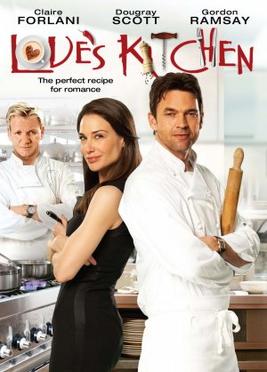
2010
On 19/10/2010, Gordon Ramsay Holdings Limited announced that Chris Hutcheson, Gordon Ramsay’s father in law, had left his role as chief executive officer after 12 years with the company. The official statement at the time thanked Hutcheson for his service and noted that he would remain a shareholder. The announcement described the departure as amicable, but it later emerged that Hutcheson had been dismissed, triggering a prolonged legal and family dispute.
Hutcheson had played a central role in managing Gordon Ramsay Holdings, overseeing expansion of the restaurant group and business operations. Following his removal, disagreements developed over company control, financial management, and ownership interests. The breakdown in relations between Ramsay and Hutcheson led to multiple legal proceedings and public disputes involving both business and family matters over the following years.
The October 2010 announcement marked the beginning of the conflict, which later expanded into court cases and allegations relating to business conduct and access to company information. The departure ended Hutcheson’s operational leadership within the Gordon Ramsay restaurant group while leaving his shareholder status unresolved during subsequent negotiations.
View detailsIn 2010, renowned chef Angela Hartnett made a significant move in the culinary world by purchasing Murano from Gordon Ramsay. Hartnett, who had previously honed her skills at prestigious establishments such as Verre and The Connaught, took over Murano as part of a broader transformation within Ramsay's restaurant empire. This acquisition marked a pivotal moment for Hartnett, allowing her to imprint her culinary vision on the restaurant. Around the same time, another notable chef, Marcus Wareing, who had been the head chef at the London-based restaurant Pétrus, experienced a fallout with Ramsay. Wareing retained the restaurant's premises and its Michelin stars, while Ramsay kept the rights to the name. This led to the rebranding of Pétrus as Marcus Wareing at the Berkeley, while Ramsay launched a new venture, Pétrus by Gordon Ramsay, in 2010. Hartnett's acquisition of Murano not only showcased her entrepreneurial spirit but also contributed to the dynamic landscape of London's fine dining scene.
View detailsIn 2010, Gordon Ramsay took on the role of producer and judge for the American adaptation of 'MasterChef', a competitive cooking show designed to discover the best amateur chef in the United States. Joining him were esteemed culinary judges Graham Elliot and Joe Bastianich, both of whom brought their unique expertise and perspectives to the judging panel. The show quickly gained popularity, showcasing the talents of home cooks from diverse backgrounds as they faced various culinary challenges. Contestants were tested on their cooking skills, creativity, and ability to perform under pressure, all while receiving feedback from the judges. Ramsay's fiery personality and high standards set the tone for the competition, making 'MasterChef' a must-watch for food enthusiasts. The show's format not only highlighted the contestants' culinary journeys but also provided viewers with insights into the world of professional cooking. The success of the first season paved the way for subsequent seasons, solidifying 'MasterChef' as a staple in American reality television and a platform for aspiring chefs to showcase their talents.
View detailsIn 2010, Gordon Ramsay premiered the American version of MasterChef on the Fox Network, introducing an adult amateur cooking competition format. The series debuted on 27/07/2010 and featured Ramsay as a judge and executive producer alongside restaurateur Joe Bastianich and chef Graham Elliot. The program focused on home cooks competing in culinary challenges including mystery boxes, team service tests, and elimination rounds.
The show adapted the British MasterChef format for US audiences, emphasizing skill development and progressive eliminations. Ramsay played a central role in judging dishes, mentoring contestants, and setting challenge standards. The first season followed contestants through multiple rounds before narrowing the field to finalists competing for the title and prize.
The inaugural season concluded on 15/09/2010, with Whitney Miller crowned the first winner of MasterChef US. The July 2010 premiere marked the launch of the adult competition version on Fox, preceding the later introduction of MasterChef Junior in 2013.
View detailsOn 06/06/2010, Gordon Ramsay participated in the third Soccer Aid charity match at Old Trafford in Manchester, England. Ramsay played for the Rest of the World XI in the exhibition football match, which featured celebrities and former professional players competing to raise funds for UNICEF. The event formed part of the biennial Soccer Aid initiative, created to support global children’s programs through televised charity matches.
Ramsay joined a lineup of international celebrities representing the Rest of the World team against an England XI. The match was broadcast to a UK television audience, with proceeds from donations and fundraising activities directed to UNICEF. The 2010 event raised more than £2 million, contributing to the charity’s work supporting children’s health, education, and emergency programs worldwide.
The appearance added to Ramsay’s participation in sporting charity events during this period. The Soccer Aid match at Old Trafford drew thousands of spectators and featured a mix of entertainers, athletes, and former footballers. Ramsay’s involvement was part of the Rest of the World squad during the June 2010 fundraising fixture.
View details2009
In June 2009, Gordon Ramsay sparked controversy following remarks directed at Australian television host Tracy Grimshaw. On 05/06/2009, Ramsay appeared on A Current Affair in Australia for an interview with Grimshaw. The discussion focused on his professional activities, and during the segment Ramsay reportedly requested that questions about his private life not be raised. The interview aired without major incident.
The following day, 06/06/2009, Ramsay appeared at the Melbourne Good Food and Wine Show, where he addressed an audience of roughly 3,000 attendees. During the stage presentation, Ramsay made comments about Grimshaw and displayed a doctored image depicting a pig faced caricature which he identified as her. He also made remarks about her appearance, referenced cosmetic procedures, and made comments about her sexuality. The statements prompted criticism from media outlets, viewers, and public figures in Australia.
The remarks drew widespread backlash, with calls for an apology and debate about conduct during live public appearances. The controversy received international coverage and led to responses from both the event organizers and Ramsay’s representatives in the days following the incident.
View detailsOn 26/04/2009, Gordon Ramsay completed his 10th consecutive London Marathon, continuing a running streak that began in 2000. The race took place across the traditional London Marathon route, starting in Greenwich and finishing on The Mall near Buckingham Palace. Ramsay, known for maintaining endurance training alongside his culinary career, participated as part of his ongoing commitment to long distance running and charity fundraising.
By 2009, Ramsay had become a regular participant in the annual event, often running to support charitable causes connected to health and children’s services. His consecutive participation highlighted a decade of appearances in the marathon, which typically covers 26.2 miles through central London. Ramsay had previously spoken about incorporating marathon training into his schedule while managing restaurants and television productions.
The 26/04/2009 race marked the tenth straight year Ramsay completed the London Marathon, adding to his record of endurance events. His participation contributed to fundraising efforts and maintained his long running involvement with the annual race.
View detailsOn 17/04/2009, reports revealed that Gordon Ramsay’s bistro Foxtrot Oscar in Chelsea, London, along with three of his gastropubs, operated using a centralized production model. Instead of preparing all dishes from scratch on site, several menu items were pre prepared at a central production kitchen in Wandsworth and then delivered to the restaurants. The approach was described as a method to maintain consistency and “Ramsay standards” in venues with limited kitchen space.
The centralized prep kitchen reportedly produced dishes such as coq au vin, fishcakes, and lamb shanks before distribution to individual restaurants. These items were then finished, reheated, or plated at the respective locations. Foxtrot Oscar, which opened in a compact Chelsea space, had limited room for full scale preparation, making the off site production model part of its operational structure. Similar arrangements were used across selected gastropubs within the Gordon Ramsay group.
The disclosure generated discussion about kitchen practices in branded restaurant groups and the use of commissary style production. The centralized model allowed the restaurants to offer a broader menu while working within space constrained kitchens, while maintaining consistency across multiple locations.
View details2008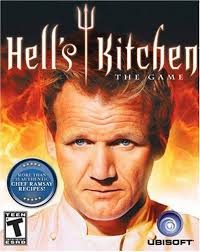
On 09/09/2008, Hell’s Kitchen: The Game was released in North America, featuring Gordon Ramsay as the voice of his in game character. Based on the television series Hell’s Kitchen, the cooking simulation placed players in a competitive kitchen environment where they prepared dishes, managed timing, and responded to Ramsay’s instructions. Ramsay served as the central AI mentor, guiding players through challenges using recorded voice lines modeled after his television persona.
The gameplay focused on timed cooking tasks, ingredient preparation, and plating under pressure. Players progressed through increasingly difficult levels while Ramsay delivered commentary, instructions, and critiques. His voice acting was integrated throughout the game, providing feedback on performance and directing players during service. The format aimed to replicate the intensity of the television show within an interactive experience.
The title was released for Nintendo DS, Wii, and PC platforms, bringing the Hell’s Kitchen brand into video gaming. Ramsay’s involvement as the voice of the in game mentor distinguished the release as a direct extension of the television series, combining cooking simulation mechanics with his recognizable on screen style.
View detailsOn 29/07/2008, Gordon Ramsay revisited his former football club, Glasgow Rangers, in an episode of his television series The F Word. The segment featured Ramsay returning to Ibrox Stadium in Glasgow, Scotland, where he had previously trained as a youth player before a knee injury ended his football ambitions. The visit combined Ramsay’s personal history with a culinary challenge involving the club.
During the episode, Ramsay met Rangers players and staff while preparing food as part of a cooking task linked to the team. The segment included training ground interactions, kitchen preparation, and a service element where Ramsay cooked for members of the club. The appearance highlighted Ramsay’s connection to Rangers, which he has frequently referenced in interviews as part of his early sporting career.
The 29/07/2008 broadcast formed part of The F Word series, which blended cooking segments with travel, challenges, and guest appearances. Ramsay’s return to Ibrox Stadium added a personal storyline to the episode, connecting his culinary career with his earlier involvement in football.
View detailsIn 2008, the Harden’s London Restaurants 2009 guide ranked Pétrus as London’s best restaurant, ending Restaurant Gordon Ramsay’s eight year run at the top of the listings. Restaurant Gordon Ramsay, located in Chelsea, dropped to second place after previously holding the No. 1 position for eight consecutive years. The rankings were based on survey responses from diners evaluating food, service, and overall experience across London restaurants.
Pétrus, then run by Marcus Wareing at The Berkeley Hotel, topped the guide and also surpassed Restaurant Gordon Ramsay in both food and service categories within the £80 plus price bracket. The ranking shift drew attention due to the professional relationship between Ramsay and Wareing. Wareing had previously worked as Ramsay’s protégé and operated Pétrus under the Gordon Ramsay group before separating from the business during a widely reported dispute in 2008.
The guide’s results highlighted the competitive landscape among London’s fine dining restaurants at the time. The change in rankings reflected survey based diner feedback and coincided with the publicized split between Ramsay and Wareing, adding context to the prominence of Pétrus in the 2009 edition of the Harden’s listings.
View detailsIn May 2008, Gordon Ramsay opened Gordon Ramsay at The London West Hollywood, marking his first restaurant on the west coast of the United States. The restaurant was located inside The London West Hollywood hotel on Sunset Boulevard in West Hollywood, California. The opening represented Ramsay’s expansion into the Western U.S. market, following earlier ventures in New York and Las Vegas.
The restaurant offered a fine dining menu influenced by modern European cuisine, with dishes reflecting Ramsay’s signature style and seasonal ingredients. The dining room was designed to complement the luxury hotel setting, featuring contemporary décor and views over the Los Angeles area. The kitchen operated under Ramsay’s culinary direction, with a resident head chef managing daily service.
The May 2008 launch formed part of Ramsay’s international expansion strategy during that period. The West Hollywood location later received industry recognition and became one of his prominent U.S. fine dining venues during its early years of operation.
View detailsIn February 2008, Gordon Ramsay Holdings Limited was in the midst of rapid international expansion while also facing financial pressure linked to the emerging global economic downturn. The company, which had built its reputation through Michelin starred restaurants in the United Kingdom, was transitioning into a broader international hospitality group with projects in Europe, North America, and the Middle East. This expansion included hotel partnerships, overseas restaurant launches, and development of new branded dining concepts.
During this period, the pace of growth increased operational and capital demands. New openings required investment in staffing, property development, and management infrastructure, while the early stages of the global financial slowdown created uncertainty in the luxury dining sector. Reports at the time indicated that the group’s rapid scaling placed pressure on cash flow and required careful management of resources as multiple projects moved forward simultaneously.
The February 2008 period reflected a turning point in the company’s strategy, as Gordon Ramsay Holdings evolved from a primarily UK based restaurant group into a global brand. The expansion plans continued despite economic headwinds, with the company pursuing international partnerships and new markets while balancing the financial challenges associated with large scale growth.
View detailsIn January 2008, Gordon Ramsay made a special guest appearance on the British reality series Big Brother: Celebrity Hijack. The program, a spin off of Celebrity Big Brother, featured different public figures temporarily taking control of the house and assigning tasks to contestants. Ramsay participated as one of the celebrity hijackers, introducing a cooking themed challenge for the housemates.
During his appearance, Ramsay set a culinary task that required contestants to prepare food under time pressure, reflecting elements of his television cooking competitions. He interacted with housemates via the show’s communication system, delivering instructions and commentary. The segment incorporated Ramsay’s direct style while adapting it to the Big Brother format.
The January 2008 cameo added Ramsay to the list of celebrity guests who took control of the house during the special series. Big Brother: Celebrity Hijack aired on Channel 4 in the United Kingdom and featured contestants aged 18 to 21 competing in challenges set by different celebrity figures.
View details