
Gordon Ramsay

The Culinary Crusader
Related Lives

Tim Cook
Chairman of Apple
Sirimavo Bandaranaike
First Female Prime Minister
Pablo Picasso
Spanish painter and sculptor
Joe Biden
46th president of the United States
Jimmy Carter
39th President of the United States
Robert F. Kennedy
The Compassionate Crusader
Henry John Heinz
American Entrepreneur
Florence Nightingale
Lady with the Lamp

2001
Gordon Ramsay’s Just Desserts was published by Quadrille Publishing, marking one of Gordon Ramsay’s early cookbook releases focused exclusively on pastry and sweet dishes. The book was co-authored with food writer Roz Denny and presented a collection of 100 dessert recipes inspired by Ramsay’s London restaurant menus alongside home-friendly preparations. The publication came during a period when Ramsay was building his reputation beyond restaurant kitchens through television appearances and cookbooks, expanding his audience to home cooks interested in professional techniques.
The cookbook is structured into thematic sections covering foundational elements such as fruits, ices, mousses, creams, and soufflés, followed by standalone desserts and “homely favorites.” Recipes range from simple preparations to more technically demanding plated desserts associated with fine dining. The content includes step-by-step guidance intended to demystify pastry techniques, with instructions for methods such as caramelizing fruit, preparing mousses, and rolling classic cookies. The approach combines professional presentation with practical adaptations for domestic kitchens.
Photography for the book was provided by Georgia Glynn Smith, with styled images illustrating finished desserts and preparation stages. Some editions also included a foreword by Anthony Bourdain, placing the cookbook within the broader context of Ramsay’s restaurant work and culinary style. The 07/09/2001 release contributed to Ramsay’s early publishing portfolio, focusing specifically on pastry techniques and dessert construction.
View detailsIn 2001, Restaurant Gordon Ramsay in Chelsea, London, was awarded three Michelin stars in the Michelin Guide for Great Britain and Ireland. Located at 68 Royal Hospital Road, the restaurant had opened in 1998 and quickly gained recognition for its modern French cuisine, precise technique, and consistency. The third Michelin star placed the restaurant among a small group of establishments in the United Kingdom holding the guide’s highest rating. The kitchen at the time operated under Gordon Ramsay’s direction, with a brigade trained in classical French methods and a focus on seasonal ingredients.
The Michelin Guide awards three stars to restaurants considered worth a special journey, based on criteria including ingredient quality, mastery of flavor and cooking techniques, personality of the chef in the cuisine, value for money, and consistency. By 2001, Restaurant Gordon Ramsay had already earned two stars within a short period after opening, and the third star confirmed its standing within London’s fine dining scene. The recognition also contributed to Ramsay’s growing international reputation as both a restaurateur and television personality during the early 2000s.
Restaurant Gordon Ramsay has retained its three Michelin stars continuously since the 2001 award, making it one of the longest-running three-star restaurants in the United Kingdom. The Chelsea dining room became the flagship of Ramsay’s restaurant group and a training ground for chefs who later led kitchens across his expanding portfolio.
Historical Significance: The 2001 award established Restaurant Gordon Ramsay as the flagship of Ramsay’s culinary brand, anchoring his reputation in fine dining at the same time his television career was beginning to expand.
View details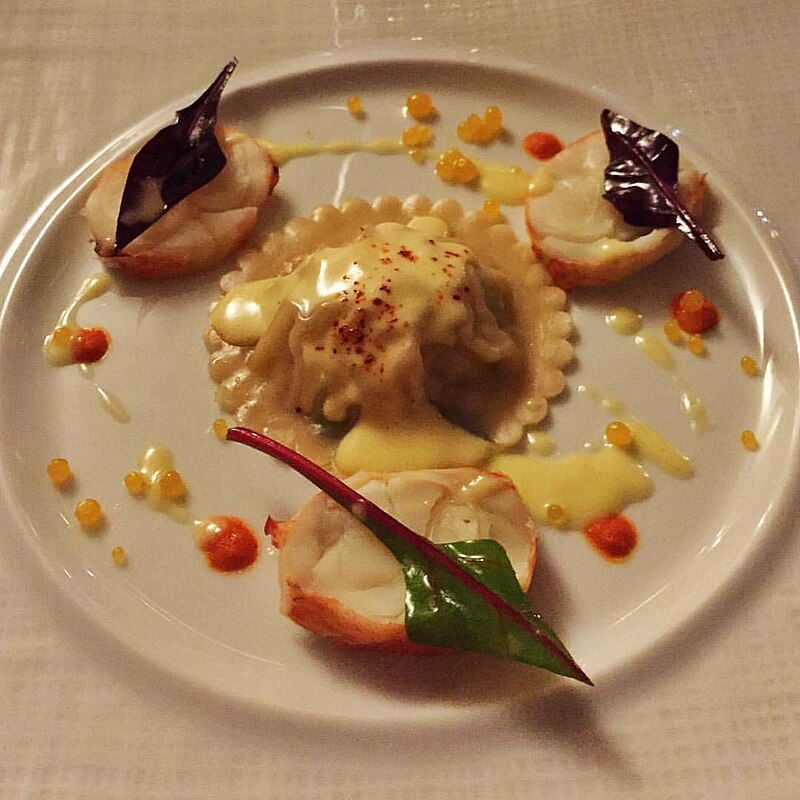
2000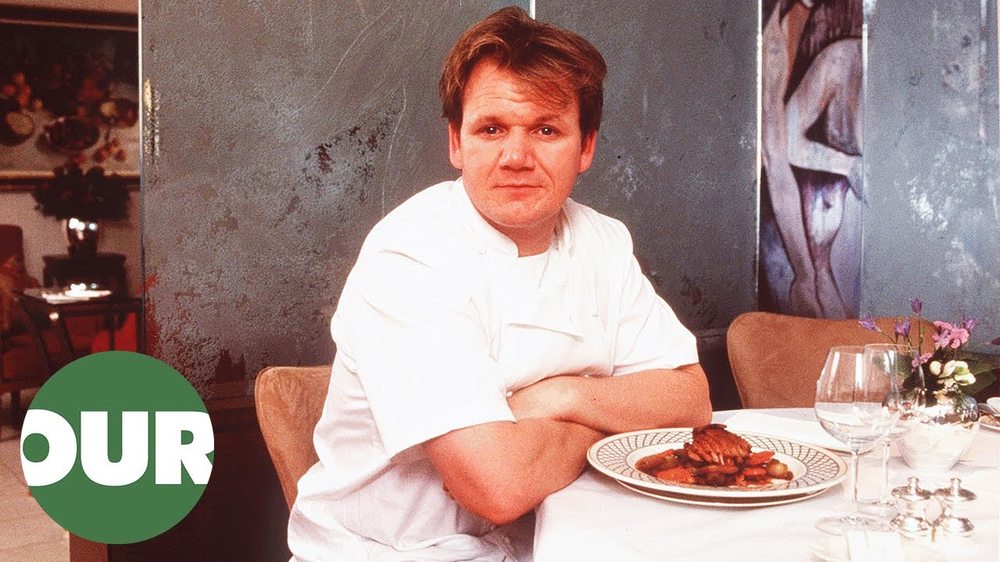
Gordon Ramsay: Beyond Boiling Point premiered on London Weekend Television (LWT), launching a six-part documentary series that followed Gordon Ramsay after the success of the 1999 miniseries Boiling Point. The program continued documenting Ramsay’s professional life, focusing on the pressures of maintaining standards at his flagship Restaurant Gordon Ramsay in Chelsea, London, and the broader demands of running a growing restaurant operation. The series aired on ITV through LWT and extended the observational style that had first introduced Ramsay’s kitchen leadership and management approach to a wider television audience.
The documentary captured day-to-day operations inside the Royal Hospital Road restaurant, including staff training, menu development, and service challenges. It also followed Ramsay’s expanding responsibilities beyond a single kitchen, including media commitments and business planning. Like its predecessor, the series used fly-on-the-wall filming to document interactions with chefs, suppliers, and front-of-house staff, presenting the realities of maintaining fine dining standards in a Michelin-level restaurant environment.
Beyond Boiling Point served as a direct sequel to Boiling Point and continued the narrative of Ramsay’s transition from rising chef to established restaurateur. The six-part run further developed his television presence at the start of the 2000s and documented the operational pressures surrounding Restaurant Gordon Ramsay in the period leading up to its later Michelin recognition.
View detailsIn 2000, Gordon Ramsay released the cookbook A Chef for All Seasons, a publication centered on cooking with ingredients at their peak throughout the year. The book was published in the United Kingdom by Quadrille Publishing Ltd and later in the United States by Ten Speed Press. Written with Roz Denny and featuring photography by Georgia Glynn Smith, the 224-page hardcover presented 100 recipes designed for home cooks while reflecting Ramsay’s contemporary European style. The content emphasized seasonal sourcing, aligning dishes with produce available during specific times of the year.
The book is structured into four chapters titled Spring, Summer, Autumn, and Winter, each highlighting ingredients associated with those seasons. Recipes include dishes such as asparagus soup with fresh cheese croûtes and sea trout with crushed fresh peas, alongside meat, vegetable, and dessert preparations. The instructions focus on clear techniques and accessible methods, aiming to adapt restaurant-style cooking to domestic kitchens. The seasonal format also mirrored Ramsay’s restaurant philosophy of building menus around ingredient availability.
The same year, Ramsay was named Chef of the Year at the Catey Awards, a UK hospitality industry event recognizing achievements in restaurants, hotels, and catering. The recognition came during a period when Ramsay was expanding his reputation following the opening of Restaurant Gordon Ramsay in 1998 and increasing media visibility. The 2000 award and cookbook release together reflected his growing influence across both restaurant kitchens and culinary publishing.
View details1999
In 1999, Gordon Ramsay reached several milestones across publishing, television, and restaurant expansion. During the year, he released Gordon Ramsay’s Passion for Seafood, a cookbook focused on fish and shellfish recipes designed for home cooks. The book presented approximately 100 dishes and included guidance on selecting seafood, preparation techniques, and cooking methods. Structured as both a recipe collection and instructional guide, the publication reflected Ramsay’s emphasis on ingredient quality and classical technique adapted for domestic kitchens.
The same year, Ramsay gained major television exposure through the Channel 4 documentary series Boiling Point, which aired in five parts between February and March 1999. The fly-on-the-wall program followed the eight months leading up to the opening of Restaurant Gordon Ramsay at Royal Hospital Road in Chelsea, London. Cameras documented menu development, staffing challenges, and the pressures of launching a fine dining restaurant. The series introduced Ramsay’s management style and kitchen environment to a broad television audience, marking his first significant television appearance.
Ramsay also expanded his restaurant group in 1999 with the opening of Pétrus in London. The restaurant quickly gained recognition and earned a Michelin star within seven months of opening. The launch added to Ramsay’s growing presence in the London dining scene and demonstrated early success in building multiple high-end establishments. Together, the cookbook release, television debut, and restaurant expansion made 1999 a defining year in Ramsay’s early public career.
Why This Moment Matters: The combination of a television debut, new restaurant, and cookbook in 1999 marked Ramsay’s transition from acclaimed chef to widely recognized public figure across media and publishing.
View detailsOn 25/02/1999, Channel 4 aired the first episode of Boiling Point, a five-part documentary miniseries that marked Gordon Ramsay’s first major television appearance. The fly-on-the-wall production followed Ramsay during the months leading up to the opening of his flagship Restaurant Gordon Ramsay at 68 Royal Hospital Road in Chelsea, London. Cameras documented menu planning, recruitment, supplier negotiations, and the pressures of preparing a fine dining restaurant for launch. The series offered viewers an observational look at professional kitchen operations and Ramsay’s leadership style under tight deadlines.
The documentary tracked an eight-month period, capturing both pre-opening preparations and the early days of service. It showed Ramsay working with chefs, front-of-house staff, and management while addressing issues such as consistency, timing, and quality control. The program’s unfiltered approach highlighted the realities of high-end restaurant operations, including long working hours, training demands, and the expectation of Michelin-level standards. The format differed from studio cooking shows, focusing instead on real-time challenges in a functioning restaurant environment.
The 25/02/1999 premiere introduced Ramsay to a wider television audience and established a template for later observational food programming. The remaining episodes aired across February and March 1999, documenting the restaurant’s opening and early reception. The series also led to a follow-up documentary, Gordon Ramsay: Beyond Boiling Point, broadcast in 2000, continuing coverage of his restaurant operations.
View details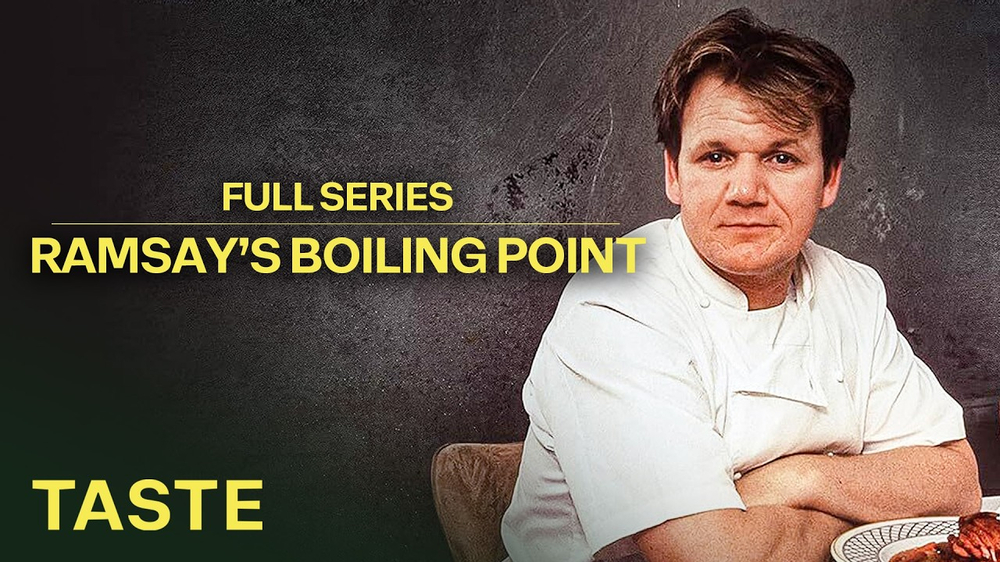
1998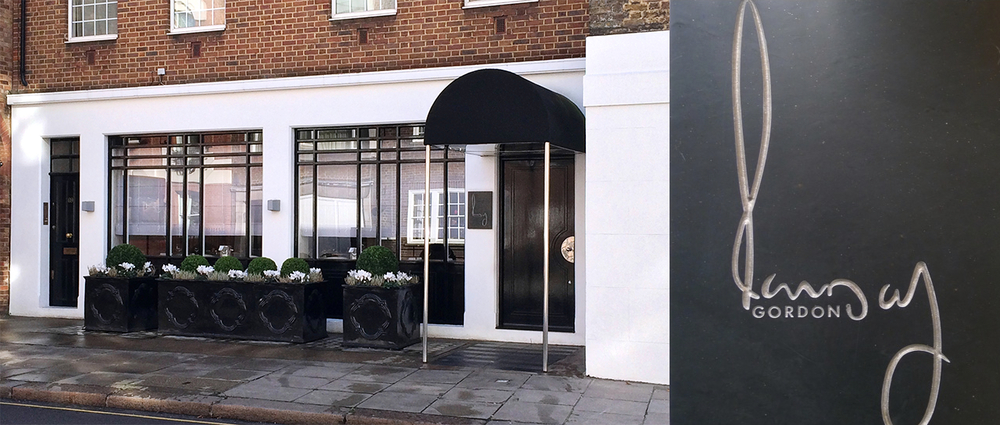
On 17/09/1998, Gordon Ramsay opened Restaurant Gordon Ramsay at 68 Royal Hospital Road in Chelsea, London, marking his first solo restaurant under his own name. The launch followed his departure from Aubergine in London earlier that year, where he had served as head chef and helped the restaurant earn two Michelin stars. Opening an independent establishment represented a shift in Ramsay’s career from leading kitchens for other owners to operating a flagship venue built around his own culinary direction.
Restaurant Gordon Ramsay debuted with a modern French menu focused on seasonal ingredients, precise technique, and structured tasting options. Ramsay assembled a brigade trained in classical methods, with an emphasis on consistency and detailed execution. The Chelsea dining room was designed as an intimate fine dining space, positioning the restaurant within London’s high-end culinary scene. Early service centered on multi-course menus and close coordination between kitchen and front-of-house staff.
The 17/09/1998 opening established the foundation for Ramsay’s restaurant group, with Royal Hospital Road serving as the flagship location. In subsequent years, the restaurant gained major recognition, including three Michelin stars in 2001, and became a training ground for chefs who later led other kitchens within Ramsay’s expanding portfolio.
Why This Moment Matters: The opening of Restaurant Gordon Ramsay marked the start of Ramsay’s independent restaurant group, with the Chelsea site becoming the cornerstone of his later international expansion.
View details1997
On 29/10/1997, Gordon Ramsay Holdings Limited was incorporated, establishing the corporate foundation for Gordon Ramsay’s restaurant, media, and licensing ventures. The company was created as a partnership between Gordon Ramsay and his father-in-law Chris Hutcheson, who later served as chief executive officer and oversaw business operations during the group’s early expansion. The formation of the company preceded the launch of Ramsay’s first solo restaurant and provided a structured entity to manage investments, restaurant openings, and brand development.
Gordon Ramsay held a 69 percent majority stake in the company, with the remaining shares held by other partners including Hutcheson. Through this structure, Gordon Ramsay Holdings Limited became the parent organization for Restaurant Gordon Ramsay, which opened at Royal Hospital Road in Chelsea in September 1998, and later additional restaurants in London and internationally. The company also expanded into television production partnerships, publishing, and licensing arrangements as Ramsay’s public profile grew in the early 2000s.
By 2007, Ramsay’s 69 percent stake in Gordon Ramsay Holdings Limited was valued at approximately £67 million. The valuation reflected the growth of the business following the success of Restaurant Gordon Ramsay, the expansion of new dining concepts, and Ramsay’s increasing television presence across the UK and internationally. The company continued to function as the central management entity for Ramsay’s restaurant group and related ventures.
Why This Moment Matters: The 1997 incorporation created the business structure that supported Ramsay’s transition from head chef to restaurateur and brand owner, enabling subsequent restaurant openings and media expansion.
View detailsIn 1997, Gordon Ramsay made an early television appearance as a judge on a competition-style program featuring young catering students, predating his widely recognized documentary debut in Boiling Point (1999). The broadcast showed Ramsay evaluating contestants alongside his then-restaurant partner, with participants competing for professional opportunities in restaurant kitchens. One prize included a week-long placement at Ramsay’s restaurant, giving the winning student exposure to a professional fine dining environment.
During the program, Ramsay was noted for his strict judging style and direct feedback to contestants. The episode highlighted his expectations regarding discipline, technique, and kitchen standards, particularly in his interactions with a young participant who had won the placement. The appearance presented an early example of the intense demeanor that later became associated with Ramsay’s television persona. The format resembled later cooking competitions, with contestants assessed on preparation, presentation, and execution under time pressure.
At the time of the 1997 appearance, Ramsay was serving as head chef at Aubergine in London. That same year, the restaurant earned its second Michelin star, further raising his profile within the UK culinary industry. Although Boiling Point in 1999 is commonly cited as his first major television exposure, the 1997 judging role is documented as an earlier broadcast appearance that introduced viewers to his uncompromising kitchen standards.
View details1996
Gordon Ramsay married Cayetana Elizabeth “Tana” Hutcheson in Chelsea, London. The wedding took place during a formative period in Ramsay’s culinary career, when he was serving as head chef at Aubergine and gaining recognition within the London restaurant scene. Their marriage followed a relationship that began in the early 1990s after the pair met at a New Year’s Eve party. At the time of their wedding, Ramsay was 29 years old and Tana was 21.
The couple began dating after both became single, and their relationship developed alongside Ramsay’s rise in fine dining. Over the following years, they built a family together, welcoming six children: Megan, twins Jack and Holly, Matilda, Oscar, and Jesse James. Tana later became involved in cookery writing and television appearances, while also supporting Ramsay’s expanding restaurant and media commitments. Their marriage has been referenced frequently in interviews and television programs documenting Ramsay’s professional life.
In December 2025, the couple marked their 29th wedding anniversary. To commemorate the occasion, Ramsay shared a tribute on Instagram describing Tana as his “best friend,” reflecting the longevity of their partnership since their 1996 wedding in Chelsea.
View detailsGordon Ramsay published his first cookbook, Gordon Ramsay’s Passion for Flavour, through Conran Octopus. The release marked Ramsay’s entry into culinary publishing, translating his restaurant-based cooking into recipes suitable for home kitchens. The book presented a collection of approximately 100 dishes built around fresh ingredients and structured preparation methods, reflecting Ramsay’s early culinary philosophy focused on clarity of flavor and classical technique.
The cookbook emphasized accessible versions of restaurant-style cooking, with recipes organized to highlight ingredient-driven dishes and straightforward methods. Instructions covered preparation, timing, and plating, aiming to help readers reproduce refined meals in domestic settings. The approach mirrored Ramsay’s cooking style at Aubergine in London, where he was serving as head chef during the mid-1990s. Photography and layout focused on finished dishes alongside step-by-step guidance for key techniques.
At the time of publication in 1996, Aubergine had earned its second Michelin star under Ramsay’s leadership, contributing to his growing recognition in the UK culinary scene. The release of Passion for Flavour coincided with this period of rising professional visibility, extending his influence beyond the restaurant kitchen into cookbook publishing.
View details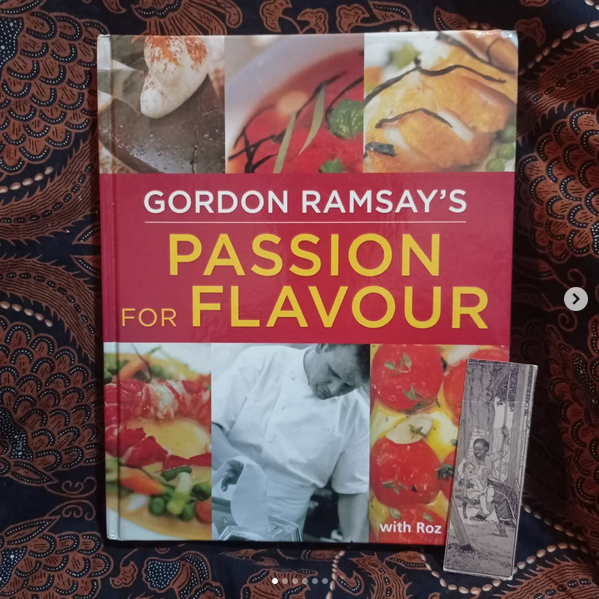
1993
In 1993, Gordon Ramsay was appointed head chef of the newly opened restaurant Aubergine in Chelsea, London. The position marked his first leadership role in a major London kitchen and followed his training under chefs including Marco Pierre White, Albert Roux, and Guy Savoy. Aubergine, located on Park Walk in Chelsea, was launched by partners including Ramsay, who took responsibility for menu development, kitchen operations, and staff training from the outset.
Under Ramsay’s direction, Aubergine focused on modern French cuisine with an emphasis on seasonal ingredients and precise technique. The restaurant quickly gained attention within London’s fine dining scene, and in 1995 it earned its first Michelin star. A second Michelin star followed in 1997, further establishing Ramsay’s reputation as a rising chef. The success of Aubergine during this period brought increased media interest and positioned Ramsay for later ventures, including the opening of his own namesake restaurant in 1998.
The 1993 appointment marked the beginning of Ramsay’s transition from senior kitchen roles to leading his own brigade. His tenure at Aubergine lasted until 1998, when he departed to launch Restaurant Gordon Ramsay at Royal Hospital Road in Chelsea.
View details1984
In mid-1984, teenage Gordon Ramsay earned a trial with Rangers F.C. in Glasgow-but a devastating knee injury during training shut down his football dream and set him on the path to becoming a world-famous chef.
In mid-1984, Gordon Ramsay-then a teenage Rangers supporter with serious ambitions in football-was given a trial with Rangers F.C. as part of his pursuit of a professional playing career. The stint was significant enough that Ramsay later described it as a period where he was effectively in the club’s orbit, training and trying to earn a longer-term place.
During training, Ramsay suffered a major knee injury. Accounts commonly describe severe damage (including cartilage issues), and Ramsay has also spoken about ligament damage-an injury combination that ended his realistic path to a professional football contract and forced him to reconsider his future.
Years later, Ramsay publicly claimed he made first-team appearances for Rangers (he even named opponents in one interview). Those claims became controversial and were challenged in press coverage, prompting a clarification from Ramsay’s side that-per his autobiography-he had been monitored through Rangers’ youth setup during school holidays, played a couple of non-league matches as a trialist, and that a knee injury ended further hopes of being signed professionally.
Location: Rangers F.C. training/trialist environment (Rangers’ first-team training in that era was conducted at multiple locations across Glasgow, including Ibrox Stadium)
Summary: In mid-1984, renowned chef Gordon Ramsay had a trial with Rangers, the Scottish football club he passionately supported as a boy. This opportunity was a significant moment in Ramsay's early life, as he aspired to play professionally. However, during training, Ramsay suffered a serious knee injury that resulted in damaged cartilage, effectively ending his hopes of a football career. Despite his injury, Ramsay has claimed in various interviews and his autobiography that he played two first-team games for Rangers. He also mentioned that he participated in a couple of non-league matches as a trialist for the club, having been signed at the young age of 15. A photograph taken by Allan Cairns in September 1985 shows Ramsay playing in a testimonial match, but it was clarified by a Rangers spokesman that this was not a first-team appearance. Instead, it was a game for a side, confirming that Ramsay trained with the club for several months before his unfortunate injury. This chapter of Ramsay's life highlights the thin line between dreams and reality, as he transitioned from aspiring footballer to one of the world's most famous chefs.
View details1980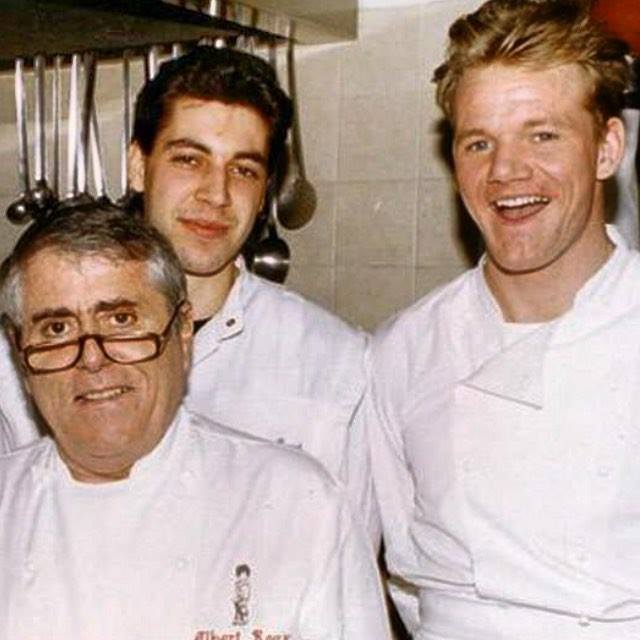
In the early to mid-1980s, Gordon Ramsay started his professional culinary career as a commis chef at the Wroxton House Hotel in Banbury, Oxfordshire. The role followed his decision to pursue cooking after ending his ambitions in professional football due to injury. At Wroxton House, Ramsay worked in a traditional hotel kitchen environment, performing entry-level duties such as food preparation, basic cooking tasks, and assisting senior chefs during service. The position provided his first structured experience in a professional kitchen.
The Wroxton House Hotel, a country house property near Banbury, offered Ramsay exposure to classical British and European cooking techniques. As a commis chef, he developed foundational skills including knife work, sauce preparation, and kitchen organization. The experience formed part of his early training before moving on to more demanding kitchens in London. Ramsay later continued his development under established chefs, including Marco Pierre White and Albert Roux, where he refined his technique and progressed through the professional ranks.
This early role at Wroxton House marked the beginning of Ramsay’s transition into the culinary profession, setting the groundwork for his later positions in London restaurants and eventual rise to head chef in the early 1990s.
View details1966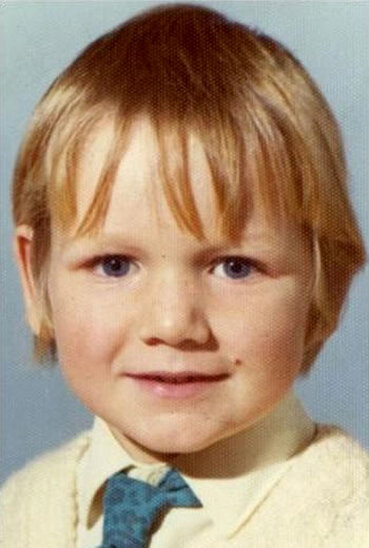
Gordon James Ramsay was born on 08/11/1966 in Johnstone, Renfrewshire, Scotland, to Helen Cosgrove, a nurse, and Gordon James Ramsay Sr., who held various jobs including swimming pool manager, welder, and shopkeeper. He is the second of four children, with an older sister, Diane, and two younger siblings, Ronnie and Yvonne. His early childhood involved frequent relocations as the family moved in search of work, a period Ramsay later described as unstable due to financial difficulties and his father’s struggles with alcoholism.
Around 1971, when Ramsay was about five years old, the family moved from Scotland to England. They lived on a council estate in Daventry, Northamptonshire, where Ramsay spent much of his early childhood. At approximately age nine, the family relocated again, this time to the Bishopton area of Stratford-upon-Avon, Warwickshire. He remained there through his teenage years, attending local schools and developing interests in sports, particularly football.
Ramsay’s early life in England shaped his upbringing before his later transition into professional football training and, eventually, a culinary career. The moves between Scotland and England during his childhood formed the background to his later rise in hospitality and television.
View details