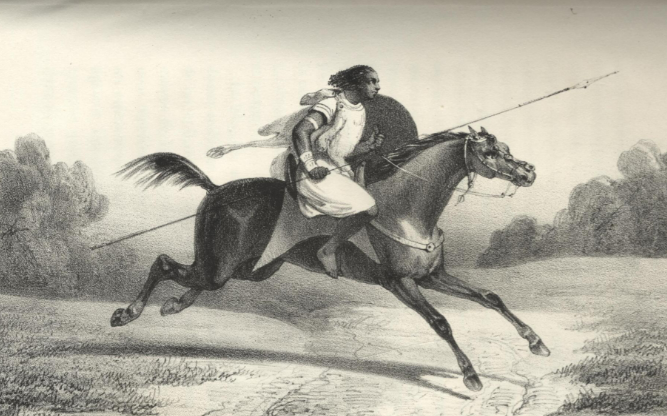
The Oromo people's migration influences Ethiopia's demographics and politics in the region.
Ethiopia
Political
Global Trade
3 min read
Updated By: History Editorial Network (HEN)
Published:
In the year 1530, the Oromo people initiated a migration into what is now known as Ethiopia. This movement had a profound impact on the demographics and political landscape of the region. The Oromo people, primarily pastoralists and farmers, settled in various parts of present-day Ethiopia, bringing new cultural, religious, and linguistic elements to the area.
Their migration led to conflicts with existing ethnic groups and kingdoms in the region. The Oromo people's integration into Ethiopian society resulted in shifting power dynamics and the formation of alliances with different ethnic groups, influencing the political structure of the time.
Over time, the Oromo people's presence became significant, with their population dispersing across the region and becoming one of the largest ethnic groups in Ethiopia. Their cultural heritage and traditions have since played a substantial role in shaping the identity of modern Ethiopia.
#OromoMigration #EthiopianDemographics #PoliticalImpact
Primary Reference
Oromo expansion - Wikipedia
Explore the Life Moments of
 AI Twin