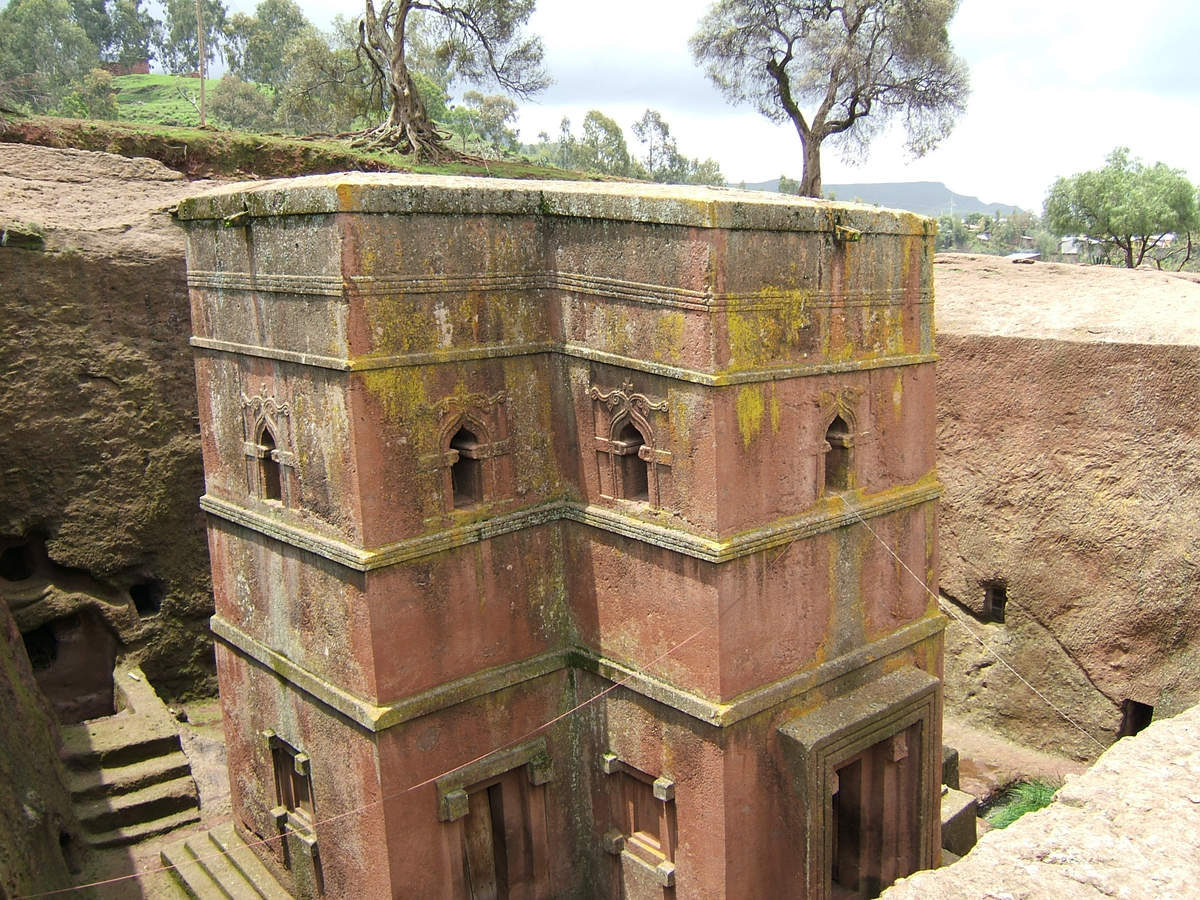
Monolithic Churches of Lalibela: UNESCO Heritage and Ethiopian Orthodox Christian Holy Site.
Ethiopia
Religion
3 min read
Updated By: History Editorial Network (HEN)
Published:
In 1181, the construction of the Monolithic Churches of Lalibela began in Ethiopia, a site classified as a UNESCO World Heritage Site and a central place of worship in Ethiopian Orthodox Christianity. King Lalibela commissioned the creation of these remarkable churches, aiming to establish a new Jerusalem and provide Ethiopian Christians with a place of pilgrimage.
The churches were hand-carved from solid rock, with 11 structures interconnected by tunnels and passages. The unique architectural feat showcases intricate designs and craftsmanship, reflecting the deep religious devotion and engineering prowess of the time. The churches served as centers for religious gatherings, ceremonies, and spiritual reflection, fostering a sense of community among worshippers.
Over the centuries, the Monolithic Churches of Lalibela have become a symbol of Ethiopian cultural and religious identity. Pilgrims continue to flock to Lalibela, seeking inspiration and connection to their faith. The site remains a testament to the enduring heritage and faith of the Ethiopian Orthodox Church.
#MonolithicChurches #Lalibela #UNESCOHeritage #EthiopianChristianity #CulturalIdentity.
Primary Reference
The Rock-hewn Churches of Lalibela | Essay | The Metropolitan ...

Explore the Life Moments of
 AI Twin