Formation of the Captaincy General in Central America
El Salvador
ColonialEconomy
6 min read
Updated By: History Editorial Network (HEN)
Published:
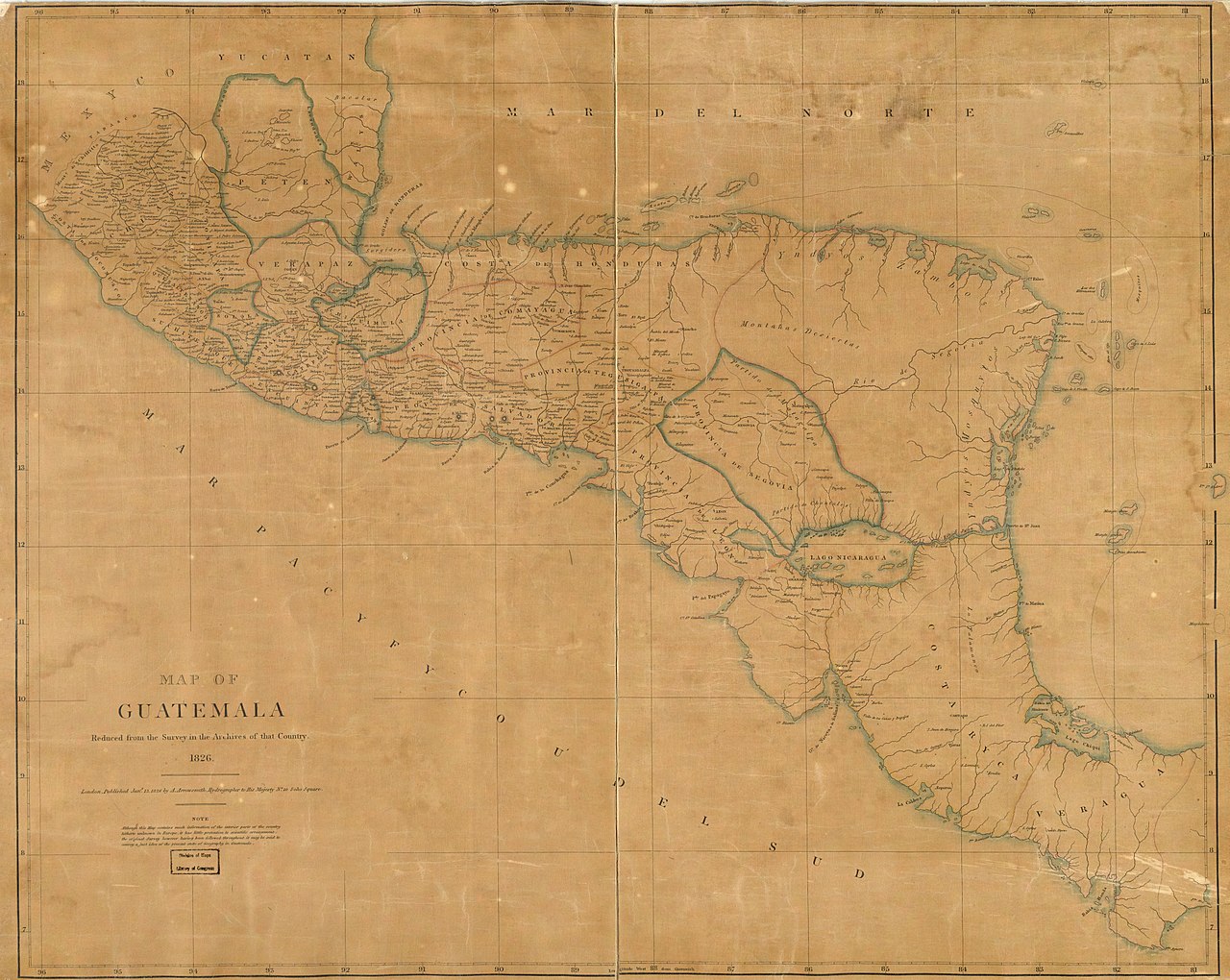
The establishment of the Captaincy General of Guatemala marked a transformative period in Central American history. This administrative division was formed as a part of the Spanish Empire's efforts to consolidate and streamline its governance in the region, which included present-day El Salvador. The Captaincy General was established as a response to the challenges posed by governing distant territories, aiming to fortify Spanish rule and improve coordination across its colonial holdings.
The creation of the Captaincy General brought several key changes to El Salvador and neighboring territories. At the time, these lands were collectively known as the Kingdom of Guatemala. This new administrative arrangement increased control and oversight from the Spanish crown, facilitating more efficient tax collection, law enforcement, and defense against external threats, such as pirate incursions and indigenous uprisings. The centralization of power also had a significant impact on commerce, as it improved the regulation of trade routes and economic activities.
El Salvador, as part of this administrative division, experienced shifts in the social and economic landscape. The introduction of systems for more effective land management and labor—often exploitative—accelerated the development of plantations, particularly for indigo and cacao. These commodities became vital exports to Europe, embedding the local economy deeper into the colonial mercantile system.
Despite the increased control, the establishment also necessitated a complex relationship with indigenous populations. The Spanish authorities used various methods to exert dominance, including religious conversion and forced labor under encomiendas, a system that granted Spanish settlers the right to extract labor from indigenous people. This relationship often led to cultural suppression and population decline among the indigenous communities.
By enhancing the administrative cohesion of its Central American territories, Spain aimed to strengthen its geopolitical and economic standings. Nevertheless, this move also set the stage for future societal and resistance movements, as the centralized control would face challenges from local populations seeking autonomy throughout history.
Overall, the establishment of the Captaincy General of Guatemala was a significant restructuring of colonial governance that had lasting implications on the administrative efficiency, economic exploitation, and societal dynamics of El Salvador and the broader Central American region.
#ElSalvador #ColonialHistory #SpanishEmpire #CentralAmerica #Administration #Economy #IndigenousRelations #MoofLife
Explore the Life Moments of
 AI Twin