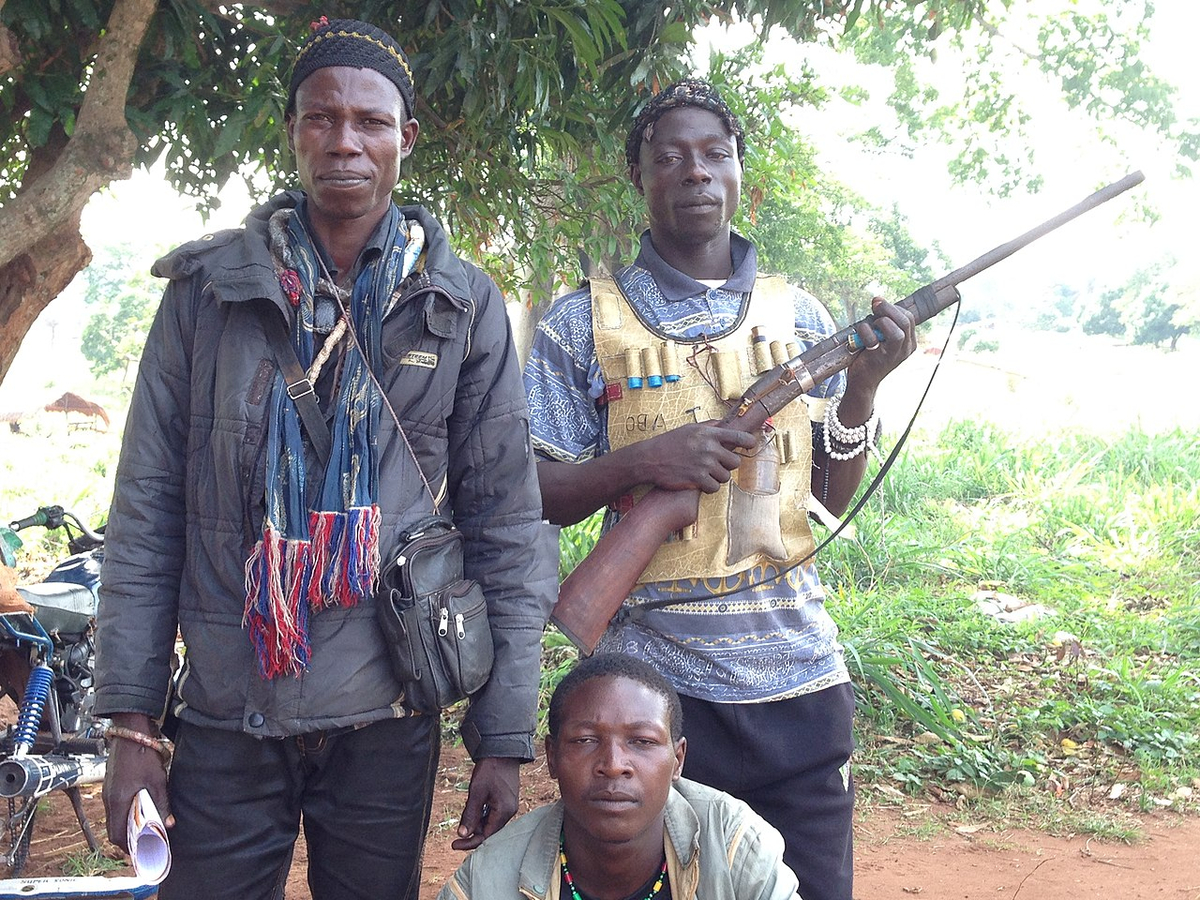
Muslim Seleka rebels and Christian "anti-balaka" vigilante forces agree to a tentative ceasefire at talks in Brazzaville.
Central African Republic
8 min read
Updated By: History Editorial Network (HEN)
Published:
In July 2014, the Central African Republic (CAR), a nation beleaguered by sectarian violence, saw a glimmer of hope as warring factions reached a tentative ceasefire agreement during talks in Brazzaville, the capital of the Republic of Congo. This crucial moment was marked by efforts to halt the brutal conflict between Muslim Seleka rebels and Christian "anti-balaka" vigilante forces, which had ravaged the country since late 2012.
Background
The roots of the conflict in CAR are complex, involving a mix of political instability, ethnic tensions, and economic struggles. In March 2013, the Seleka coalition, predominantly composed of Muslim rebels, overthrew President François Bozizé, leading to widespread chaos and violence. The Seleka's rise to power prompted a backlash from predominantly Christian communities, giving rise to the "anti-balaka" (meaning "anti-machete") militias. What ensued was a vicious cycle of revenge attacks, plunging the country into anarchy and prompting a dire humanitarian crisis.
The Brazzaville Ceasefire
The ceasefire agreement was brokered under the auspices of the Economic Community of Central African States (ECCAS), with Congolese President Denis Sassou Nguesso playing a pivotal role as the mediator. The peace talks in Brazzaville, which began on July 21, 2014, aimed to create a framework for national reconciliation and the cessation of hostilities.
During these talks, representatives from both factions—Seleka and anti-balaka—agreed to halt the fighting, offering a tentative but hopeful path towards peace. The agreement called for:
Immediate Cessation of Hostilities: Both sides committed to laying down their arms and stopping all forms of violence.
Humanitarian Access: Ensuring that humanitarian aid could reach affected populations without impediments, addressing the urgent needs of the displaced and wounded.
Dialogue and Reconciliation: Promoting a national dialogue that included all ethnic and religious groups to foster understanding and pave the way for long-term peace.
Challenges and Impact
Despite the promise of the Brazzaville ceasefire, significant challenges loomed. The deep-seated mistrust between the factions and the presence of numerous armed groups complicated the enforcement of the ceasefire. Additionally, sporadic clashes continued, underscoring the fragility of the peace process.
The international community, including the United Nations and African Union, maintained a critical role in supporting CAR through peacekeeping missions and humanitarian assistance. The UN Multidimensional Integrated Stabilization Mission in the Central African Republic (MINUSCA), established in April 2014, was instrumental in protecting civilians and supporting the transitional government.
Aftermath and Continuing Struggle
While the Brazzaville agreement was a significant step towards peace, the road to stability in CAR remained arduous. The interim government faced the daunting task of disarming militias, restoring state authority, and rebuilding the nation's shattered infrastructure. Efforts to hold democratic elections and establish a legitimate government were crucial milestones in this journey.
The conflict in CAR highlighted the devastating impact of sectarian violence and the importance of inclusive political processes in post-conflict recovery. The tentative ceasefire of July 2014 stands as a reminder of the power of dialogue and the ongoing need for concerted efforts to achieve lasting peace.
#MomentsOfLife #MoofLife_Moment #MoofLife #CentralAfricanRepublic #Seleka #AntiBalaka #PeaceProcess #BrazzavilleCeasefire #HumanitarianCrisis #ECCAS #MINUSCA #Reconciliation
Explore the Life Moments of
 AI Twin