
Armenia

Gateway to Ancient Traditions and Scenic Beauty
Related Lives

Wimbledon Championships
Tennis Tournament

Vietnam
Land of the ascending dragon.

Gambia
The Smiling Coast of Africa

Feminism
Heartbeat of Social Change

Burundi
The Land of a Thousand Hills

South Korea
The Land of Morning Calm

Uganda
Pearl of Africa

India
The Land of Diversity and Vibrant Culture.

1555
The Treaty of Amasya was a pivotal agreement between the Ottoman Empire and the Safavid Empire, establishing boundaries and restoring peace after years of conflict. The treaty, signed in Amasya, a city in modern-day Turkey, solidified the status quo ante bellum between the two empires. It delineated the territorial boundaries, with Armenia serving as a significant region affected by the agreement.
This treaty had a lasting impact on Armenia, as it ended the hostilities that had plagued the region for years. It provided a framework for peaceful coexistence and trade between the Ottoman and Safavid empires, bringing stability to Armenia and allowing for cultural and economic development. The Treaty of Amasya ensured that Armenia would not be caught in the crossfire of the ongoing power struggles between the two major empires.
The provisions of the Treaty of Amasya helped shape the geopolitical landscape of the region for years to come, influencing the balance of power and diplomatic relations between the Ottoman and Safavid empires. The agreement marked a turning point in the history of Armenia, providing a period of respite from the turmoil of war and creating opportunities for growth and prosperity.
#TreatyofAmasya #Armenia #OttomanEmpire #SafavidEmpire #Peace #Diplomacy
View details1412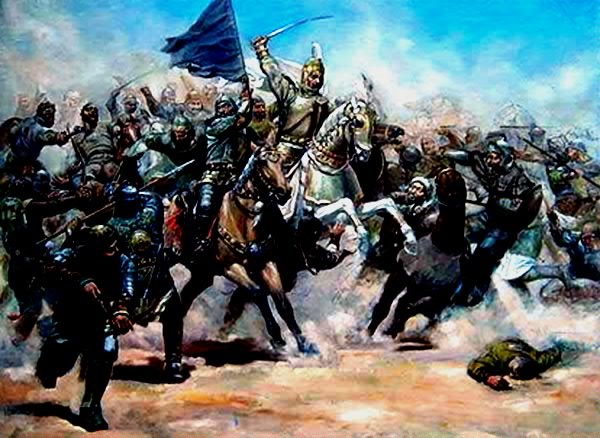
In the early 15th century, the Battle of Chalagan transpired in Armenia, a crucial clash between the forces of the Kara Koyunlu and the Timurid Empire. The battle took place near the Chalagan River, with both sides fiercely fighting to gain control over strategic territories and assert their dominance in the region.
The Kara Koyunlu, led by Qara Yusuf, emerged victorious in this bloody confrontation, securing their power in Armenia for years to come. The Timurid Empire, on the other hand, faced a significant setback, losing influence in the area and weakening their grip on the Caucasus region.
The outcome of the Battle of Chalagan had far-reaching consequences for the political landscape of Armenia and neighboring regions. It reshaped power dynamics, shifting control from the Timurids to the Kara Koyunlu and impacting trade routes, alliances, and territorial boundaries.
This watershed moment in Armenian history underscored the strategic importance of military prowess and regional alliances in shaping the course of conflicts and determining the fate of kingdoms. The legacy of the Battle of Chalagan endures as a testament to the enduring impact of warfare on the historical narrative of Armenia.
#ArmenianHistory #BattleOfChalagan #PowerStruggles #MilitaryHistory
View details1386
During Hetoum II's reign, the Kingdom of Armenia faced threats from the powerful Mamluk Sultanate. In 1386, Hetoum II formed an alliance with the Kingdom of Georgia to confront this common enemy. This alliance was strategic, aiming to counter the expansionist policies of the Mamluks in the region.
The collaboration between Hetoum II and the Kingdom of Georgia had a significant impact on the geopolitical landscape of the time. It provided both kingdoms with a united front against the Mamluks, enhancing their defense and deterring potential invasions. The military cooperation between Armenia and Georgia also allowed for the exchange of knowledge and resources, strengthening their positions in the face of external threats.
The alliance between Hetoum II and the Kingdom of Georgia against the Mamluks showcases the importance of regional partnerships in maintaining stability and security. It underlines the diplomatic efforts made by Armenian rulers to safeguard their domains from hostile forces, emphasizing the need for strategic alliances in times of crisis.
#HetoumII #ArmenianHistory #Geopolitics #MamlukSultanate #Alliance #Diplomacy
View details1340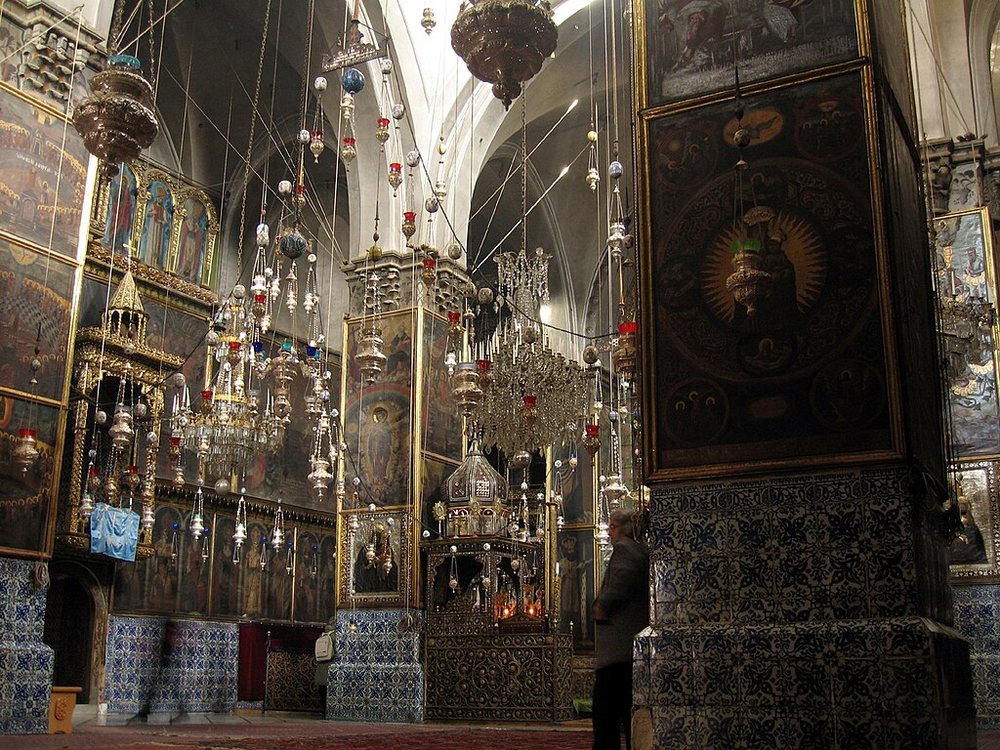
Armenian architects undertook the construction of the grand Cathedral of Saint James in Jerusalem in 1340. The Cathedral stands as a testament to Armenian architectural prowess and the enduring Armenian presence in Jerusalem. The project was a result of the Armenian community's desire to establish a spiritual and cultural landmark in the Holy City.
The Cathedral of Saint James serves as a significant religious site for Armenian Christians and a symbol of their heritage and faith. It houses intricate artwork and relics that showcase the rich history of the Armenian people. The architectural style of the Cathedral reflects a blend of Armenian and Byzantine influences, highlighting cultural exchanges and artistic collaborations in the region.
This construction project brought together skilled Armenian craftsmen and artisans, creating a sense of unity and pride within the Armenian community in Jerusalem. The completion of the Cathedral of Saint James solidified the Armenian presence in the city and strengthened their cultural identity in the region.
#ArmenianArchitecture #CathedralofSaintJames #JerusalemHistory
View details1266
Following increasing tensions between Cilician Armenia and the Mamluks, the Battle of Mari unfolded, showcasing a turning point in the power dynamics of the region. The forces of Cilician Armenia, led by King Hethum I, faced off against the Mamluk army near the town of Mari. Despite being outnumbered, the skilled tactics and fierce determination of the Armenian troops proved to be decisive. The battle culminated in a significant victory for Cilician Armenia, as they succeeded in repelling the Mamluk forces and securing their territorial integrity.
The aftermath of the Battle of Mari had far-reaching consequences. It solidified the position of Cilician Armenia as a formidable regional power and served as a testament to their military prowess. Additionally, this victory bolstered the morale of the Armenian people and enhanced their sense of national identity.
The Battle of Mari underscored the strategic importance of military strength in safeguarding the sovereignty of Cilician Armenia against external threats. It stands as a defining moment in the history of the region, symbolizing the resilience and valor of the Armenian forces in the face of adversity.
#Armenia #BattleofMari #CilicianArmenia #Mamluks #HistoricVictory
View details1239
The Capture of Ani by the Mongols marked a turning point in Armenia's history. Ani, once a prosperous city and capital of the Bagratid Armenian kingdom, fell into the hands of the Mongols after a brutal siege. The Mongols, led by General Chormaqan, strategically surrounded Ani, cutting off supply routes and weakening its defenses.
The fall of Ani had devastating consequences for the Armenian people. The city, known for its rich culture, stunning architecture, and vibrant trade, was left in ruins. The Mongols pillaged the city, destroying many of its iconic buildings and leading to a significant decline in its population.
The capture of Ani by the Mongols not only reshaped the physical landscape of Armenia but also had long-lasting implications for its political and cultural identity. The event shattered the Armenian Kingdom's power and influence in the region, paving the way for foreign domination in the centuries to come.
Today, the ruins of Ani stand as a poignant reminder of the city's glorious past and the impact of the Mongol invasion on Armenia's historical legacy. #CaptureOfAni #MongolInvasion #ArmenianHistory
View details1205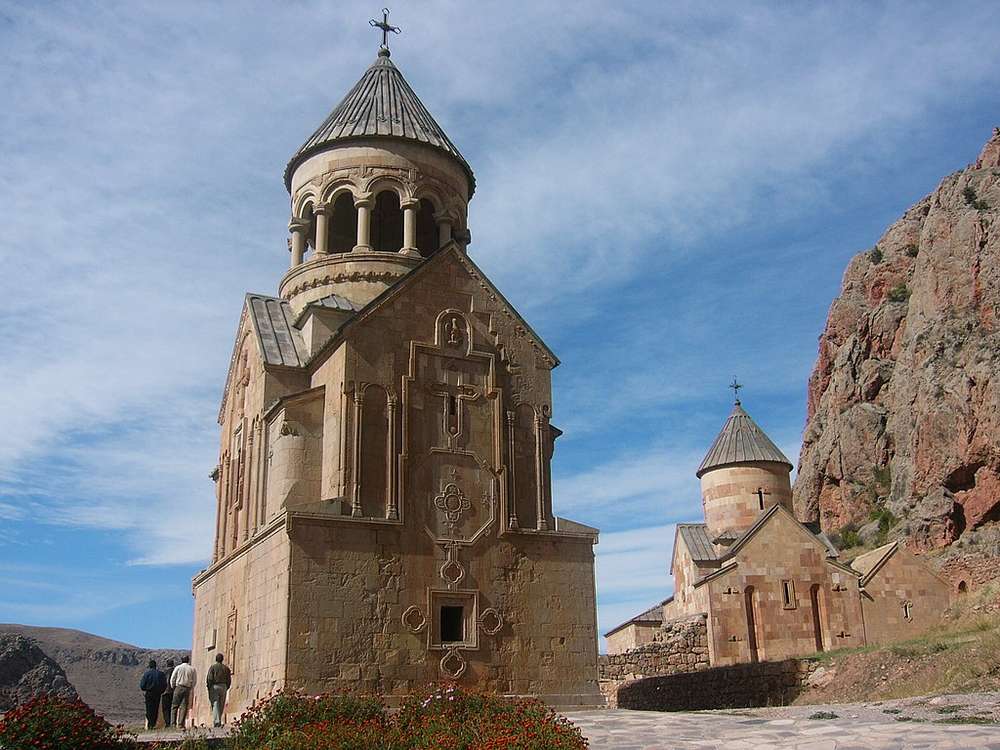
In 1205, construction began on the Noravank Monastery in Armenia. The monastery was commissioned by Bishop Hovhannes, a prominent figure in the region, as a memorial to his family. The site was chosen for its strategic location in a narrow gorge, surrounded by stunning red cliffs.
Noravank Monastery became a center of religious and cultural significance, attracting pilgrims and scholars from far and wide. The complex included churches, chapels, and other structures, adorned with intricate carvings and ornate decorations typical of Armenian medieval architecture.
The completion of the Noravank Monastery marked a milestone in the architectural history of Armenia, showcasing the innovative construction techniques and artistic achievements of the time. The monastery also played a role in the spiritual and intellectual life of the region, fostering the exchange of ideas and the preservation of religious traditions.
Today, Noravank Monastery stands as a testament to the rich cultural heritage of Armenia, drawing visitors from around the world to marvel at its beauty and historical significance.
#NoravankMonastery #ArmenianArchitecture #CulturalHeritage
View details1202
The Battle of Basian was a significant conflict in Armenian history. It took place within the backdrop of the Kingdom of Lesser Armenia, ruled by King Hetoum I. The battle emerged as a confrontation between the Armenians and the Seljuk Turks, who aimed to expand their territorial influence. Led by Hetoum I, the Armenian forces displayed remarkable strategic prowess, ultimately securing a decisive victory over the Seljuks.
The impact of the Battle of Basian was profound as it not only solidified the defense of Lesser Armenia but also boosted the morale of the Armenian population. The victory ensured a period of relative stability and security for the Kingdom of Lesser Armenia, allowing for cultural and economic development to flourish. Furthermore, the defeat of the Seljuk Turks at Basian served as a deterrent, preventing further incursions into Armenian territory.
Overall, the Battle of Basian stands as a testament to the resilience and military capabilities of the Armenian forces under the leadership of King Hetoum I. It represents a pivotal moment in Armenian history, showcasing the successful defense of their kingdom against external threats.
#ArmenianHistory #KingdomofLesserArmenia #SeljukTurks #MilitaryVictory
View details1201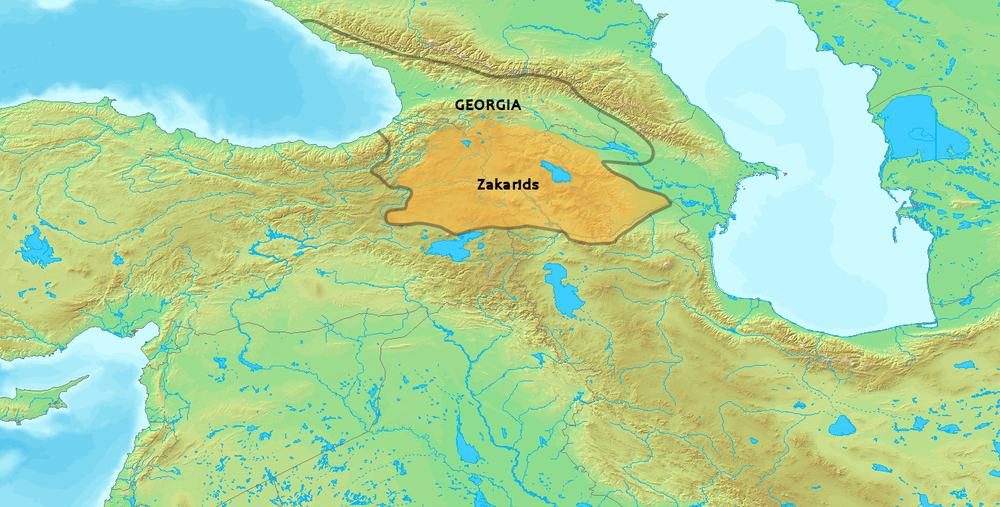
The Zakarid Principality was established through a strategic alliance between Armenian noble families and the Georgian Kingdom. This union aimed to counter the Seljuk Turk incursions into the region. The Principality encompassed various territories in present-day Armenia and played a pivotal role in safeguarding the Armenian cultural and political identity during a tumultuous period marked by external threats.
The Zakarid Principality emerged as a beacon of stability, fostering a sense of unity among the Armenian population. Its establishment provided a crucial buffer against neighboring powers and enabled the preservation of Armenian heritage and traditions. The Principality also facilitated cross-cultural exchanges, contributing to the flourishing of art, literature, and architecture in the region.
Over time, the Zakarid Principality evolved into a significant political entity, influencing the geopolitical landscape of the Caucasus. Its rulers were adept diplomats, skillfully navigating alliances and conflicts to ensure the survival of Armenian statehood. The legacy of the Zakarid Principality endures in the collective memory of the Armenian people, symbolizing resilience and unity in the face of adversity.
#ZakaridPrincipality #ArmenianHistory #CulturalPreservation #GeopoliticalSignificance #CrossCulturalExchange
View details1198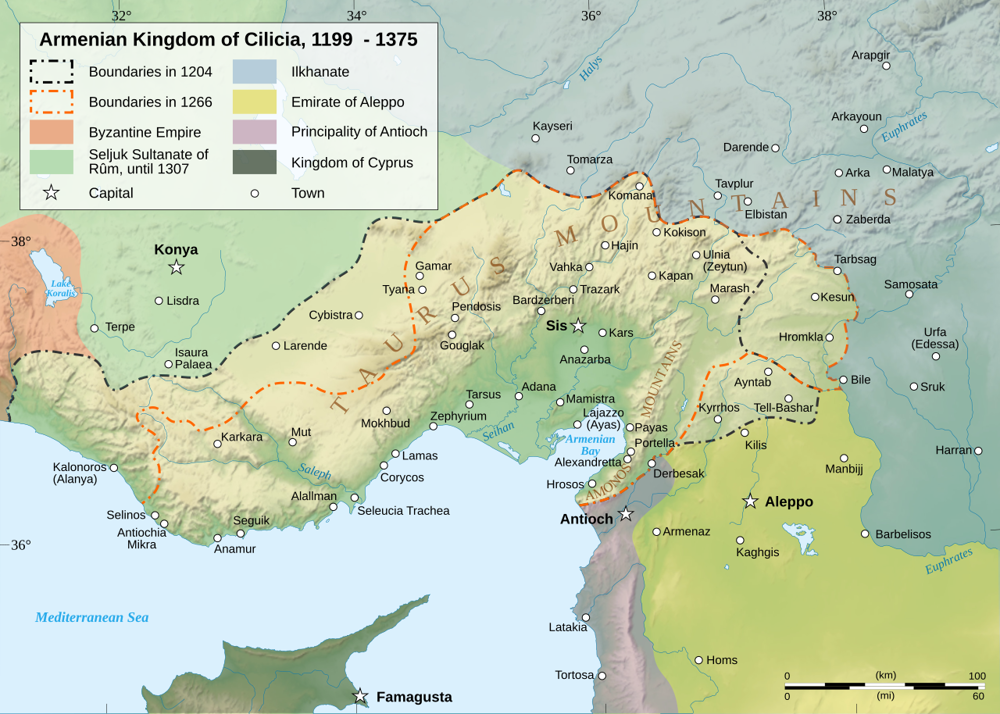
Following the fall of the Armenian Kingdom of Cilicia, a regional power vacuum emerged. In response, Prince Levon of the Rubenid dynasty allied with the Mongols to establish the Hethumid Kingdom of Cilician Armenia. This strategic move ensured stability and autonomy for the Armenian people in the tumultuous region.
The new kingdom thrived under the leadership of the Hethumid dynasty, benefitting from diplomatic relations with European powers and adopting cultural influences from both East and West. This period was marked by economic prosperity, religious tolerance, and advancements in art and architecture.
The establishment of the Hethumid Kingdom of Cilician Armenia had a lasting impact on the Armenian identity, preserving it in the face of external pressures. The kingdom served as a bulwark against invading forces and safeguarded Armenian cultural heritage.
Today, the legacy of the Hethumid Kingdom of Cilician Armenia endures, serving as a symbol of resilience and sovereignty for the Armenian people. #ArmenianHistory #CilicianArmenia #HethumidKingdom
View details1171
The Zakarid-Mkhargrzeli Revolt erupted in the Kingdom of Georgia, triggered by a power struggle fueled by territorial ambitions and political rivalries. The rebellion was led by the Zakarid and Mkhargrzeli noble families against the ruling monarchy. This internal conflict destabilized the region, leading to widespread unrest and military confrontations.
The revolt had a profound impact on the political landscape of the kingdom, weakening the central authority and dividing the nobility. The ensuing power vacuum allowed external forces to exploit the situation, further complicating the already volatile situation. As the conflict escalated, it posed a threat to the stability and unity of the Kingdom of Georgia.
Ultimately, the revolt was suppressed by the royal forces, restoring some semblance of order in the kingdom. However, the repercussions of the uprising echoed throughout the region, leaving a legacy of distrust and animosity among the nobility. The Zakarid-Mkhargrzeli Revolt was a stark reminder of the fragility of power and the enduring struggle for dominance within the feudal system.#Zakarid #Mkhargrzeli #Georgia #Revolt #Armenia
View details1170
In 1170, Mleh I was crowned as the Catholicos of All Armenians, becoming the spiritual leader of the Armenian Apostolic Church. His coronation marked a significant moment in the history of Armenia, as he took on the responsibility of guiding the faithful and overseeing religious affairs.
Born with a strong sense of devotion and scholarship, Mleh I was chosen for his deep knowledge of theology and his dedication to serving the Armenian people. His reign brought stability and unity to the church, as he worked to strengthen its institutions and promote its teachings.
Under Mleh I's leadership, the Armenian Apostolic Church flourished, expanding its influence and outreach. His efforts to support education and culture have left a lasting impact on Armenian society, shaping its spiritual and intellectual development.
The coronation of Mleh I as the Catholicos of All Armenians solidified his role as a revered figure in Armenian history, remembered for his contributions to the church and his commitment to the well-being of his people. His legacy continues to inspire generations of Armenians to this day.
#ArmenianApostolicChurch #SpiritualLeadership #CulturalHeritage
View details1080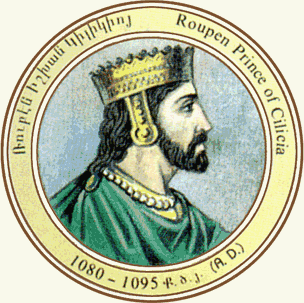
In 1080, the Kingdom of Lesser Armenia was established under Ruben I, marking a pivotal moment in Armenian history. The kingdom was founded in Cilicia, present-day southern Turkey, as a result of the Armenian nobleman Ruben I's efforts to establish a sovereign state amidst the political turmoil of the time.
The establishment of the Kingdom of Lesser Armenia had a significant impact on the region, providing Armenians with a sense of autonomy and fostering cultural and economic growth. Under Ruben I's leadership, the kingdom thrived, becoming a prominent player in regional politics and trade.
Ruben I's descendants, known as the Rubenid dynasty, continued to rule the Kingdom of Lesser Armenia for centuries, leaving a lasting legacy in Armenian history. The kingdom served as a beacon of Armenian identity and culture during a period of fragmentation and external pressures.
Overall, the establishment of the Kingdom of Lesser Armenia under Ruben I was a defining moment that shaped the course of Armenian history, setting the stage for centuries of Armenian presence in the region. #KingdomOfLesserArmenia #RubenI #ArmenianHistory 🇦🇲
View details1064
In 1064, the Seljuk Turks successfully captured Ani, the capital of the Armenian Bagratid Kingdom. This event marked a significant turning point in the history of Armenia as the city of Ani, known for its cultural and architectural richness, fell under the control of the Seljuk Turks.
The capture of Ani had a profound impact on the Armenian people, leading to a period of instability and cultural decline in the region. Many Armenians were either killed or displaced, and the city's once-thriving communities were disrupted. The loss of Ani as the capital also signified a decline in the political power and influence of the Bagratid Kingdom, ultimately shifting the balance of power in the region.
The Seljuk Turks' capture of Ani not only reshaped the political landscape of the region but also had lasting cultural repercussions. The city's architectural wonders and cultural heritage suffered significant damage and neglect under the rule of the Seljuks, further diminishing the once-vibrant capital of the Armenian Bagratid Kingdom.
#Armenia #Ani #SeljukTurks #BagratidKingdom #Capture
View details0775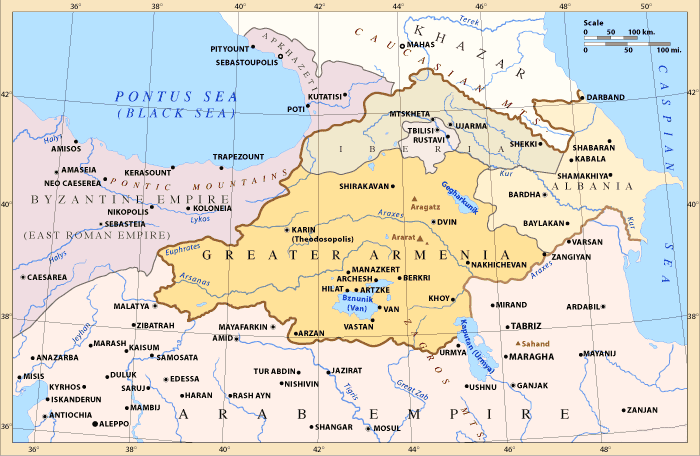
During the Battle of Bagrevand, the Armenian forces led by Smbat VII faced the Abbasid Caliphate's army. The Abbasid Caliphate aimed to impose their rule on Armenia, which led to a decisive conflict. Despite being outnumbered, the Armenian army displayed remarkable tactics and fierce resistance. The rugged terrain worked to the advantage of the Armenian forces, allowing them to launch surprise attacks and withstand the Abbasid onslaught. The battle resulted in heavy casualties on both sides. However, the Armenians emerged victorious, securing a crucial defense of their land against the Abbasid expansion. The outcome of this battle solidified Armenian autonomy and thwarted the Abbasid Caliphate's attempts to exert control. The Battle of Bagrevand stands as a testament to the Armenian resilience and their commitment to preserving their sovereignty in the face of external threats. This event underscores the significance of Armenian military prowess in safeguarding their independence and cultural heritage. #ArmenianResistance #MilitaryVictory #SovereigntyPreservation
View details0630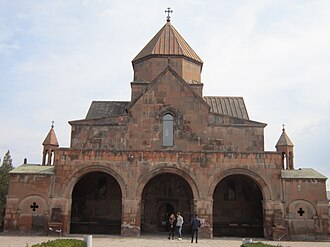
The construction of the Saint Gayane Monastery in Armenia was a pivotal project that aimed to honor the memory of Saint Gayane, a Christian martyr. The monastery was built on the site where Saint Gayane was buried after being martyred for her faith. The establishment of the monastery served as a place of worship and pilgrimage for devout Christians in the region.
The monastery's architecture showcased the traditional Armenian style of stone masonry, with intricate carvings and details that highlighted the craftsmanship of the builders. It became a spiritual and cultural center, attracting pilgrims and visitors from far and wide.
The impact of the Saint Gayane Monastery was profound, contributing to the cultural and religious heritage of Armenia. The monastery played a significant role in shaping the faith and identity of the Armenian people, as well as preserving the memory of Saint Gayane.
Today, the Saint Gayane Monastery stands as a symbol of Armenian Christianity and a testament to the enduring legacy of Saint Gayane. Pilgrims and tourists continue to visit the site, marveling at its architectural beauty and rich history.
#Armenia #SaintGayaneMonastery #Christianity #CulturalHeritage #Architecture
View details0451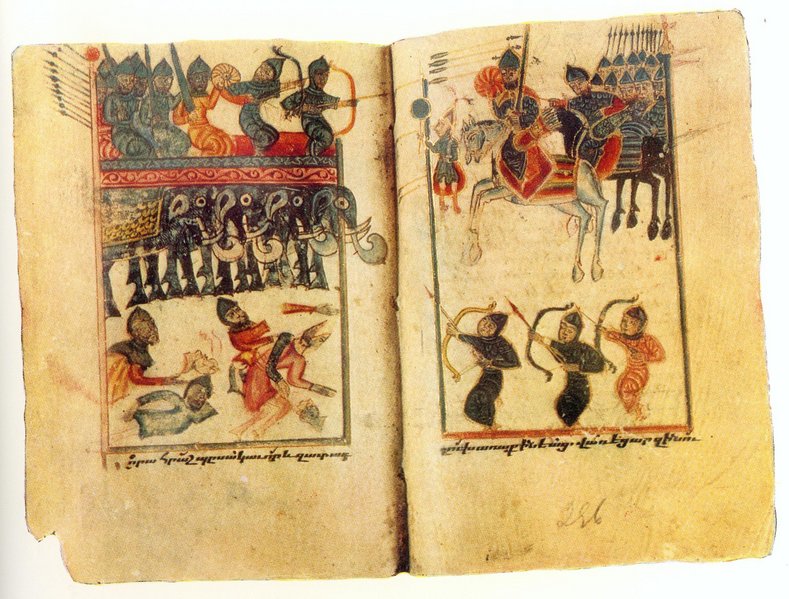
The Battle of Avarayr was a significant conflict between Armenian forces and the invading Seljuk Turks. The Armenians, led by Vardan Mamikonian, aimed to defend their land and Christian faith against the Turkic invaders. Despite being outnumbered, the Armenians fought fiercely, displaying remarkable resilience and determination on the battlefield. The Seljuk Turks, with their superior numbers and military might, ultimately emerged victorious.
The impact of the Battle of Avarayr was profound. While the Armenians suffered a military defeat, their steadfast resistance inspired a sense of national unity and solidarity. The battle became a symbol of Armenian resistance against foreign aggression and cultural assimilation. It laid the foundation for a strong sense of Armenian identity and resilience in the face of adversity.
In the aftermath of the battle, the Armenians faced continued challenges and persecution. However, the legacy of their courageous stand at Avarayr endured, shaping the collective memory and consciousness of the Armenian people. The battle remains a poignant reminder of the struggles and sacrifices made to preserve Armenian heritage and cultural identity.
#ArmenianResistance #CulturalHeritage #NationalUnity
View details0301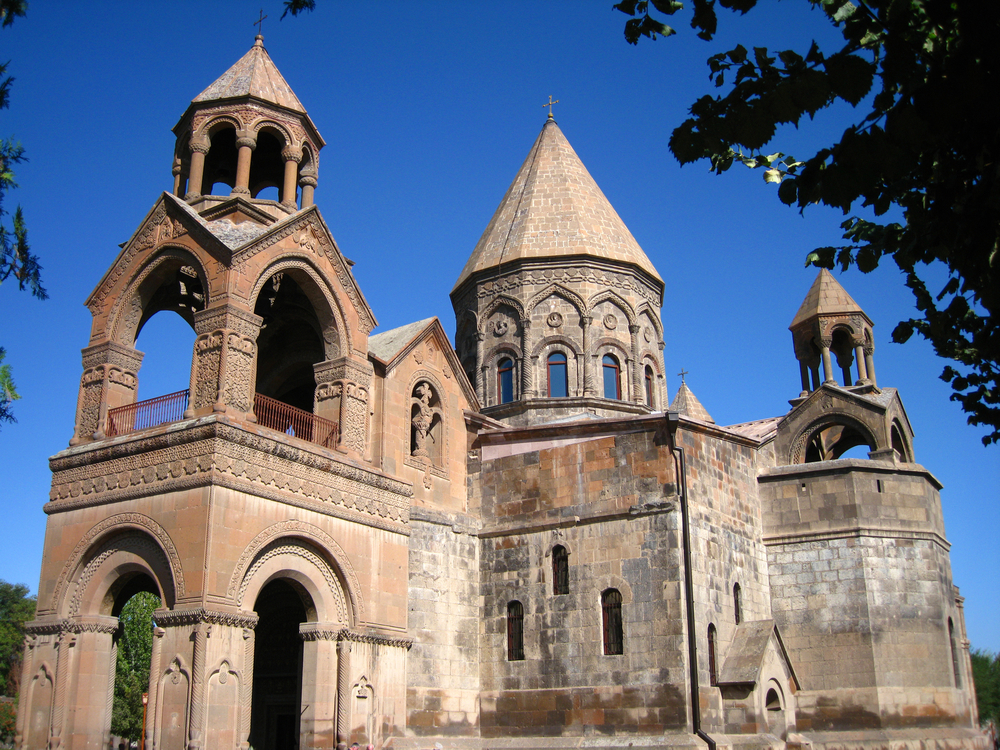
The construction of the Etchmiadzin Cathedral, the central religious center of the Armenian Apostolic Church, commenced in ancient times. Nestled in the city of Vagharshapat, Armenia, the cathedral's origins date back to a vision seen by St. Gregory the Illuminator, who designated the location for its construction. The cathedral stands as a symbol of national identity and spiritual significance for the Armenian people.
The architectural design of the cathedral incorporates elements of traditional Armenian stone masonry and reflects the country's rich cultural heritage. Over the centuries, the cathedral has undergone several renovations and expansions, each adding to its grandeur and historical value.
The completion of the Etchmiadzin Cathedral has not only served as a place of worship but has also played a crucial role in preserving Armenian religious and cultural traditions. It continues to attract pilgrims and tourists from around the world who seek to admire its architectural beauty and experience its spiritual ambiance.
As a UNESCO World Heritage Site, the Etchmiadzin Cathedral stands as a testament to Armenia's enduring faith and resilience. It remains a focal point for Armenians globally and a source of pride for the nation, symbolizing unity and continuity in the face of adversity.
#Armenia #EtchmiadzinCathedral #ArmenianApostolicChurch #CulturalHeritage
View details