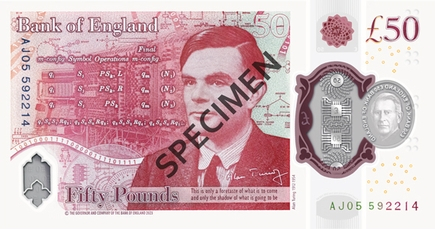
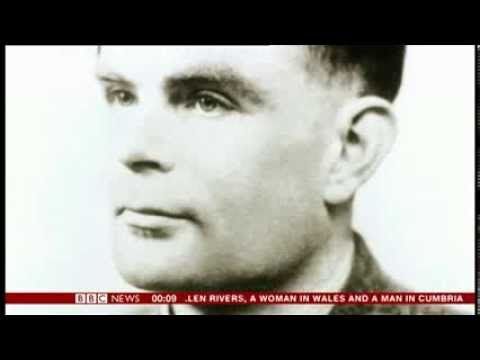
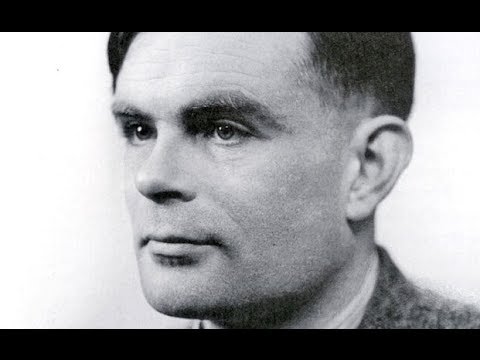
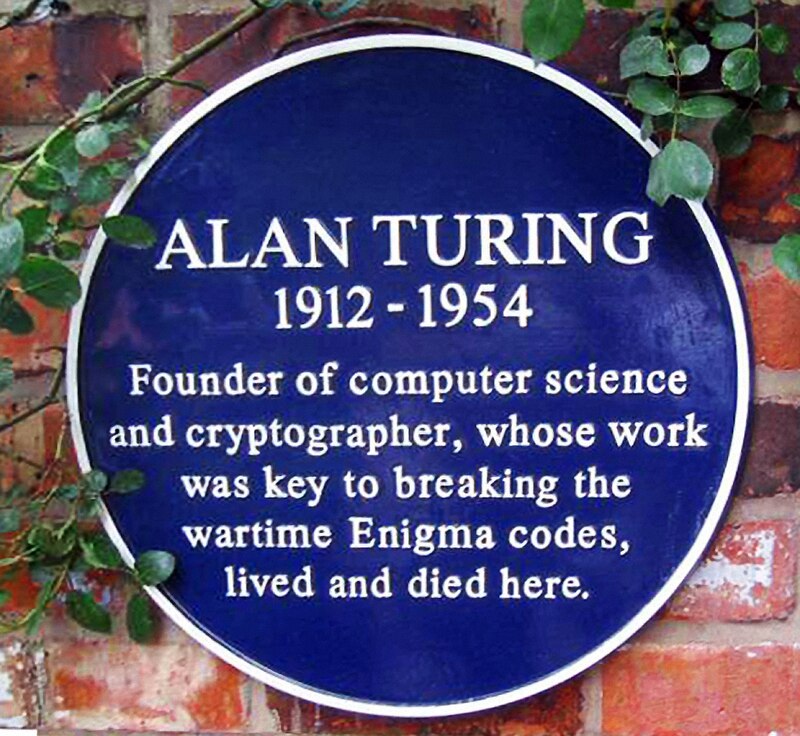
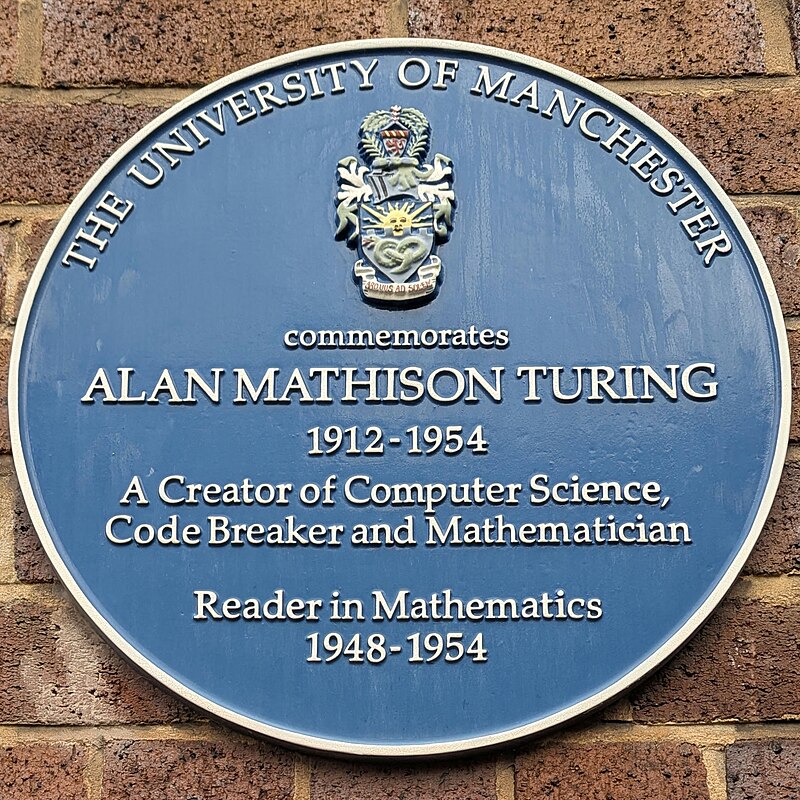
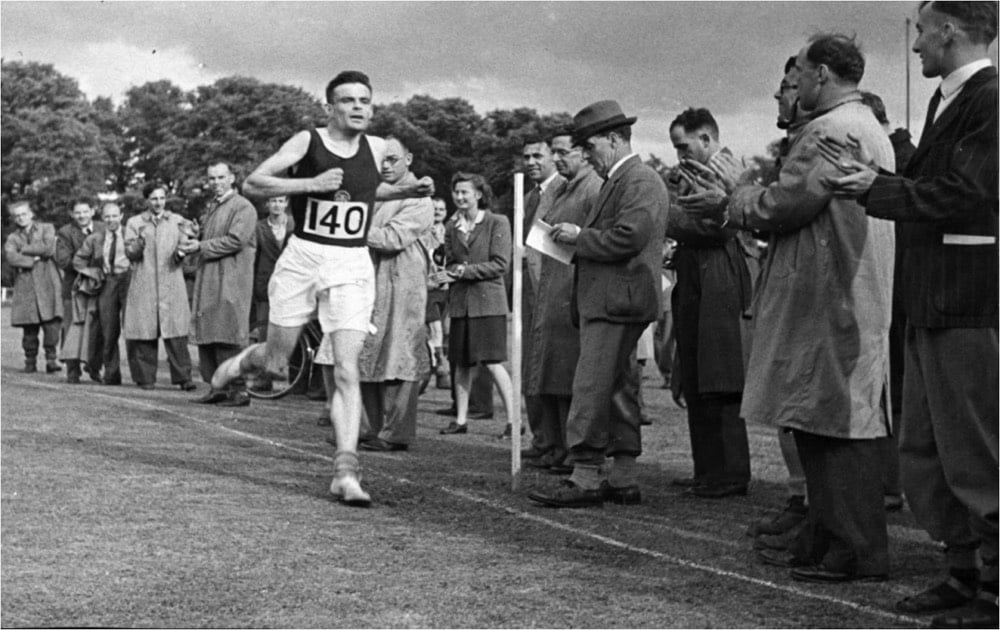
Alan Turing

Logic, Loss, and Legacy
About
#AlanTuring
#FatherOfComputing
#CodeBreaker
#ArtificialIntelligence
#LegacyOfLogic
Life Classifications
Mathematician, Computer scientist, Cryptanalyst, Philosopher, Theoretical biologist
Life ID
PL6602501256706
Verified Name
alan-turing
Life Type
Person Life
Birth
1912-Jun-23
Death
1954-Jun-07 ( at the age of 41 )
Life Editor(s)
History Editorial Network (HEN)
Life Privacy
Public
Subscription
Elite
Created On
2025-07-04
Updated On
2025-12-21
Connect
Related Lives
Rachel McAdams
The Face of Cinematic Charm
Michelangelo
The Renaissance Master

Emma Stone
Versatile screen gem

Roger Federer
The Swiss Maestro
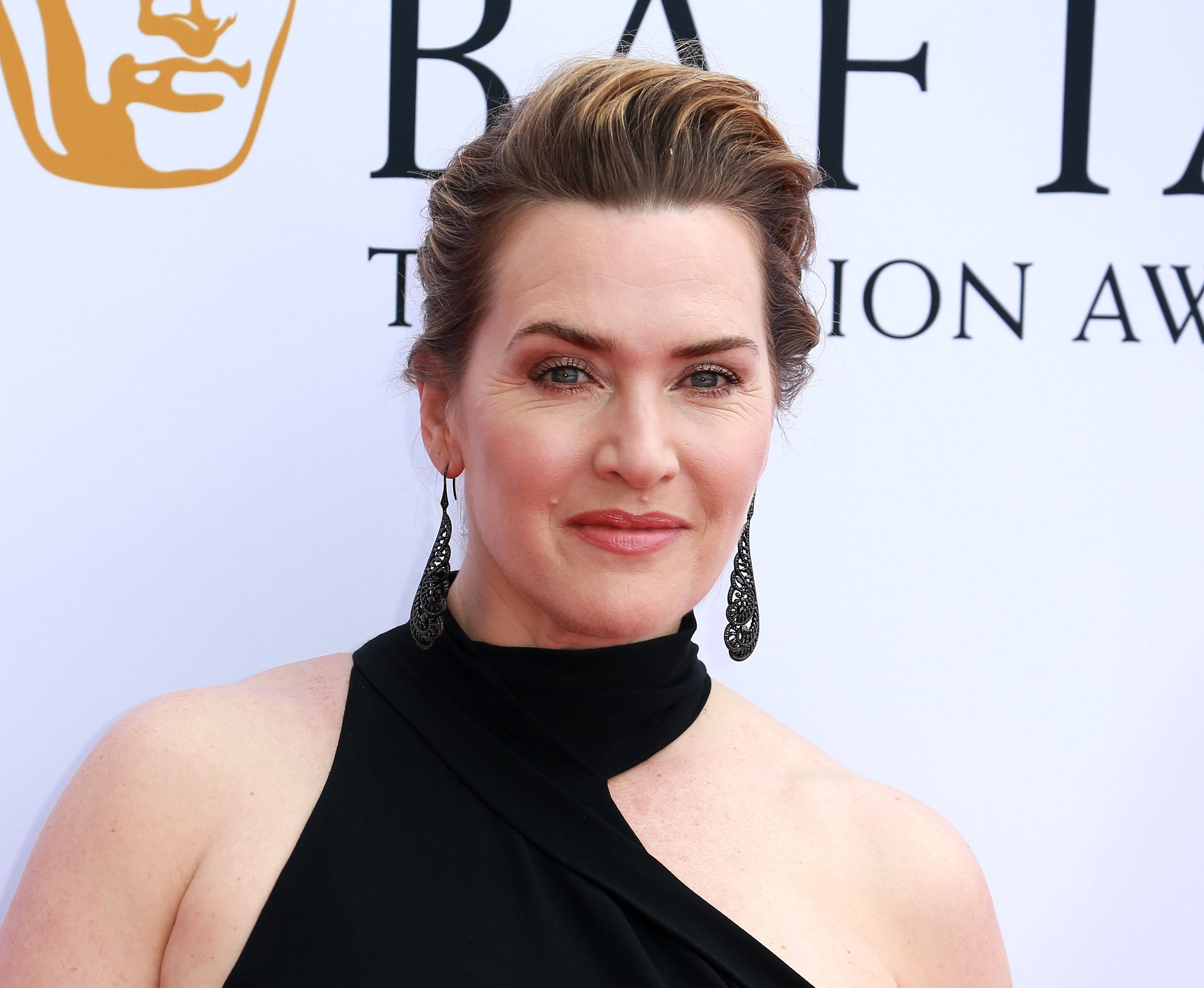
Kate Winslet
Actress
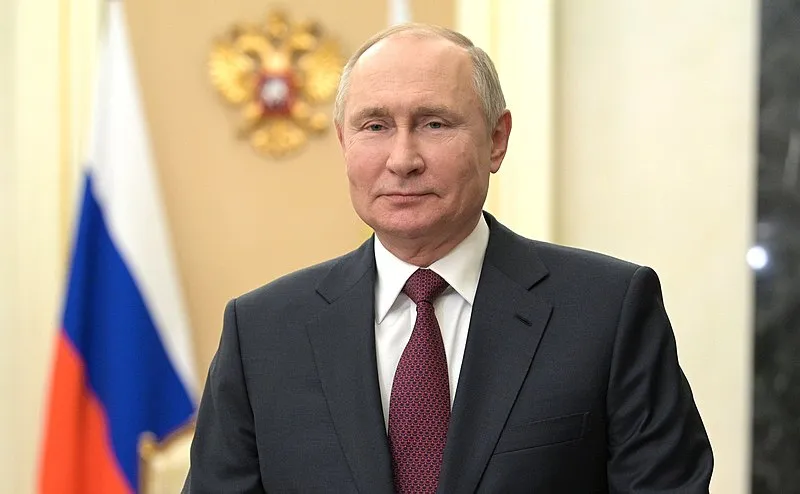
Vladimir Putin
The President of Russia
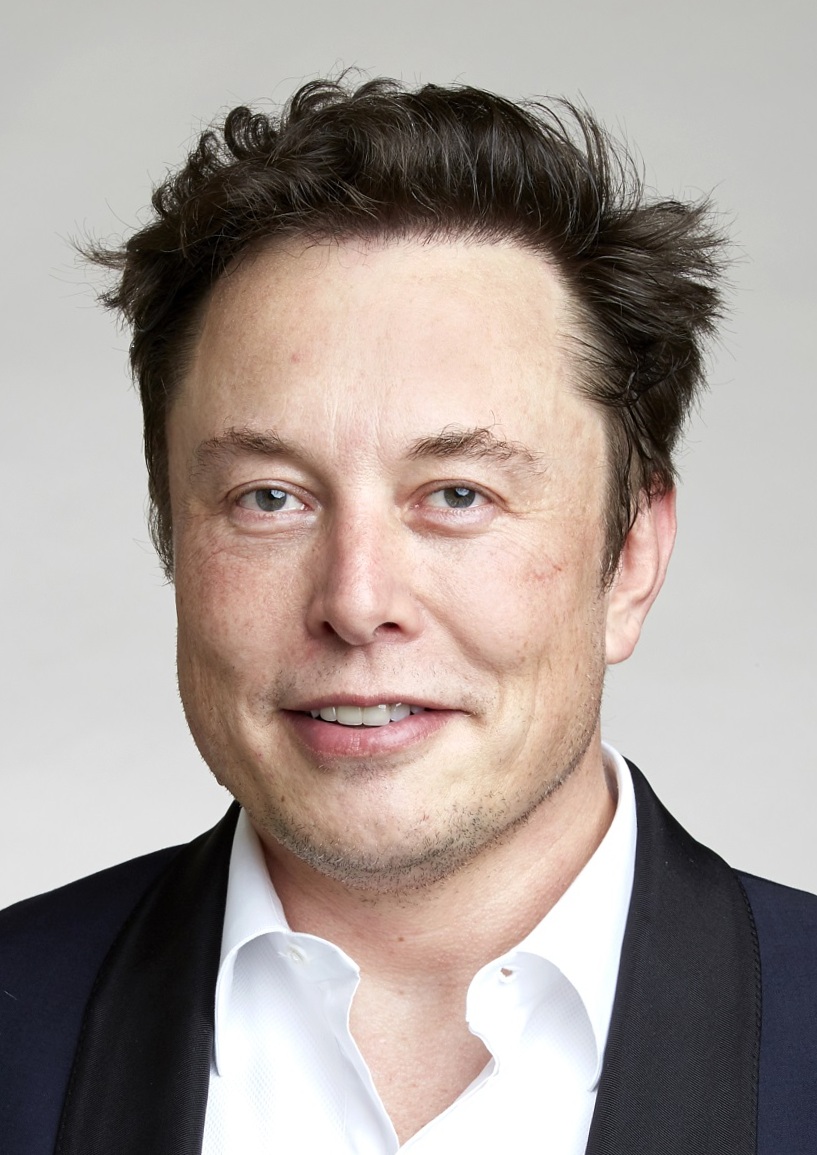
Elon Musk
Business Magnate and Investor
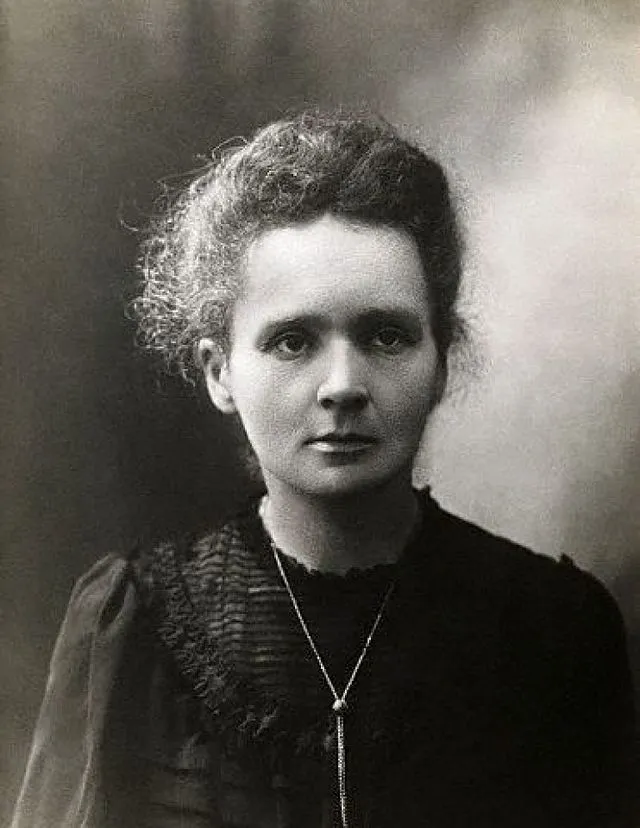
Marie Curie
Mother of Modern Physics