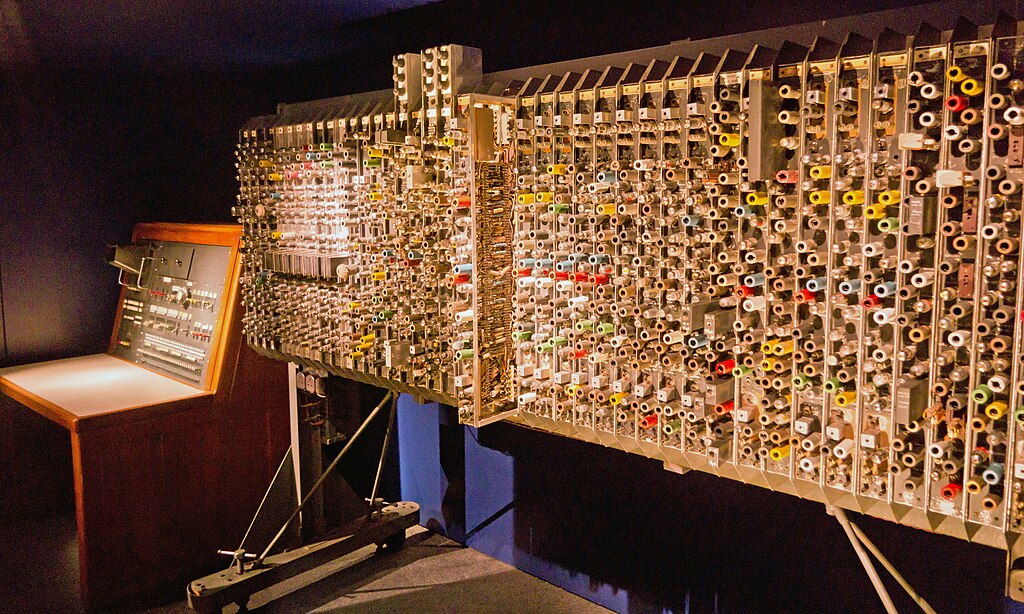
Pilot ACE Executed First Program
United Kingdom
Computer Science
History of Computing
Artificial Intelligence
3 min read
Updated By: History Editorial Network (HEN)
Published:
Updated:
The Pilot ACE, an early electronic computer, was developed during the time Alan Turing was at Cambridge. This machine was notable for its innovative design and architecture, which laid the groundwork for future computing systems. The Pilot ACE was built under the guidance of Turing and his colleagues, who aimed to create a machine capable of executing complex calculations and algorithms. Its successful execution of the first program marked a pivotal moment in the evolution of computing technology. The design principles and operational capabilities of the Pilot ACE influenced a range of subsequent computers, including the English Electric DEUCE and the American Bendix G-15. These machines adopted various features from the Pilot ACE, demonstrating its impact on the field of computer science and engineering. The Pilot ACE's architecture was characterized by its use of stored programs, which allowed it to perform a variety of tasks without the need for physical rewiring, a significant advancement in computing efficiency and flexibility. This innovation contributed to the broader acceptance and development of programmable computers, shaping the future of technology and information processing.
#mooflife
#MomentOfLife
#PilotAce
#AlanTuring
#EarlyComputers
#ComputerArchitecture
#ProgramExecution

Explore the Life Moments of
 AI Twin