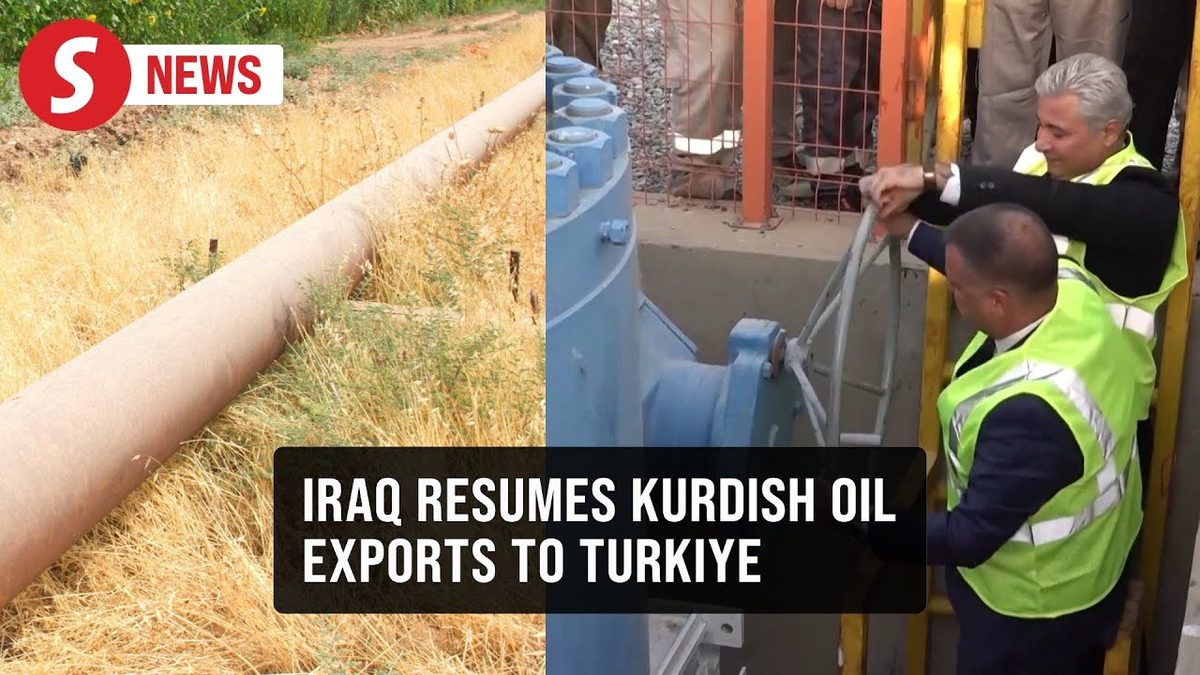
Iraq resumes oil exports to Turkey via Kirkuk–Ceyhan Pipeline after two-year halt
Iraq
4 min read
Updated By: History Editorial Network (HEN)
Published:
Iraq has resumed oil exports to Turkey through the Kirkuk–Ceyhan pipeline after a suspension that lasted nearly two years, marking a significant development in regional energy trade. The pipeline, which connects northern Iraq’s oil fields to Turkey’s Mediterranean port of Ceyhan, had been shut down due to legal disputes, political disagreements, and operational challenges involving Baghdad, the Kurdistan Regional Government, and Ankara. The restart follows renewed negotiations and technical arrangements aimed at resolving outstanding issues related to revenue sharing, export authority, and compliance with international arbitration rulings. Iraqi officials described the resumption as an important step toward stabilizing oil exports and restoring trust with regional partners.
The reopening of the pipeline carries notable economic and strategic importance for Iraq and Turkey alike. For Iraq, it provides a vital source of government revenue at a time of budgetary pressure and supports efforts to normalize energy production and exports from the north. For Turkey, the resumption reinforces its role as a key energy transit hub linking Middle Eastern resources to global markets. The move also has broader implications for global oil supply, as additional exports may help ease market tightness. Overall, the restart of the Kirkuk–Ceyhan pipeline highlights the central role of energy diplomacy in regional relations and underscores the importance of cooperation in managing shared infrastructure.

Explore the Life Moments of
 AI Twin