Widespread Protests Against Economic Hardships and Repression
Political
Social Unrest
4 min read
Updated By: History Editorial Network (HEN)
Published:
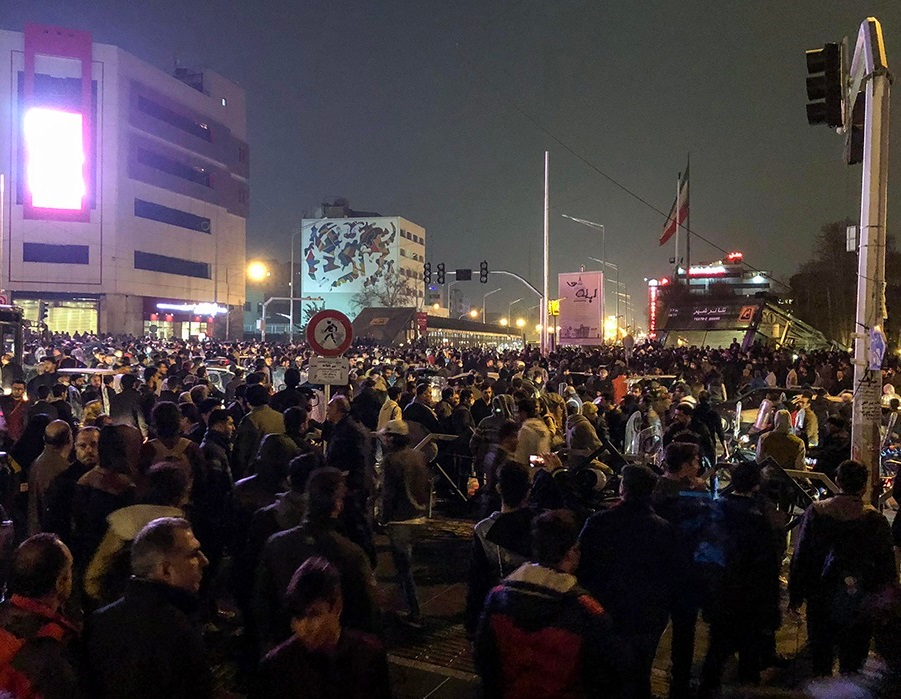
Protests erupted across Iran over economic hardships and political repression, marking the largest unrest since the 2009 Green Movement. The demonstrations began in response to rising prices, unemployment, and allegations of government corruption. The initial protests in Mashhad quickly spread to other cities, with thousands of people taking to the streets to voice their grievances.
The Iranian government responded by deploying security forces to disperse the protesters, leading to clashes and arrests. Despite attempts to quell the unrest, the demonstrations continued to grow, attracting a diverse range of participants, including students, workers, and middle-class Iranians. Social media played a crucial role in organizing and spreading information about the protests, as traditional media outlets were tightly controlled by the government.
The protests highlighted the deep-seated frustrations among Iranians over economic stagnation, lack of political freedoms, and widespread government corruption. The unrest also exposed divisions within Iranian society, with some supporting the government and others calling for widespread reform. International observers closely monitored the situation, expressing concern over the government's crackdown on peaceful protestors and calling for respect for human rights.
The protests ultimately subsided after several weeks, but the underlying issues that fueled the unrest remained unresolved. The government promised economic reforms and increased political freedoms, but many Iranians remained skeptical of these commitments. The events served as a reminder of the enduring challenges facing Iran and the ongoing struggle for social, economic, and political change.
#IranProtests #EconomicHardships #PoliticalRepression #SocialUnrest
Primary Reference
The Islamic Republic of Iran Four Decades On: The 2017/18 ...

Explore the Life Moments of
 AI Twin