Protests Against the Shah: Revolution's Beginnings

Political
Global Trade
4 min read
Updated By: History Editorial Network (HEN)
Published:
In the lead-up to the Iranian Revolution, widespread discontent brewed among the Iranian population against the rule of Shah Mohammad Reza Pahlavi. The people were frustrated with the Shah's authoritarian regime, rampant corruption, and close ties with Western powers, especially the United States.
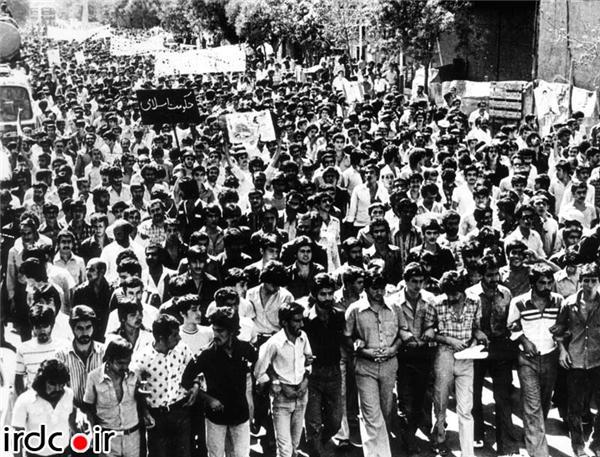
On that fateful day, the simmering tensions boiled over as the Iranian populace took to the streets in mass protests against the Shah. Demonstrations erupted in cities across the country, with people from all walks of life coming together to voice their grievances and demand political reform.
The protests marked the beginning of a protracted period of unrest and civil disobedience that would eventually culminate in the overthrow of the Shah and the establishment of an Islamic Republic in Iran. The revolution was a turning point in the country's history, leading to profound political, social, and cultural changes that continue to shape Iran to this day.
The impact of the protests against the Shah reverberated not only within Iran but also on the global stage, sparking international attention and concern over the destabilization of a key geopolitical region. The events set off a chain reaction of consequences, including the hostage crisis at the U.S. embassy in Tehran and a realignment of power dynamics in the Middle East.
The protests against the Shah signaled the deep-seated discontent and desire for change among the Iranian people, laying the groundwork for a revolution that would reshape the country's political landscape for decades to come. The events of that day were a catalyst for a larger movement that would ultimately redefine Iran's place in the world.
#IranianRevolution #Protests #Shah #PoliticalChange #Geopolitics
Primary Reference
Iranian Revolution - Wikipedia

Explore the Life Moments of
 AI Twin