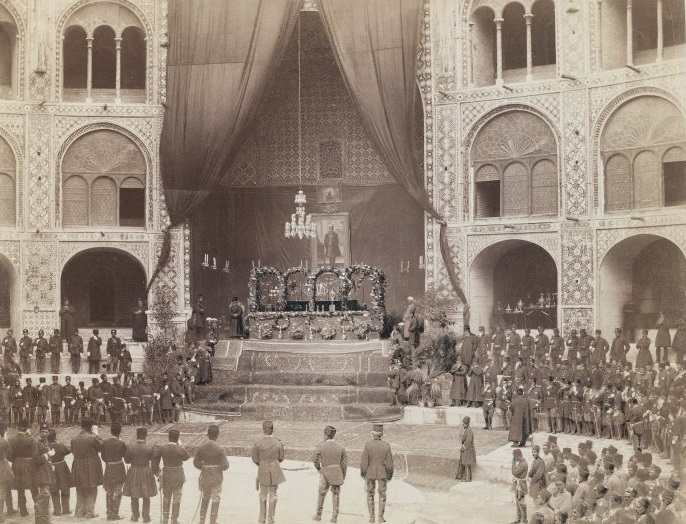
The Assassination of Naser al-Din Shah Qajar
Political
4 min read
Updated By: History Editorial Network (HEN)
Published:
Naser al-Din Shah Qajar assassination shocked the Iranian political landscape. The Shah, known for his controversial policies and resistance to reform, faced growing opposition from modernists seeking change. This discontent culminated in his assassination by Mirza Reza Kermani, a member of the Freedom Movement of Iran.
The event took place during a visit to the shrine of Shah Abdol Azim in Rey. As the Shah returned to Tehran, Kermani seized the opportunity and fired at him, resulting in a fatal wound. The Shah's death marked the end of his autocratic rule and the beginning of a period of uncertainty in Iran.
The assassination sparked mixed reactions among Iranians. While some hailed Kermani as a hero for removing an oppressive ruler, others feared the potential chaos and power struggles that could follow. The incident highlighted the deep-seated tensions between traditionalists and reformists in Iranian society.
In the aftermath, Kermani was captured and executed, becoming a martyr for the nationalist cause. The assassination of Naser al-Din Shah Qajar served as a turning point in Iran's history, leading to further calls for reforms and eventually paving the way for the Constitutional Revolution.
The event underscored the complexities of Iran's political landscape at the time, where competing ideologies and visions for the future clashed. The legacy of Naser al-Din Shah Qajar's assassination reverberates in Iranian history, representing a pivotal moment in the country's struggle for modernization and democracy.
#NaserAlDinShah #QajarAssassination #IranHistory #PoliticalTensions #ReformMovement
Primary Reference
Naser al-Din Shah Qajar - Wikipedia

Explore the Life Moments of
 AI Twin