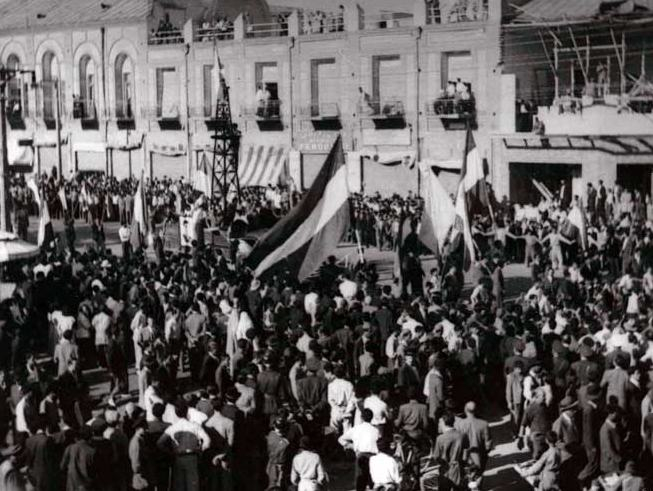
Nationalization of the Iranian oil industry by Prime Minister Mossadegh

Political
Economic Downturn
4 min read
Updated By: History Editorial Network (HEN)
Published:
Prime Minister Mohammad Mossadegh nationalized the Iranian oil industry, which had been controlled by the British-owned Anglo-Iranian Oil Company. This move was driven by a desire to reclaim Iran's oil reserves and gain more control over the country's resources. Mossadegh believed that the oil profits should benefit the Iranian people, rather than foreign interests.
The nationalization of the oil industry had a significant impact both domestically and internationally. Domestically, it was seen as a bold and assertive move towards sovereignty and economic independence. It garnered widespread support from the Iranian public, who viewed it as a step towards self-determination and national pride.
Internationally, the nationalization of the Iranian oil industry led to a diplomatic crisis. Britain, which heavily relied on Iranian oil, imposed economic sanctions and sought support from the United States to overthrow Mossadegh's government. This eventually led to the CIA-backed coup in 1953, which toppled Mossadegh and reinstated the Shah as the ruler of Iran. The consequences of this intervention were deeply felt in Iran for decades to come.
The nationalization of the Iranian oil industry by Prime Minister Mohammad Mossadegh marked a pivotal moment in the country's history. It highlighted the tensions between national sovereignty and foreign interests, and the struggle for control over valuable resources. The event underscored the complexities of international relations and the enduring legacy of colonialism in shaping the political landscape of Iran. #Iran #OilIndustryNationalization #HistoricalConflict
Primary Reference
Nationalization of the Iranian oil industry - Wikipedia

Explore the Life Moments of
 AI Twin