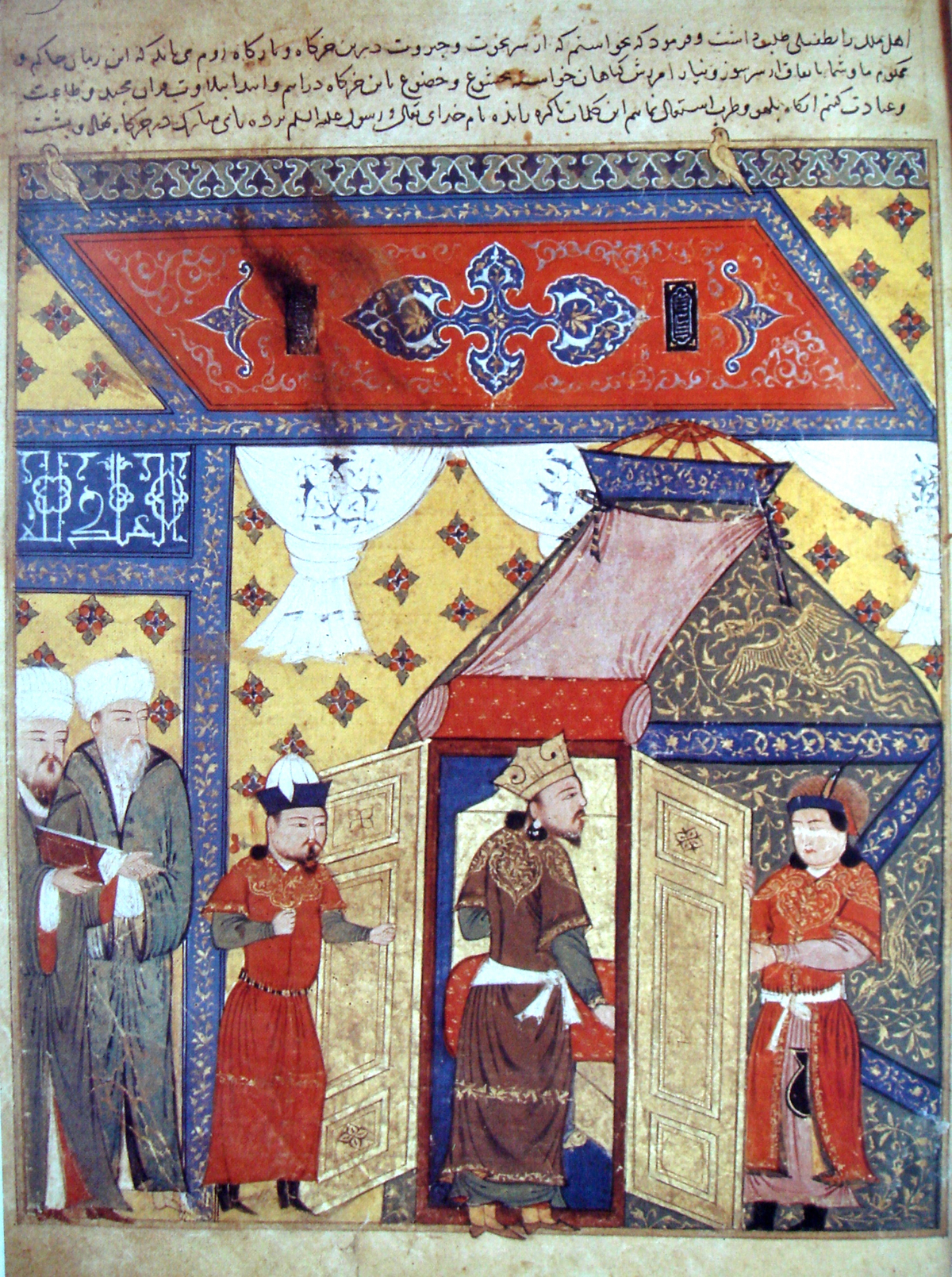
Ghazan Khan's Conversion to Islam and State Religion Shift in Ilkhanate

Religion
4 min read
Updated By: History Editorial Network (HEN)
Published:
In June 1295, Ghazan Khan, the ruler of the Ilkhanate, formally embraced Islam and adopted it as the state religion. This decision had significant implications for the region and the Ilkhanate's administration. It marked a departure from the Mongol's traditional Tengriism, shifting towards the predominantly Muslim population in Persia.
Ghazan Khan's conversion was not merely a personal choice but a strategic move to unite his subjects and consolidate his power. By embracing Islam, he could strengthen alliances with other Muslim states and gain the support of the population. The conversion also allowed him to establish closer ties with the religious establishment, granting him legitimacy in the eyes of his new subjects.
The shift to Islam as the state religion had far-reaching effects on the Ilkhanate's governance and society. Islamic law and principles began to influence the legal system, administration, and cultural practices. Mosques were constructed, Islamic schools were established, and Persian replaced Mongolian as the official language. The promotion of Islam encouraged the spread of Islamic art, architecture, and literature in the region.
Ghazan Khan's conversion to Islam altered the demographic and religious landscape of the Ilkhanate, paving the way for the Islamization of Persia. It helped foster religious tolerance and interfaith dialogue within the empire while solidifying his rule. The adoption of Islam as the state religion under Ghazan Khan's reign left a lasting legacy that shaped the socio-political dynamics of the Ilkhanate.
#GhazanKhan #Ilkhanate #Islamization #Persia #HistoricalShift
Primary Reference
Ilkhanate - Wikipedia

Explore the Life Moments of
 AI Twin