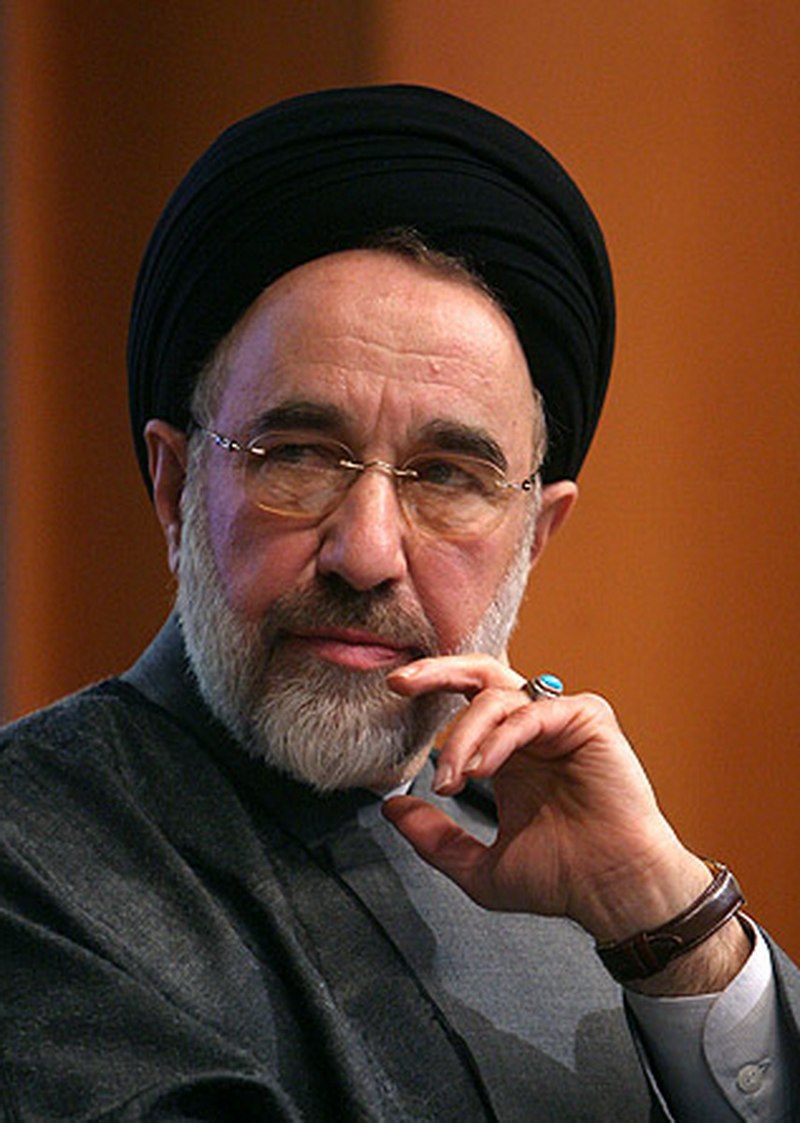
Election of Moderate President Redirects Iran's Path
Political
Reform
4 min read
Updated By: History Editorial Network (HEN)
Published:
In the historical context of Iran, the election of President Mohammad Khatami was a pivotal moment that ushered in a period of reform and political evolution. It marked a shift towards more moderate and progressive ideologies within the Iranian government. Khatami, a cleric with a background in philosophy and culture, advocated for greater social and political freedoms, as well as improved relations with the international community.
During his presidency, Khatami focused on promoting civil society, freedom of expression, and the rule of law. His efforts to foster dialogue and reconciliation both domestically and internationally were seen as a new direction for Iran. Khatami's presidency also saw a rise in civic engagement and political activism, with increased participation of women and youth in the public sphere.
The impact of Khatami's presidency was significant in shaping the political landscape of Iran. His emphasis on reform and openness challenged the conservative establishment and sparked debate on the role of religion in governance. The cultural and intellectual climate under Khatami's leadership led to a flourishing of artistic expression and intellectual discourse.
The election of Mohammad Khatami as president of Iran served as a beacon of hope for those seeking change and progress in the country. It represented a departure from the hardline policies of previous administrations and signaled a new chapter in Iran's history. Khatami's legacy as a reformist president continues to inspire movements for democratic reform and human rights in Iran today.
#Iran #Reform #PresidentKhatami #PoliticalEvolution #CivilSociety #FreedomOfExpression
Primary Reference
The Legacy of Reform in Iran, Sixteen Years Later | Brookings

Explore the Life Moments of
 AI Twin