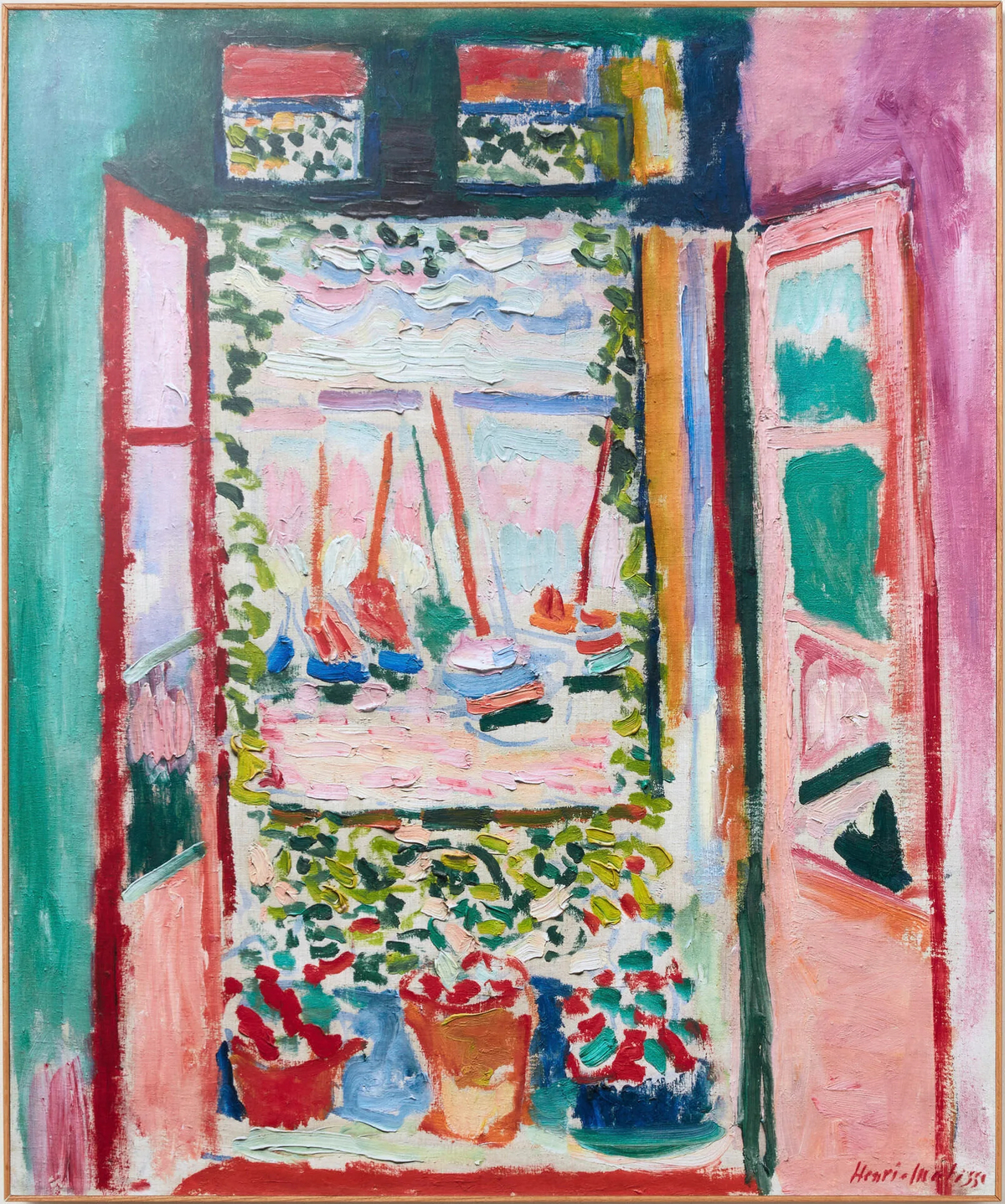
Matisse paints The Open Window
Italy
Art
Fauvism
Painting
4 min read
Updated By: History Editorial Network (HEN)
Published:
Henri Matisse's painting 'The Open Window' is a pivotal work within the Fauvism movement, which emerged as a response to the traditional approaches of art that had dominated from the Renaissance through the mid-19th century. During this period, artists primarily focused on perspective and the realistic representation of visible reality, often adhering to strict rules of composition and color. However, by the late 19th century, a shift began to occur as artists sought to break free from these conventions. Matisse, along with other Fauvist artists, aimed to express emotion through bold colors and simplified forms, prioritizing the artist's subjective experience over realistic depiction. This approach marked a significant departure from the established norms of figurative art, allowing for greater freedom in artistic expression.
The impact of 'The Open Window' extends beyond its immediate aesthetic qualities; it represents a broader movement towards modernism in art. Fauvism, characterized by its vibrant palette and innovative use of color, influenced subsequent art movements and challenged viewers' perceptions of what art could be. Matisse's work exemplifies the desire to convey feelings and sensations rather than merely replicate the external world. The painting's composition, featuring an open window that invites the viewer into a bright, colorful landscape, serves as a metaphor for the new artistic possibilities that were emerging at the time. This shift not only transformed the trajectory of Matisse's career but also laid the groundwork for future explorations in abstraction and expressionism, making 'The Open Window' a crucial piece in the evolution of modern art.
#mooflife
#MomentOfLife
#Matisse
#TheOpenWindow
#Fauvism
#ModernArt
#ArtHistory

Explore the Life Moments of
 AI Twin