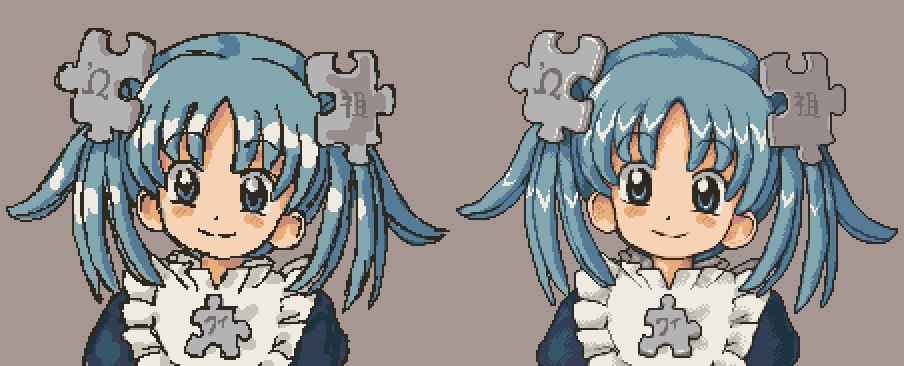
Exploring Pixel Art and Postinternet Culture
Italy
Art
Culture
Digital
4 min read
Updated By: History Editorial Network (HEN)
Published:
Updated:
Pixel art emerged as a distinct form of digital art in the 1980s, coinciding with the rise of video games and early computer graphics. This art style is defined by its use of individual pixels to create images, resulting in a blocky and pixelated aesthetic. The limitations of early computer graphics hardware necessitated a simplified visual approach, which led to the development of pixel art. Artists had to work within strict constraints, often using a limited color palette and low resolution, which fostered creativity and innovation. As video games gained popularity, pixel art became a staple in the industry, influencing not only game design but also the broader realm of digital art. The nostalgic appeal of pixel art has persisted, as it evokes memories of classic gaming experiences and has been embraced by contemporary artists and designers.
The postinternet culture has further propelled the relevance of pixel art, as it intersects with themes of digital nostalgia and the critique of contemporary media. In an age where high-definition graphics dominate, pixel art serves as a reminder of the early days of digital creativity. It challenges the notion of progress in art and technology, suggesting that simplicity can be as impactful as complexity. The resurgence of pixel art in various forms, including indie games and digital installations, highlights its adaptability and enduring charm. This cultural phenomenon reflects a broader trend of revisiting and reinterpreting past styles within the context of modern technology, creating a dialogue between the old and the new. As pixel art continues to evolve, it remains a significant element of the digital landscape, influencing artists and audiences alike.
#mooflife
#MomentOfLife
#PixelArt
#PostinternetCulture
#DigitalArt
#VideoGames
#Nostalgia

Explore the Life Moments of
 AI Twin