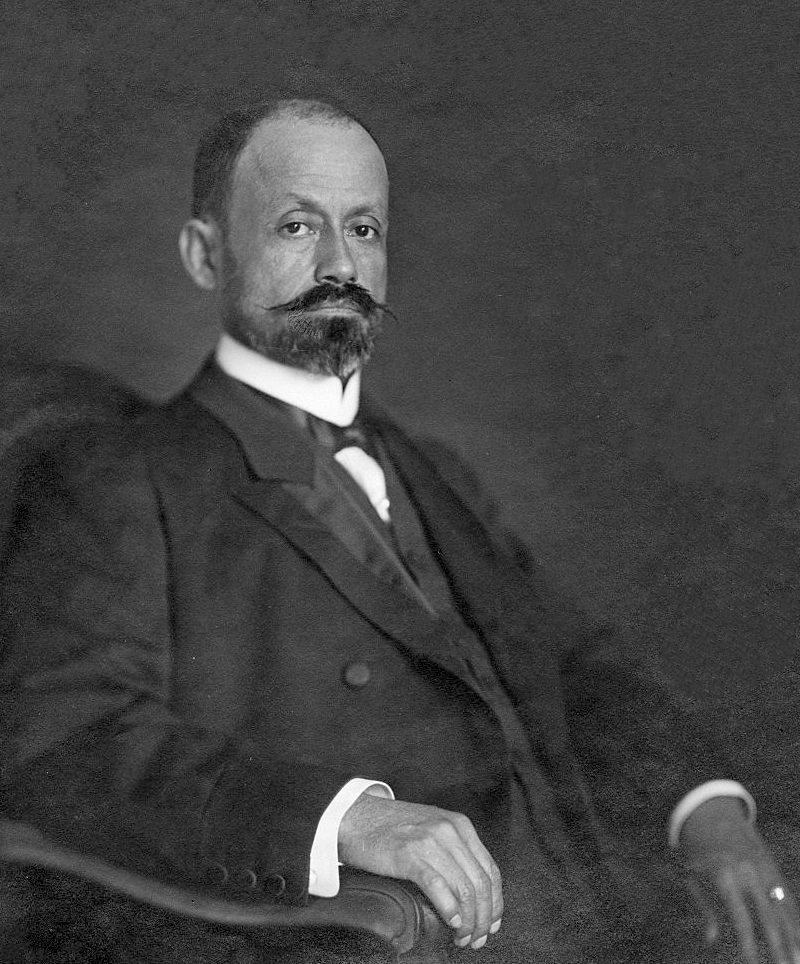
Cipriano Castro assumes Venezuela's presidency
Venezuela
Political
3 min read
Updated By: History Editorial Network (HEN)
Published:
Cipriano Castro, a Venezuelan military general, assumed the presidency following a coup d'état. His rise to power marked a turbulent period in Venezuelan history as he aimed to consolidate control over the country. Castro's leadership was characterized by authoritarianism and strongman tactics.
Under Castro's regime, Venezuela experienced political instability and economic turmoil. He implemented controversial policies that favored the interests of the ruling elite, leading to widespread discontent among the general population. Despite facing opposition from various sectors, Castro managed to maintain his grip on power through force and intimidation.
One of the defining moments of Castro's presidency was his decision to default on Venezuela's foreign debt, further isolating the country from the international community. This move had severe repercussions on Venezuela's economy, causing its reputation to suffer in the eyes of foreign investors.
The legacy of Cipriano Castro's presidency continues to resonate in Venezuela's political landscape. His authoritarian style of governance set a precedent for future leaders, shaping the country's institutions and political culture for years to come. Castro's tenure highlights the challenges of democratic governance in Venezuela and serves as a cautionary tale of the dangers of unchecked power.
#CiprianoCastro #VenezuelanHistory #PoliticalInstability #Authoritarianism
Explore the Life Moments of
 AI Twin