Rise of Oil Industry Transforms Venezuela
Venezuela
Economic Transformation
Social Progress
4 min read
Updated By: History Editorial Network (HEN)
Published:
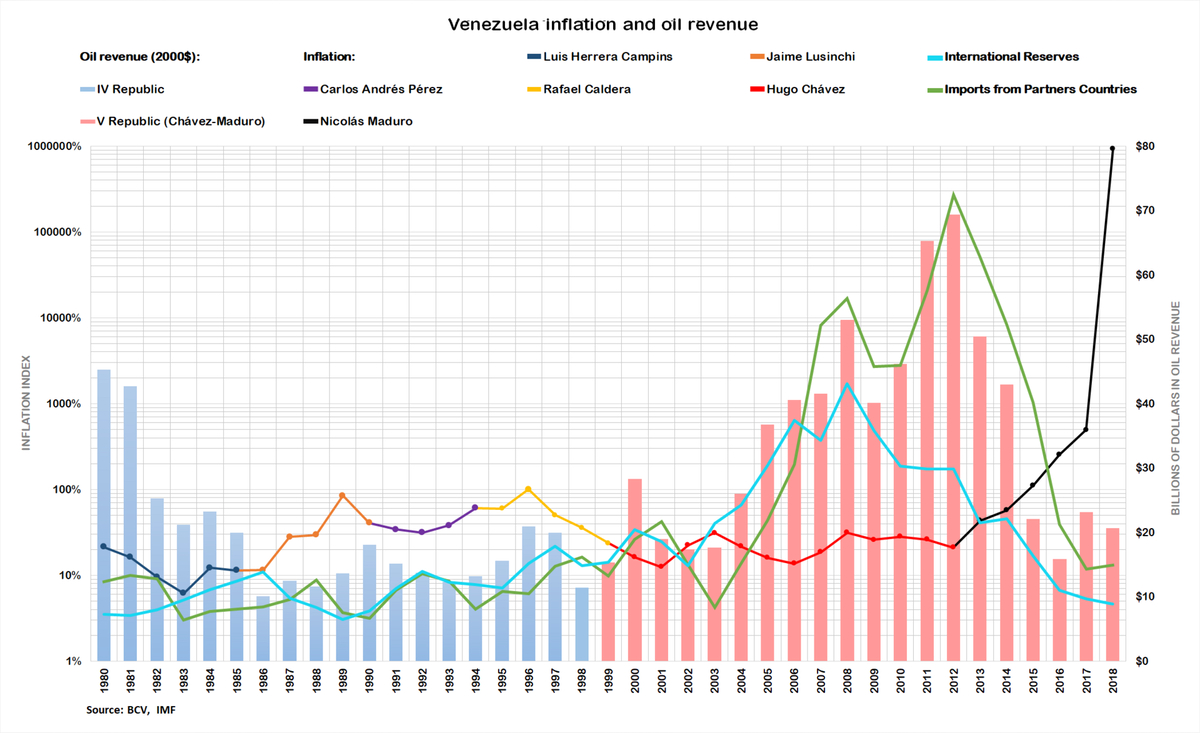
During the oil boom era in Venezuela, the discovery of vast oil reserves in the early 1950s propelled the country's economy to unprecedented levels of prosperity. Oil production quickly became the cornerstone of Venezuela's economy, transforming it into one of the world's leading oil exporters. The nationalization of the oil industry further consolidated Venezuela's position in the global market.
The influx of revenue from oil exports allowed the government to invest heavily in infrastructure, social programs, and industrial development. The increased wealth also led to a rise in living standards for many Venezuelans, with access to better healthcare, education, and housing. The oil boom created a thriving middle class and fueled rapid urbanization as people migrated to cities in search of opportunities.
However, the country's heavy reliance on oil also made it vulnerable to fluctuations in global oil prices. Economic mismanagement and over-reliance on oil revenues left Venezuela susceptible to boom-and-bust cycles, which would later contribute to economic instability and social unrest.
Despite its challenges, the oil boom era marked a period of unprecedented growth and prosperity for Venezuela, leaving a lasting impact on the country's economy and society. The legacy of the oil boom continues to shape Venezuela's economy and politics to this day, with oil remaining a key factor in the country's development.
#Venezuela #OilBoom #EconomicTransformation #InfrastructuralDevelopment #SocialProgress

Explore the Life Moments of
 AI Twin