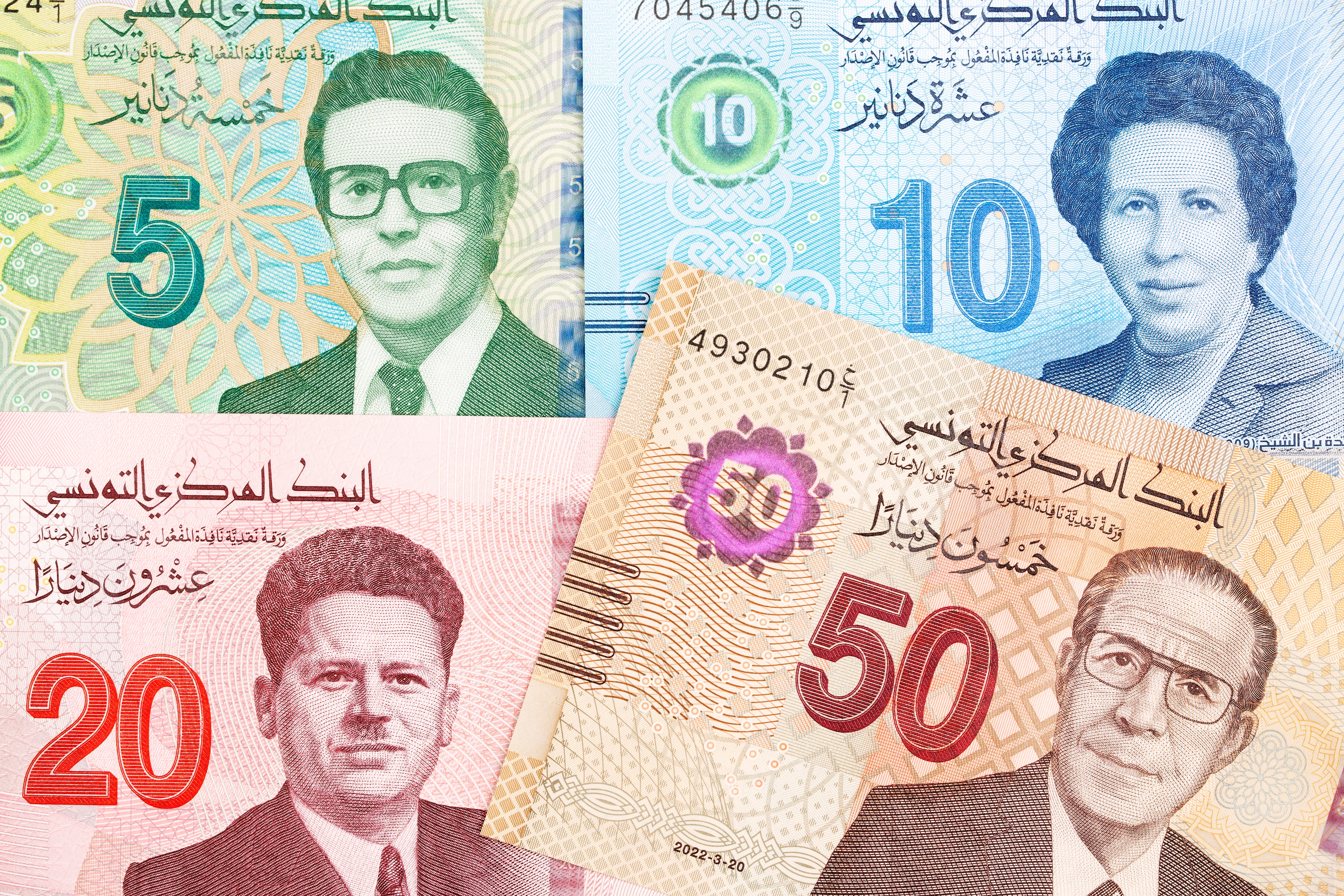
The creation of the Tunisian currency Dinar.
Tunisia

Economic
3 min read
Updated By: History Editorial Network (HEN)
Published:
In (11/1/1958), Tunisia introduced the Dinar as its official currency, replacing the French Franc. This decision aimed to assert the country's economic independence and sovereignty after gaining independence from France. The establishment of the Dinar symbolized a critical step towards consolidating Tunisia's national identity and autonomy in the financial realm.
The introduction of the Dinar had a profound impact on Tunisia's economy, facilitating internal trade and enhancing economic stability. It provided a sense of stability and confidence to the citizens, as they now had a currency that represented their nation. The shift to the Dinar also allowed Tunisia to have more control over its monetary policies and exchange rates, contributing to the country's economic growth and development.
Since its inception, the Dinar has evolved to become a symbol of Tunisia's economic resilience and independence. It has weathered various economic challenges and has remained a pillar of the country's financial system. The establishment of the Dinar stands as a testament to Tunisia's journey towards economic self-determination and national pride.
#Tunisia #Dinar #Independence #EconomicEmpowerment
Primary Reference
Stabilization Problems and Policies in Tunisia

Explore the Life Moments of
 AI Twin