Suleiman's Campaign in Moldavia: Ottoman dominance secured through strategic conquest.
Turkey
Political
Military
4 min read
Updated By: History Editorial Network (HEN)
Published:
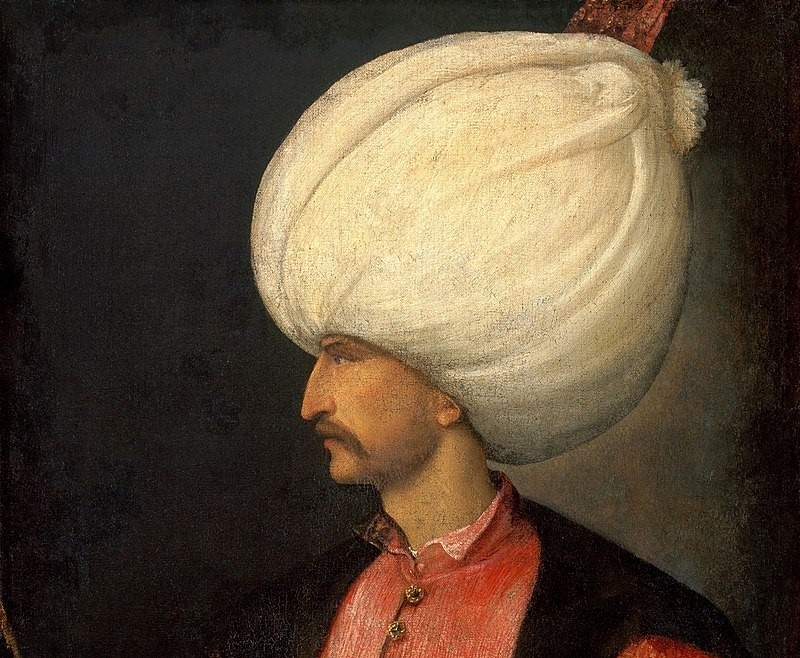
Suleiman the Magnificent embarked on a decisive military campaign targeting Moldavia. Prior tensions had escalated due to the constant power struggle and unresolved conflicts between the Ottoman Empire and local Moldavian rulers. Suleiman sought to solidify Ottoman dominance in Eastern Europe by extending his influence over Moldavia.
The invasion was methodically planned, beginning with the mobilization of a massive Ottoman force. Moldavia, under the leadership of Prince Petru Rareș, attempted to resist the invasion but faced overwhelming odds. The Ottomans pressed forward, employing superior military tactics and well-coordinated units to breach Moldavian defenses.
In this vigorous campaign, notable cities including Jassy (Iași) and Suceava fell to the Ottomans. The capture of these major cities marked a significant territorial and strategic gain for Suleiman, reinforcing Ottoman presence in the region. The fall of Suceava, which was the Moldavian capital, underscored the decisive nature of the campaign.
The immediate impact on Moldavia was profound. The established political order was disrupted, and the local economy suffered under the strain of Ottoman occupation. Petru Rareș fled, marking an end to his resistance. The takeover not only expanded Suleiman's empire but also secured vital trade routes and regional dominance, extending Ottoman influence deep into Europe.
In the broader historical context, the invasion symbolized the extensive reach of the Ottoman Empire during Suleiman's reign. It illustrated the interplay of military prowess, strategic foresight, and political maneuvering that characterized his leadership.
#MoldaviaInvasion #OttomanExpansion #SuleimanTheMagnificent #MilitaryCampaign #EasternEuropeHistory #MoofLife
Explore the Life Moments of
 AI Twin