Influential Figure: Suleiman the Magnificent in Shakespeare's Merchant of Venice
Turkey
Literature and Global Trade
3 min read
Updated By: History Editorial Network (HEN)
Published:
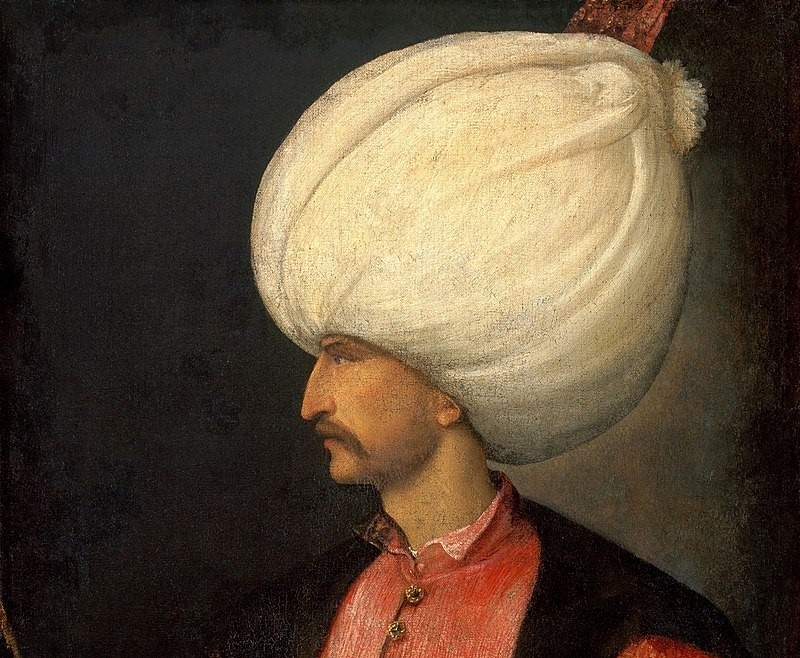
William Shakespeare, in The Merchant of Venice, referenced Suleiman, also known as Suleiman the Magnificent, highlighting his extensive military reputation. Suleiman ruled the Ottoman Empire, expanding its territories significantly through a series of successful military campaigns. He is remembered for his effective strategy and leadership in battles across Europe, North Africa, and the Middle East.
The reference in Shakespeare's play marks an acknowledgment of Suleiman's influence beyond his empire, reaching into the cultural and intellectual hubs of Europe, including England. During this period, there was a heightened interest in the Ottoman Empire among Europeans, driven by trade, political engagement, and mutual curiosity. The inclusion of Suleiman in literature underscores the impact his reign had on contemporary understanding and representation of power.
Shakespeare's allusion to Suleiman would have been instantly recognizable to audiences, reflecting widespread knowledge of the Ottoman ruler's accomplishments. Such references also highlight the interconnectedness of different regions, mirroring the global interactions of the time. This moment serves as an example of how Eastern figures were integrated into Western narratives, contributing to a more complex understanding of global politics and power dynamics.
#Shakespeare #Suleiman #MerchantOfVenice #OttomanEmpire #MilitaryHistory #LiteratureAndHistory #MoofLife
Primary Reference
Safavid Iran - Wikipedia
Explore the Life Moments of
 AI Twin