Celalzade Mustafa's Literary Construction of Suleiman the Magnificent in Ottoman History.
Turkey
Political
3 min read
Updated By: History Editorial Network (HEN)
Published:
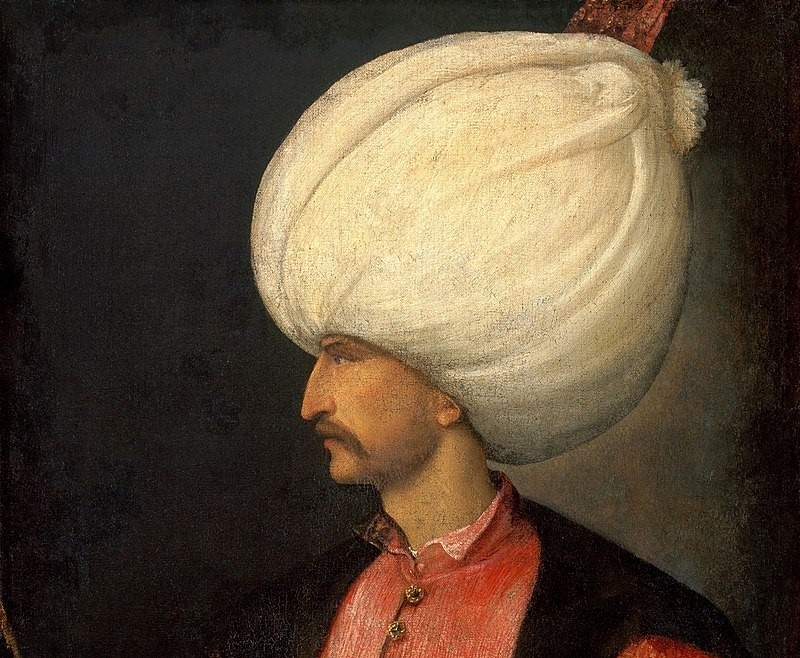
Celalzade Mustafa, serving as the chancellor under Suleiman the Magnificent, played a crucial role in crafting an idealized image of the sultan through various literary endeavors. As the author of many key state documents and chronicles, Mustafa's work aimed to portray Suleiman not just as a ruler, but as a paragon of justice and piety. This literary construction served multiple purposes: it validated Suleiman's rule, reinforced the administrative and legal reforms he enacted, and promoted the idea of a benevolent and just sovereign to both his subjects and enemies.
One notable work is the "Tabakātü'l Memâlik ve Derecâtü'l-Mesâlik," a chronicle that extols Suleiman's virtues and accomplishments. This and other works by Mustafa can be seen as tools of statecraft, designed to solidify the sultan's image as "Kanuni," or "The Lawgiver." Such texts bolstered the perception of Suleiman's reign as a golden age, characterized by unparalleled justice, wealth, and military success.
Mustafa's efforts contributed significantly to the long-lasting legacy of Suleiman, ensuring his reputation endures in both Turkish and global history. The narratives crafted under Mustafa's guidance were pivotal for subsequent historiographies, influencing perceptions for centuries.
#SuleimanTheMagnificent #OttomanEmpire #Historiography #LiteraryLegacy #MoofLife
Primary Reference
Easytech - Three famous generals in European War 5 --... | Facebook
Explore the Life Moments of
 AI Twin