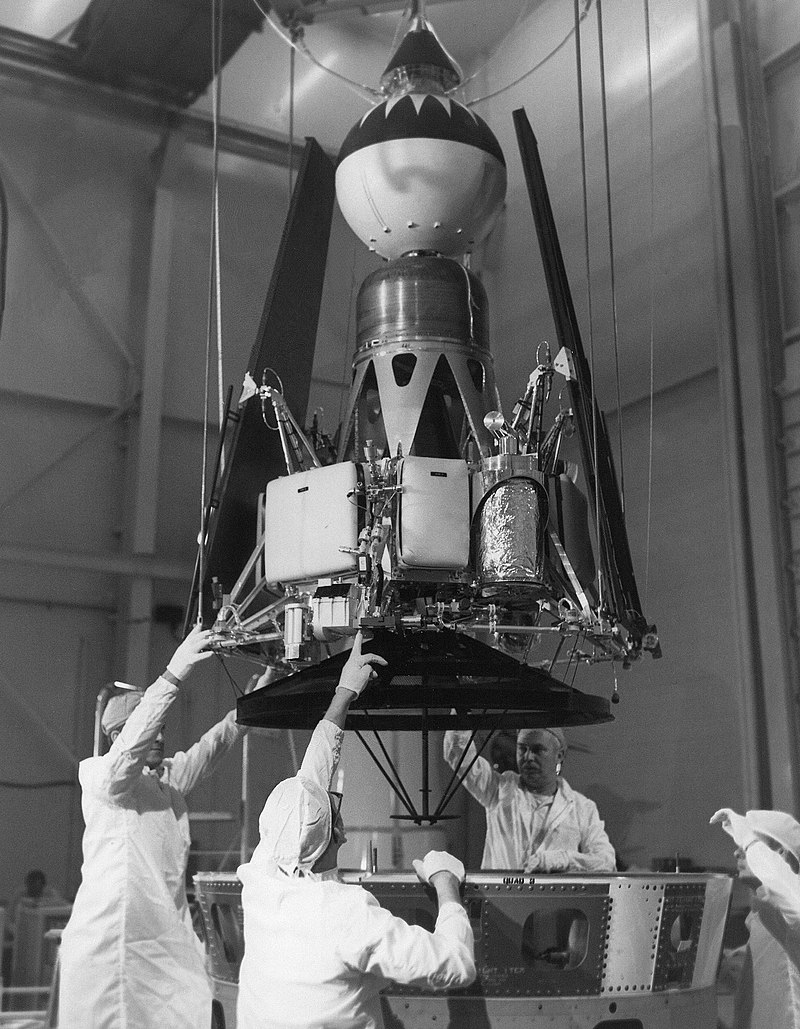
First spacecraft to impact far side of Moon
United States of America
Space Exploration
NASA Missions
Lunar Studies
3 min read
Updated By: History Editorial Network (HEN)
Published:
Updated:
NASA's Ranger 4 was the first spacecraft to successfully impact the far side of the Moon. This mission marked a pivotal moment in lunar exploration, as it provided valuable data about an area of the Moon that had not been observed directly before. The far side of the Moon, often referred to as the 'dark side,' is not visible from Earth due to the Moon's synchronous rotation. Ranger 4's impact was significant as it demonstrated the capability of spacecraft to reach and study this previously inaccessible region. The mission aimed to gather information about the Moon's surface and its geological features, contributing to the understanding of lunar formation and evolution. The data collected from Ranger 4's impact helped pave the way for future lunar missions and exploration efforts, enhancing scientific knowledge about the Moon's composition and environment. This mission was part of a broader effort during the space race, where both the United States and the Soviet Union were competing to achieve significant milestones in space exploration. The success of Ranger 4 underscored the importance of robotic missions in expanding humanity's reach into space and laid the groundwork for subsequent missions that would further explore the Moon and beyond.
#mooflife
#MomentOfLife
#Ranger4
#MoonExploration
#SpacecraftImpact
#LunarMissions
#Nasa
Primary Reference
Ranger 4

Explore the Life Moments of
 AI Twin